
Actor’s promotional appearance in the UK ignites debate over evolving fashion norms in Pakistan’s entertainment industry
Pakistani actor Dananeer Mobeen has found herself at the center of a social media storm after her latest promotional appearance for the upcoming film Mera Lyari drew sharp criticism, highlighting the ongoing cultural tug-of-war over fashion and public image in the entertainment industry.
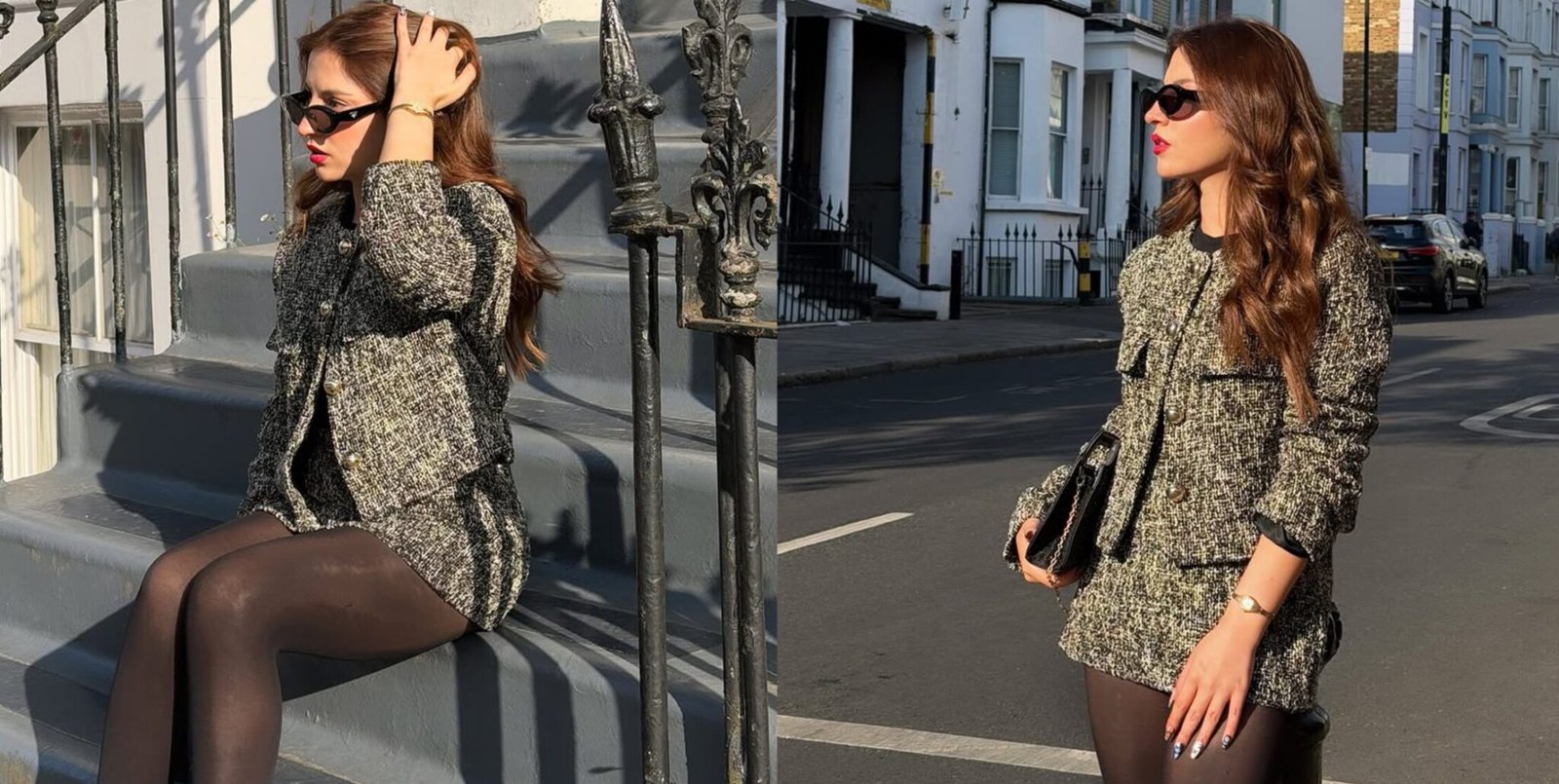
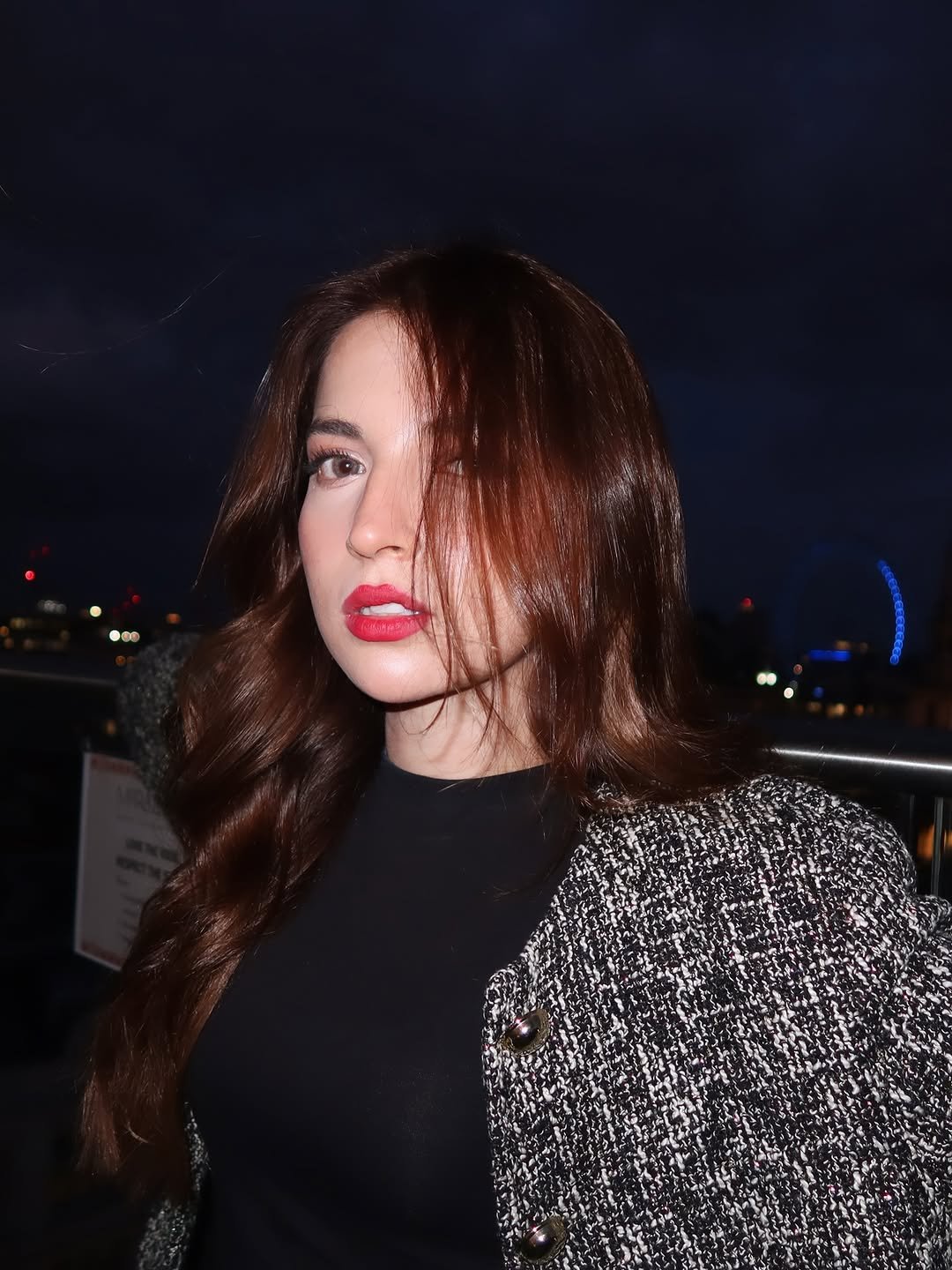
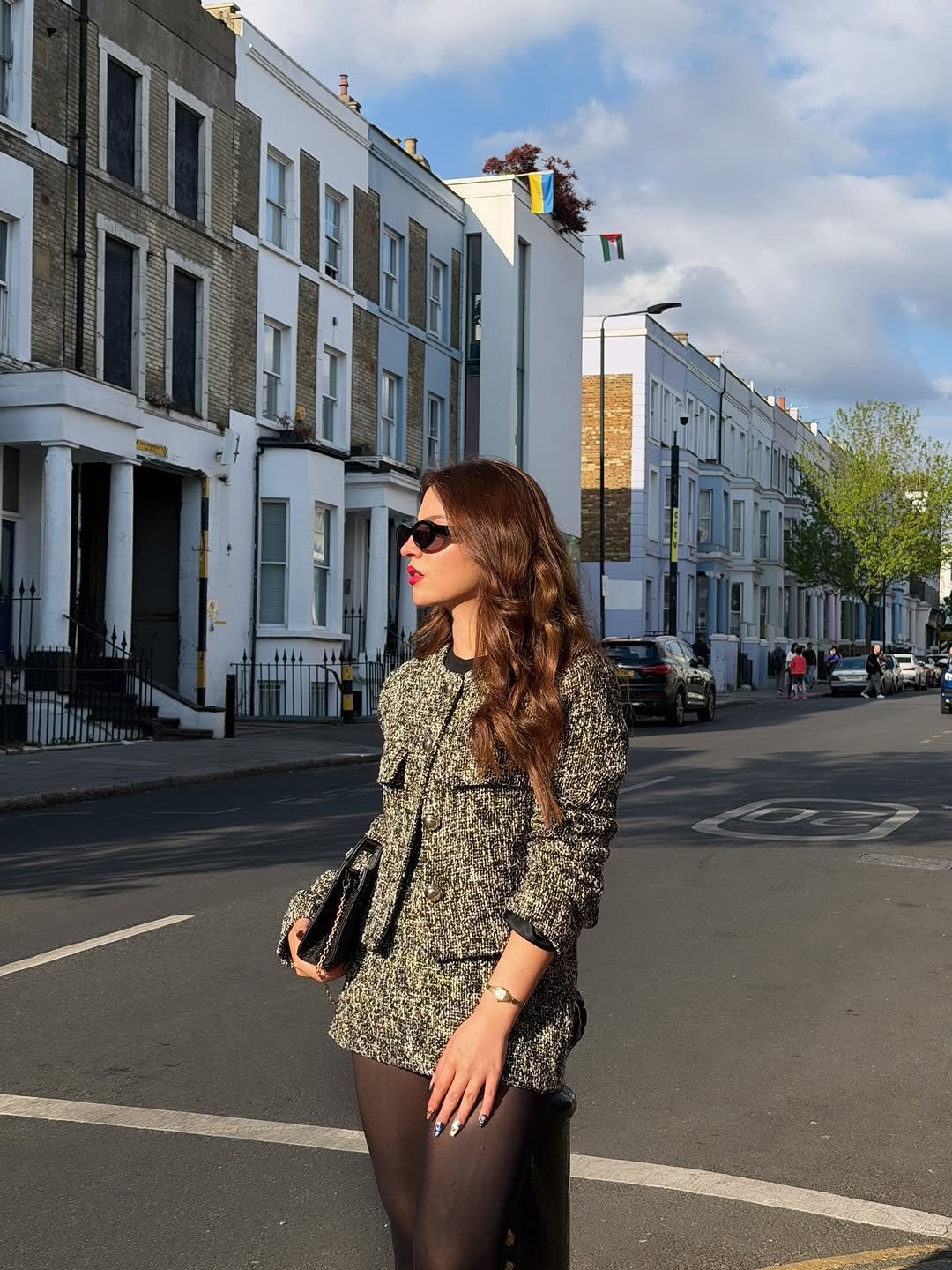
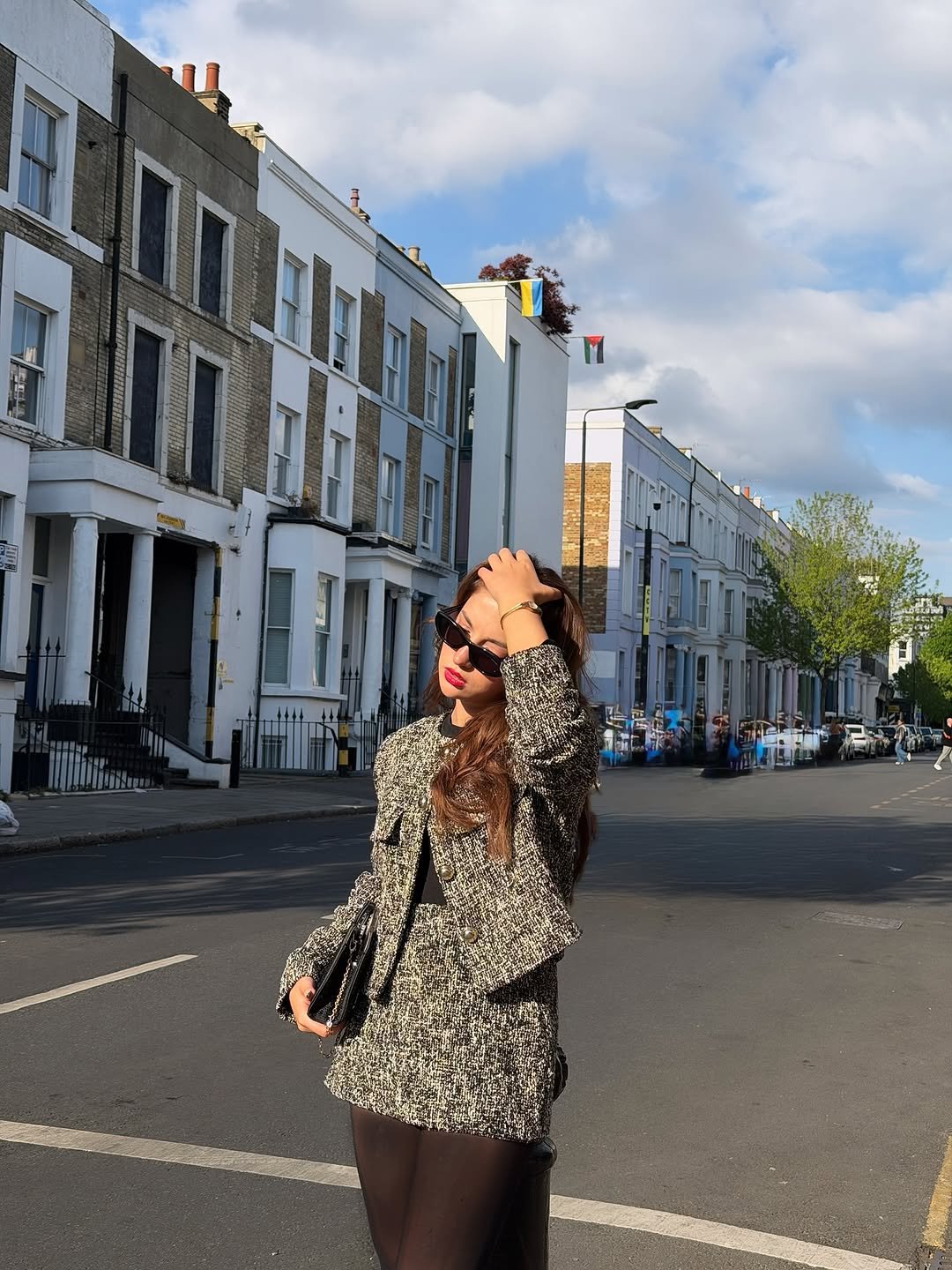
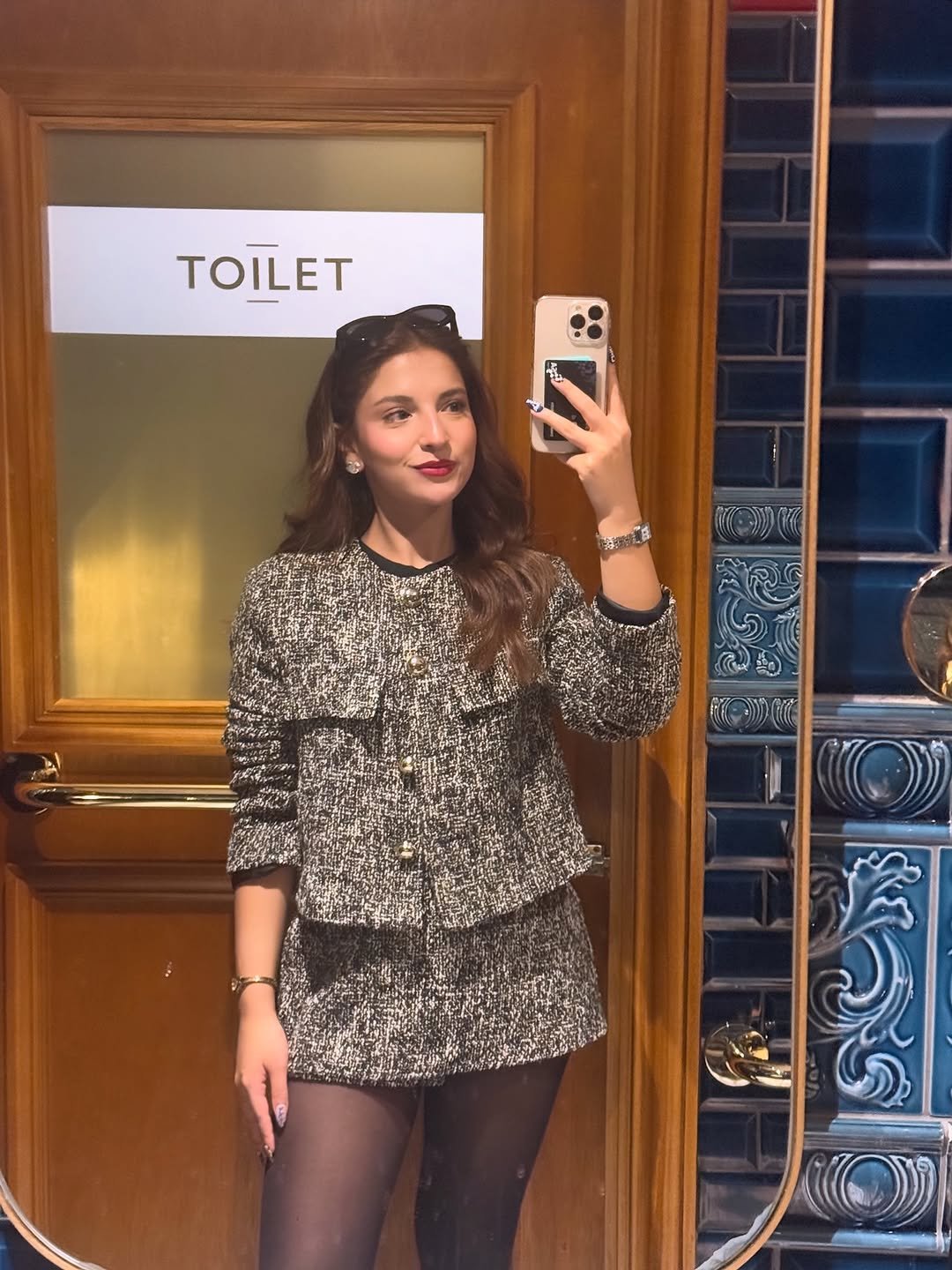
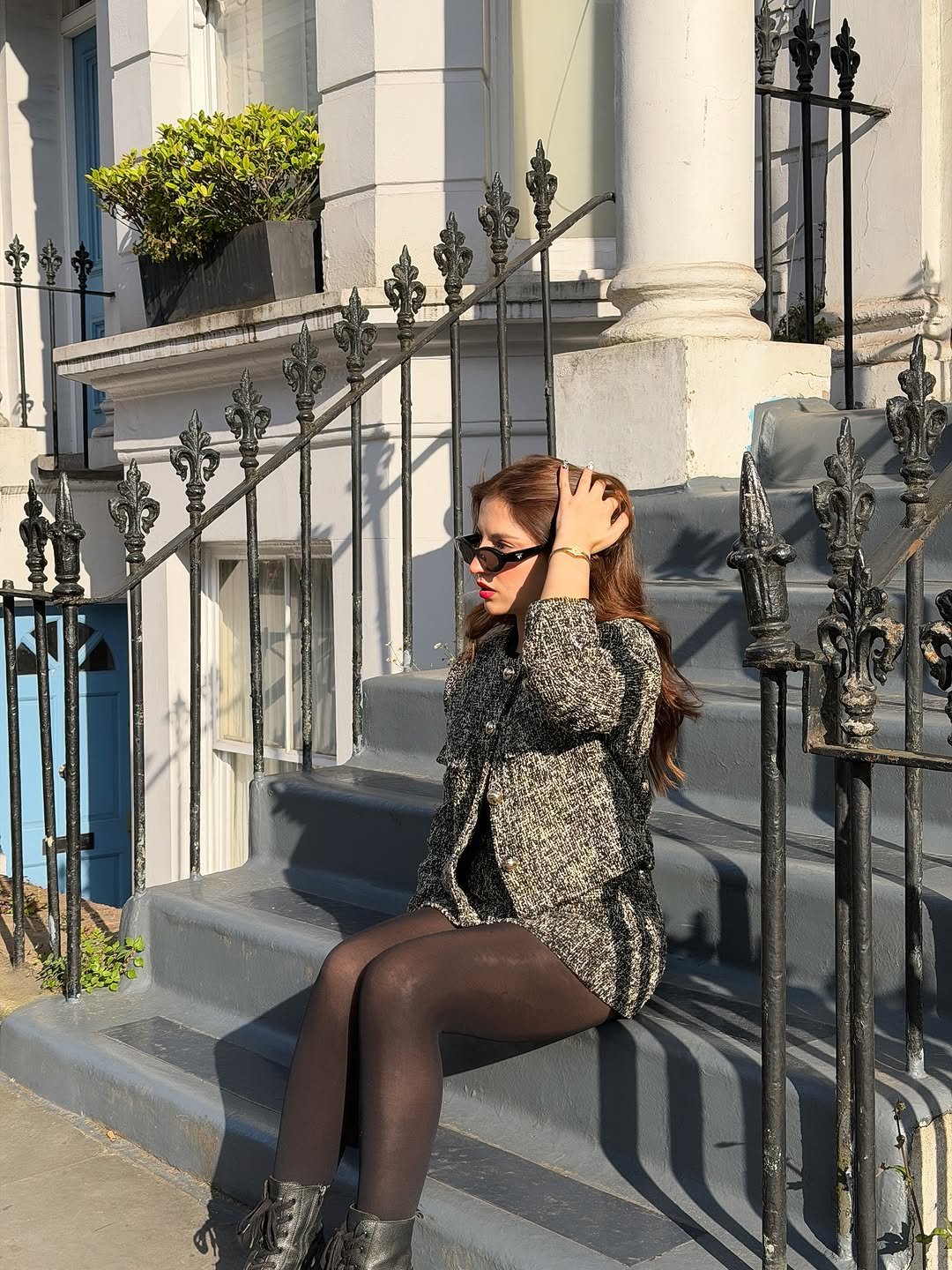
Currently in the United Kingdom promoting the sports drama set in Karachi’s Lyari neighborhood, Mobeen unveiled a second look that quickly went viral. She wore a two-piece grey tweed outfit featuring a structured jacket paired with a matching mini skirt, complemented by black sheer tights—a style often associated with contemporary Western fashion trends and global high-street brands.
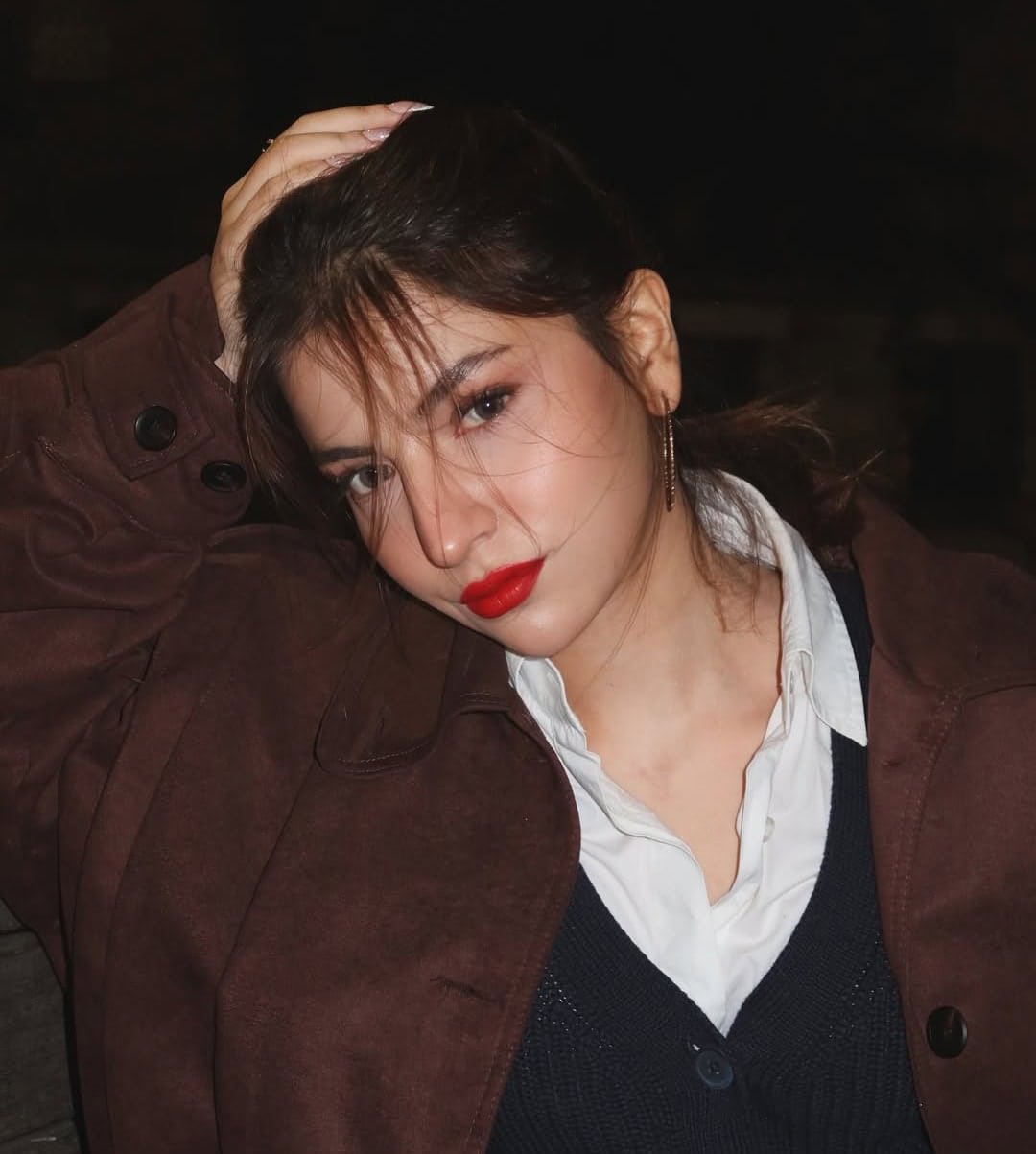
While the look aligned with international fashion aesthetics, it did not sit well with a segment of her audience back home. Social media platforms were flooded with critical remarks, with some users questioning the actor’s wardrobe choices. Comments ranged from disappointment to outright condemnation, reflecting a broader discomfort among conservative viewers regarding bold fashion statements by public figures.
The backlash comes at a crucial time for Mera Lyari, a film written and directed by Abu Aleeha and produced by Waqas Hassan Rizvi and Sania Sohail, with actor Ayesha Omar serving as executive producer. The film features an ensemble cast including Ayesha Omar, Samiya Mumtaz, Nayyar Ejaz, Trinette Lucas, Paras Masroor, Adnan Shah Tipu, and Shoaib Hassan. Scheduled for nationwide release on May 8, 2026, the film aims to spotlight Lyari’s vibrant youth and untapped talent.
Despite the criticism, some industry observers note that such debates are not new. Pakistani celebrities often face scrutiny when adopting globally influenced fashion, especially during international promotions. Supporters argue that evolving style choices reflect personal freedom and the globalization of fashion, while critics see them as a departure from cultural norms.
Mobeen, who has previously earned praise for her candid remarks about skin imperfections and natural beauty, has yet to publicly respond to the criticism. However, the ongoing conversation underscores the intense public gaze faced by celebrities, particularly women, as they navigate identity, expression, and societal expectations.
As Mera Lyari approaches its release, the controversy surrounding its lead actor’s wardrobe has inadvertently amplified attention on the film—proving once again that in the digital age, visibility often comes with both praise and backlash.
About The Author