

Rising demand during Eid ul-Fitr and escalating jet fuel prices drive airfare increases, while global airline losses deepen amid geopolitical tensions
Airfares for domestic and international travel have risen significantly during the Eid ul-Fitr holiday season, as increased demand and higher fuel costs push ticket prices upward, according to media reports.
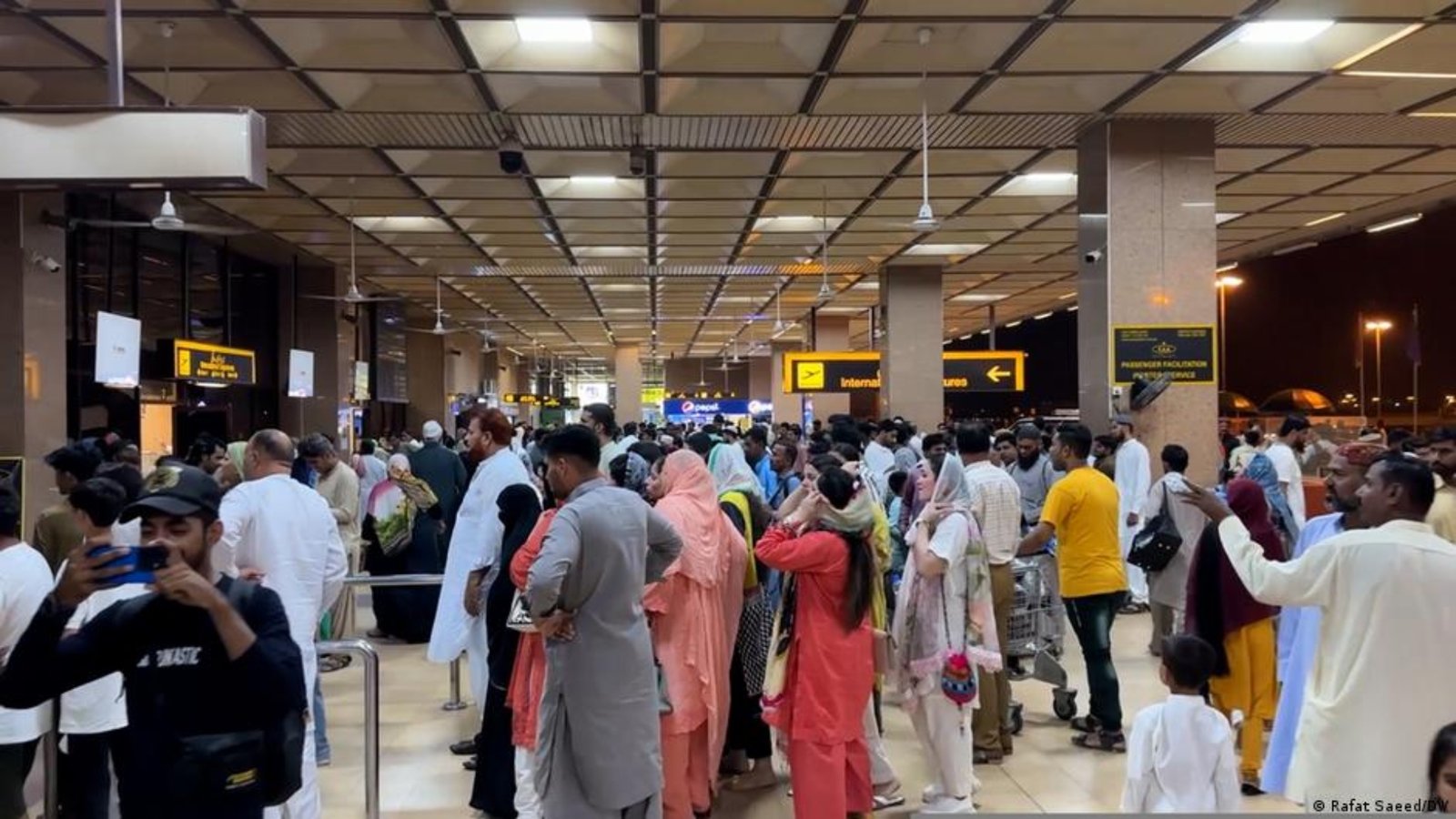
Fares on domestic routes a day before Eid were reported to be 15% to 20% higher compared to regular rates, with some passengers paying up to 30% more for last-minute bookings. Industry sources attributed the surge to peak seasonal demand and a recent increase in jet fuel prices.
While domestic air travel demand showed signs of decline among local passengers, there was a noticeable rise in inbound travel as overseas Pakistanis returned home to celebrate Eid with their families. Airlines also increased flight frequencies on Middle Eastern routes to accommodate travelers returning from Gulf countries.
International carriers operating in the region expanded services to manage passenger flow during the holiday period, particularly for expatriates traveling back to South Asia.
Separately, the Financial Times reported that the world’s 20 largest airlines have suffered losses of approximately $53 billion amid ongoing conflict-related disruptions. The report highlighted that geopolitical tensions have significantly impacted Gulf aviation hubs and flight operations, leading to widespread scheduling disruptions.
The newspaper noted that the airline industry, still recovering from the COVID-19 pandemic, is now facing renewed financial pressure. Analysts warn that jet fuel prices have nearly doubled since the onset of recent conflicts, increasing operational costs and putting further upward pressure on airfares globally. Continued instability could lead to sustained fare increases and additional strain on the aviation sector.
About The Author