
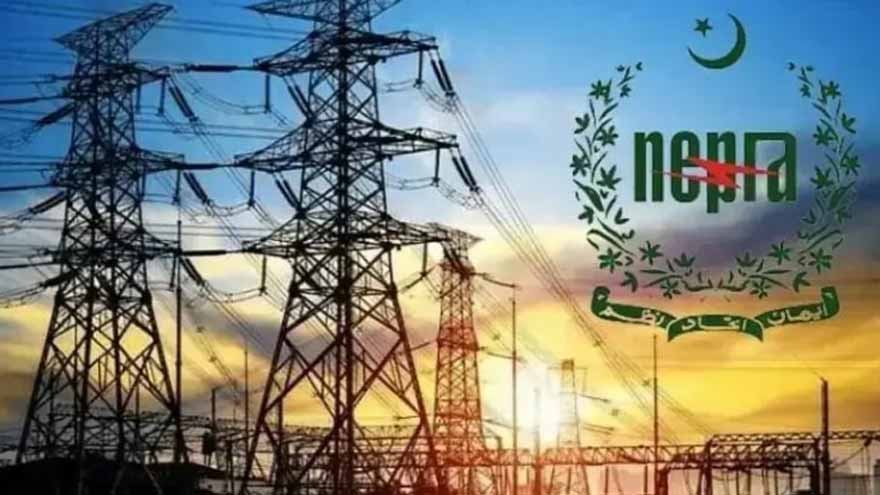

Nepra has reserved its decision on a request to recover around Rs34 billion from electricity consumers through the quarterly tariff adjustment mechanism.
ISLAMABAD: Electricity consumers could face higher bills in the coming months as the National Electric Power Regulatory Authority (Nepra) reviews a proposal to recover additional power-sector costs through the quarterly tariff adjustment mechanism.
Distribution companies have requested permission to pass on around Rs34 billion in additional costs to consumers. Under the proposal, the electricity tariff could increase by approximately Rs1.34 per unit per month for three months if the regulator approves the request.
Nepra has reserved its decision after reviewing the request and related financial information. The proposed increase, however, has not yet been approved and should not be treated as a final electricity tariff hike.
The quarterly tariff adjustment mechanism is designed to account for changes in costs incurred by power distribution companies and other factors affecting the electricity supply chain. Such adjustments can include variations in generation-related expenses and other costs that emerge during a quarter.
Once the regulator reviews the financial data submitted by distribution companies, it can approve the requested adjustment in full, allow only part of it or reject the proposal.
If the Rs1.34 per-unit increase is approved for the proposed three-month period, consumers would see an additional charge reflected in their electricity bills during the applicable months. The final impact will depend on Nepra’s decision and the exact amount ultimately allowed for recovery.
The proposed adjustment comes at a time when electricity costs remain a major concern for households and businesses, particularly for consumers already facing high monthly bills. Any additional quarterly adjustment could increase the financial pressure on power users.
Nepra’s final decision is therefore expected to determine whether the requested Rs34 billion will be recovered from consumers and, if so, how much of the proposed burden will be passed on.
About The Author