
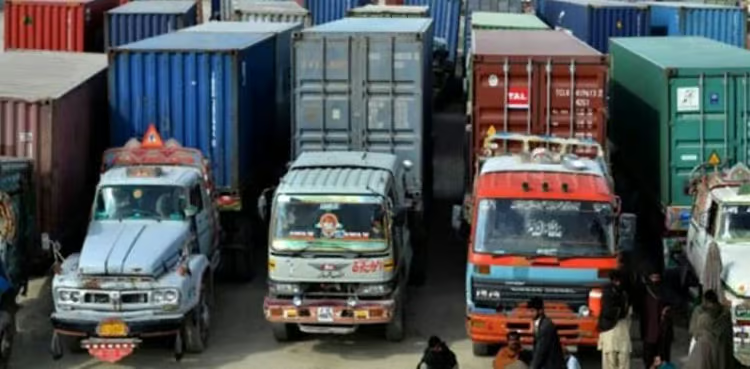

All Pakistan Goods Transport Alliance cites rising fuel and operating costs, urges the government to reverse daily petroleum price changes.
The All Pakistan Goods Transport Alliance has announced a 5% increase in goods transport freight rates, citing repeated increases in petrol and diesel prices and rising operating costs.
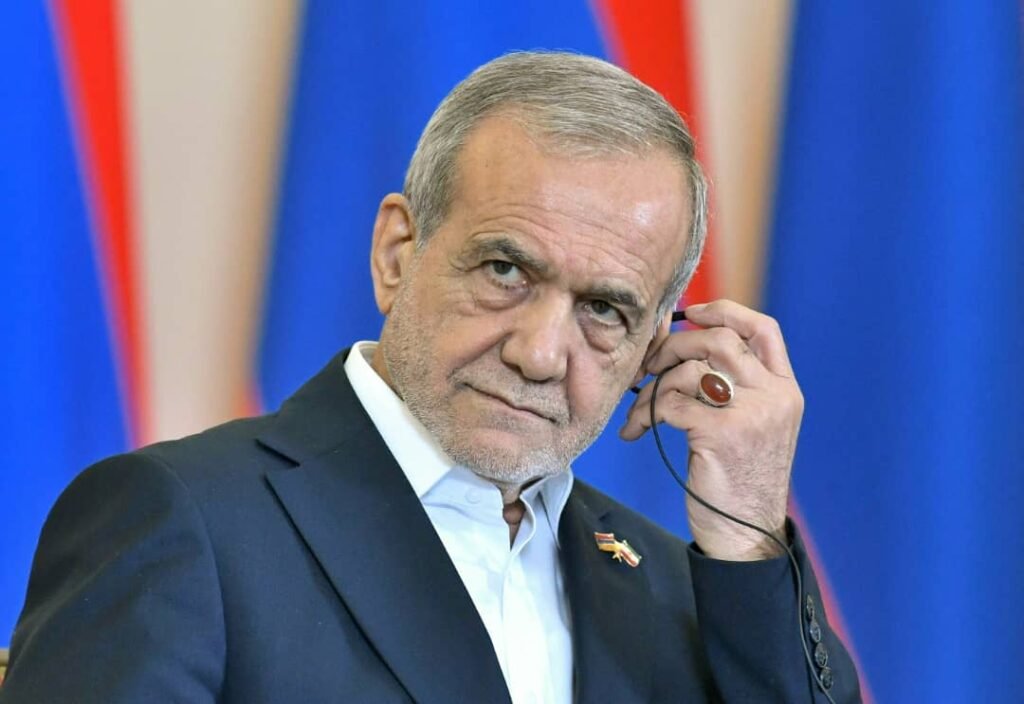
Alliance President Malik Shehzad Awan expressed concern over the continued increase in petroleum prices, saying higher fuel costs have made it increasingly difficult for transporters to operate at existing freight rates.
Awan criticized the government’s decision to change petroleum prices on a daily basis, saying the policy was affecting transporters, businesses and the general public. He urged the petroleum minister to review the policy and immediately withdraw the decision to revise fuel prices daily.
The transporters’ representative said they did not want to change freight rates every day in response to fluctuations in petrol and diesel prices. However, he said maintaining stable freight rates would become difficult if fuel prices continued to change on a daily basis.
Strike could resume
Awan said goods transporters had staged a nationwide strike in August, during which the petroleum minister assured them that petroleum prices would not be changed on a daily basis.
Following the government’s assurance, transporters postponed their nationwide strike for 40 days. Awan said that if significant progress was not made on their demands during that period, transporters could consider resuming the nationwide strike.
He called on the federal and provincial governments to implement agreements and commitments made with goods transporters, warning that the alliance would announce its future course of action if progress remained insufficient.
Claim of sharp fuel price increases
Awan claimed that diesel prices had increased by Rs. 23 per liter, while petrol prices had risen by Rs. 25 per liter over the previous 18 days.
He said diesel was a major component of goods transportation costs and that higher fuel prices directly increased transportation expenses. Vehicle maintenance, drivers’ wages and other operational costs also added to the financial burden on transporters, he said.
According to Awan, the government has accepted some of the transporters’ demands and implementation is underway, but most demands remain pending.
He also called for the immediate implementation of commitments made by federal and provincial authorities during nationwide strikes held in December and August.
Potential impact on essential goods
Goods transporters said fluctuations in petroleum prices affect more than the transport sector because freight costs are linked to the movement of food, vegetables, fruits, construction materials, industrial raw materials and other essential goods across the country.
They warned that higher freight charges could increase business costs, with the impact potentially being passed on to consumers.
Awan urged the government to withdraw the policy of daily petroleum price changes, fulfill its commitments to transporters and provide immediate relief to the sector.
He warned that failure to address transporters’ concerns could lead to renewed nationwide protests, including the resumption of the postponed strike.
About The Author