

Provincial leadership pushes for data-driven coordination, transparency, and unified action in KP’s evolving healthcare landscape.
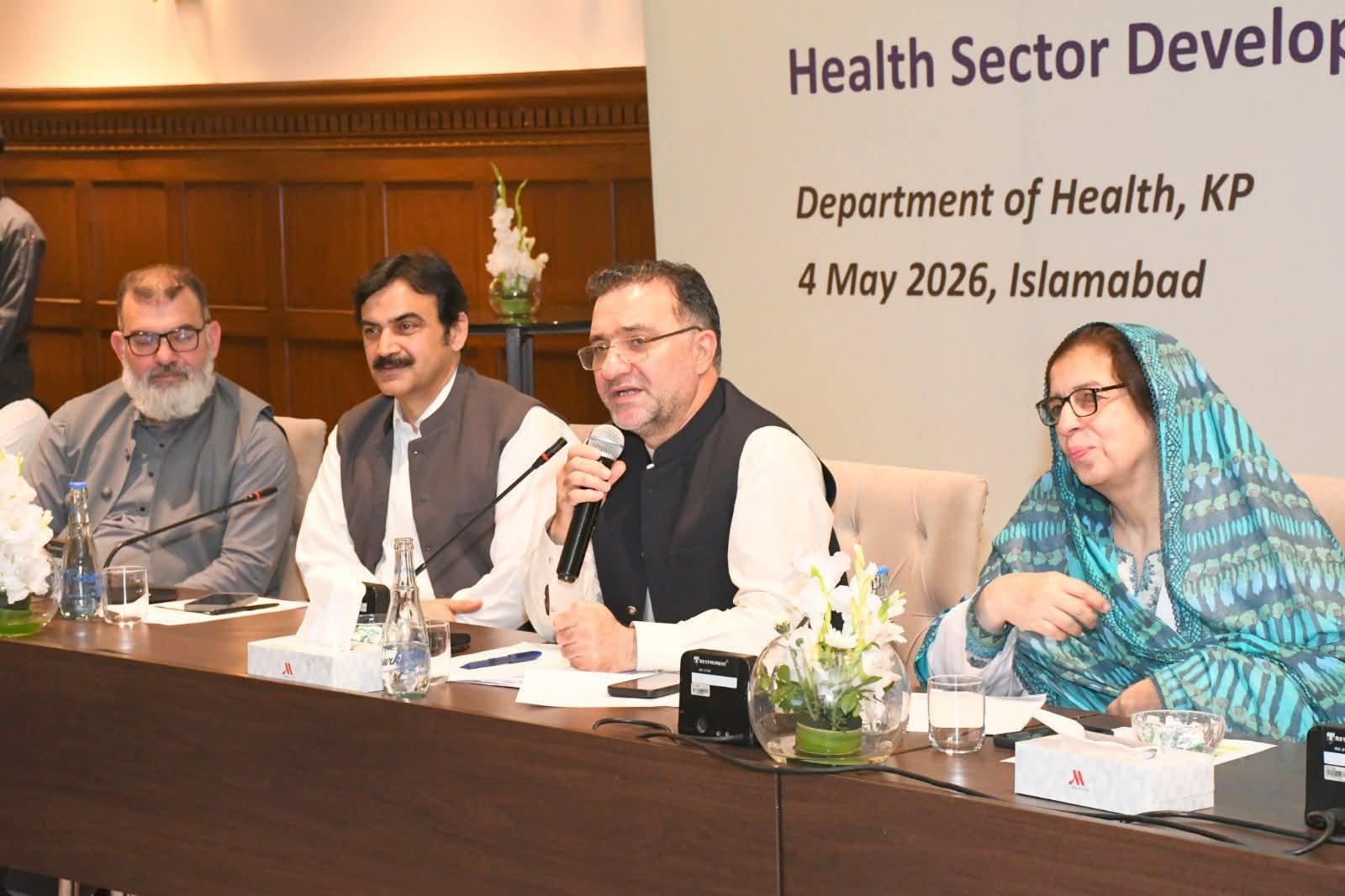
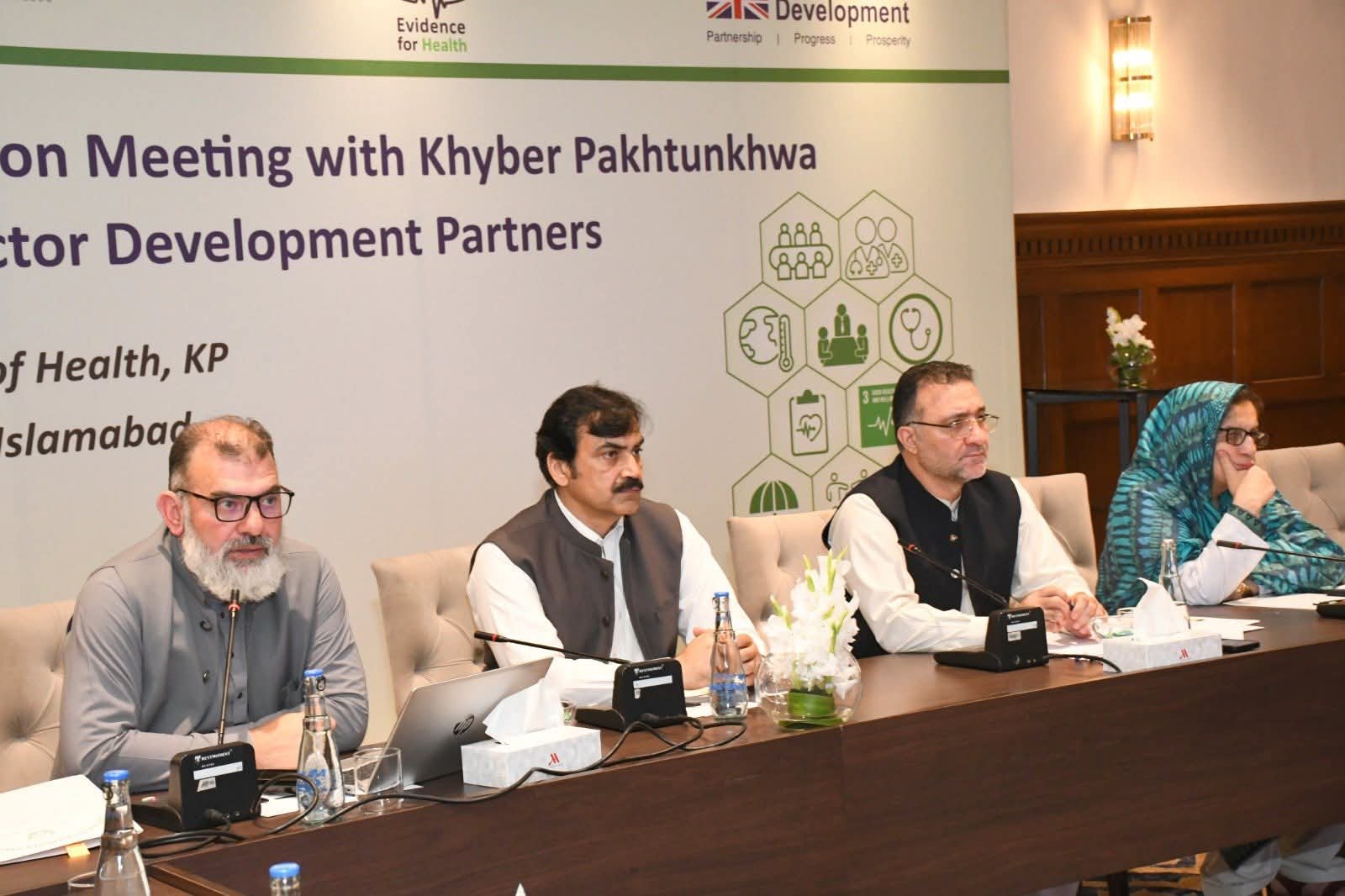
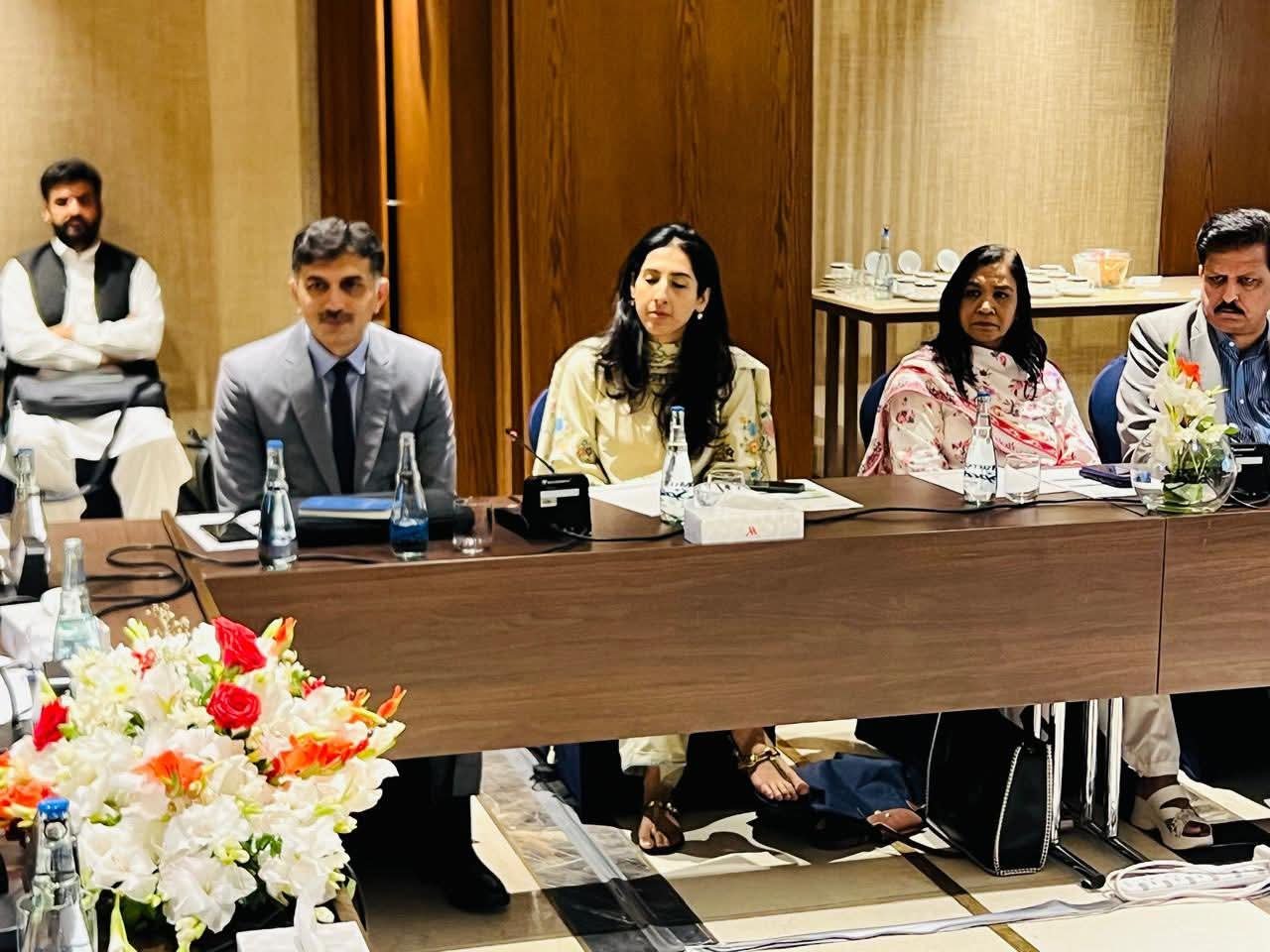
A high-level coordination meeting between the Health Department and development partners has set the stage for a more centralized and data-driven healthcare strategy in Khyber Pakhtunkhwa, as officials move to address long-standing gaps in planning, monitoring, and service delivery.
The meeting, held in Islamabad and chaired by Provincial Health Minister Khaliq ur Rehman, brought together senior health officials including Secretary Health Shahidullah Khan, Director General Health Dr. Shahin Afridi, Chief HSRU Dr. Ijaz, and representatives from multiple development organizations working across the province’s health sector.
Opening the session, the Secretary Health outlined the objectives of the coordination forum, emphasizing the need to strengthen alignment between government structures and partner organizations. He highlighted that the key focus was to evaluate ongoing interventions and build a unified framework for future health sector planning.
Development partners delivered detailed presentations on their current initiatives across various districts of the province. These included programs focused on primary healthcare, maternal and child health, nutrition, infectious and non-infectious disease control, emergency response systems, and institutional capacity building within the health sector.
Officials were also briefed on advancements in digital health systems, data management frameworks, human resource training, and improved service delivery mechanisms for remote and underserved areas. However, presentations also revealed persistent challenges, including resource limitations, difficult terrain, and access barriers in far-flung regions.
Addressing the meeting, Health Minister Khaliq ur Rehman praised the contributions of all partner organizations and underscored their critical role in improving healthcare outcomes across the province. He directed all stakeholders to regularly share verified and up-to-date data with the Chief HSRU to help establish a centralized health database.
“We must move toward data-driven decision-making in the health sector,” the minister said. “Bringing all activities onto a single platform will not only ensure transparency but also improve efficiency and help us utilize resources more effectively.”
He further instructed development partners to align their programs with provincial priorities and district-level needs to avoid duplication of efforts. Strengthening monitoring and evaluation systems, he added, was essential for assessing the real impact of ongoing projects.
Reaffirming the government’s commitment, the minister said the province was determined to build a modern, transparent, and reform-oriented healthcare system through continued collaboration with all partners. Special emphasis was placed on expanding basic health services in remote and underdeveloped areas.
Participants agreed to institutionalize such coordination meetings in the future to ensure consistent progress tracking and timely resolution of operational challenges. The session concluded with a shared commitment to enhance collaboration for a stronger, more efficient, and citizen-focused healthcare system in the province.
About The Author