
Missile strikes on Ras Laffan spark fears of supply disruptions and wider regional conflict
WEB DESK: A major escalation in the Middle East has rattled global energy markets after Iran launched two waves of ballistic missile strikes targeting Qatar’s key gas facilities.
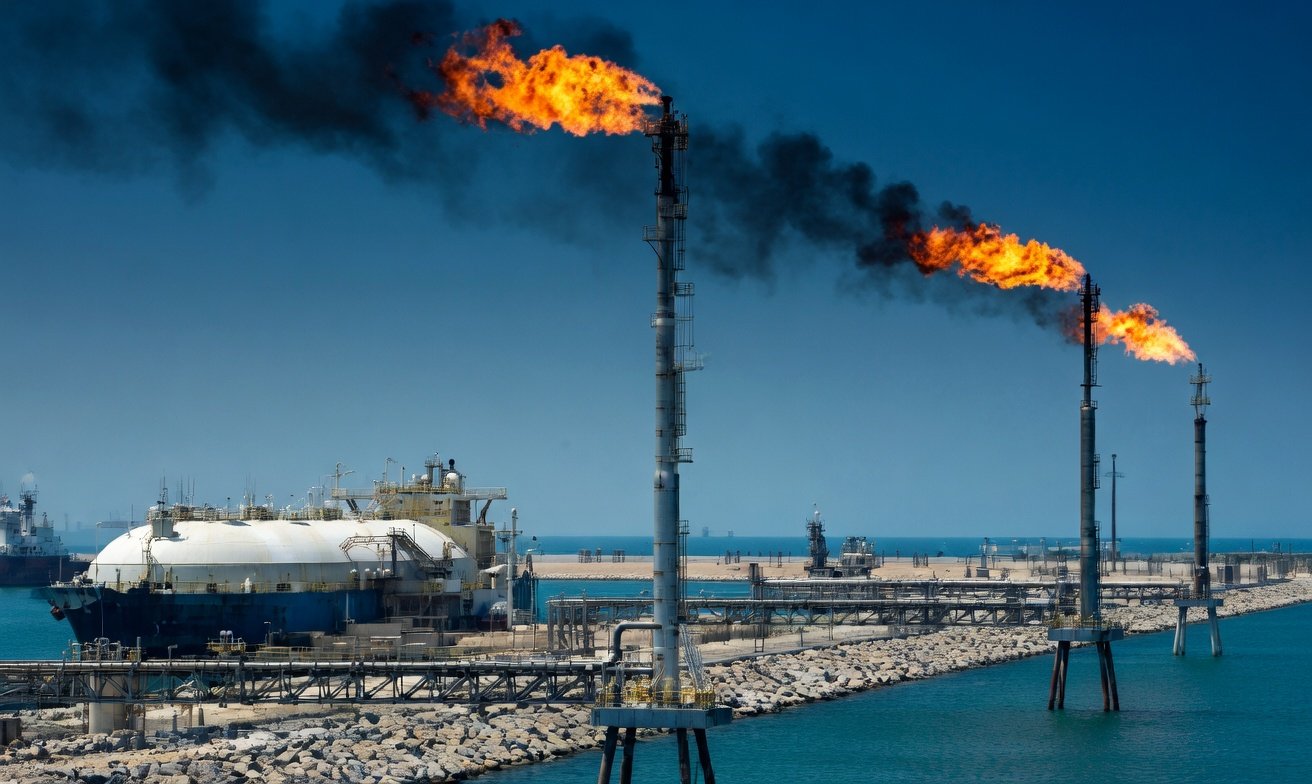
The strikes hit Ras Laffan Industrial City, one of the world’s largest liquefied natural gas hubs, late March 18 and early March 19. The facility, operated by QatarEnergy, is central to nearly one-fifth of global LNG supply.
Qatari authorities confirmed no casualties, citing swift evacuations and emergency protocols. However, officials reported “extensive damage,” particularly to the Pearl Gas-to-Liquids plant and major storage infrastructure. Fires from the impact were visible from more than 30 kilometers, though emergency crews have since contained the blaze.
The disruption has sent shockwaves through international markets, with buyers in Europe and Asia scrambling to secure alternative supplies amid fears of prolonged outages.
The attack marks a serious breach of sovereignty by Iran and raises concerns about broader regional instability. In response, Qatar expelled Iranian military attachés and demanded their immediate departure.
The United States warned of “massive” consequences if further energy infrastructure is targeted. Analysts also caution that any disruption to the Strait of Hormuz could trigger a wider energy crisis.
As tensions rise, global markets remain on edge over supply chain resilience and the risk of further escalation.
About The Author