
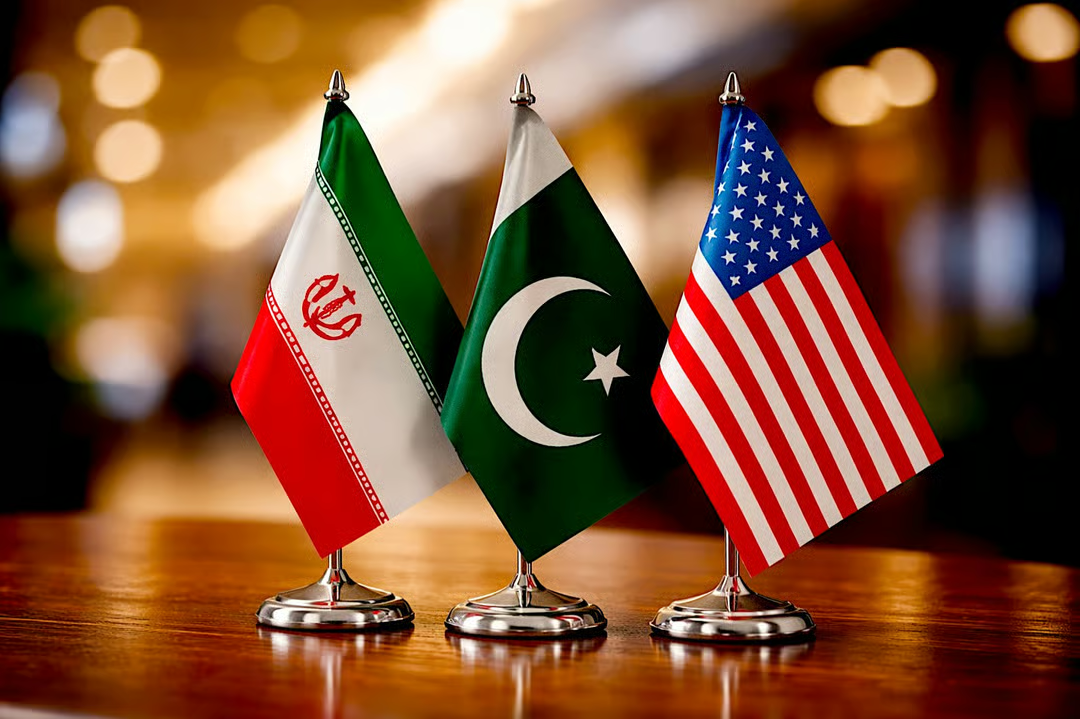

Pakistan is seeking more time for diplomacy as Iran says no talks are underway with Washington to extend the current ceasefire.
The fragile ceasefire between the United States and Iran is facing fresh uncertainty, with Tehran denying that any discussions are taking place with Washington over extending the truce beyond its scheduled expiry on Aug. 16.
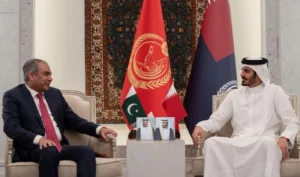
Pakistan is continuing diplomatic efforts to prevent the ceasefire from collapsing. Sources said Islamabad is seeking to use the understanding reached under the Islamabad Memorandum of Understanding to encourage both Washington and Tehran to maintain the pause in hostilities and return to negotiations.
Mediators believe additional time could be necessary to narrow differences between the two sides. Pakistan’s efforts are therefore focused on keeping diplomatic channels open and preventing the situation from deteriorating once the current ceasefire period ends.
An Iranian senior official, however, offered a contrasting assessment, saying Iran and the United States have not held discussions about extending the ceasefire. Tehran has maintained that Washington must return to its commitments under the existing agreement and provide a clear and credible timeline for fulfilling them.
The dispute comes amid continuing tensions surrounding the Strait of Hormuz, a vital international shipping route and major corridor for global energy supplies. Any prolonged disruption could affect oil and gas markets as well as international trade.
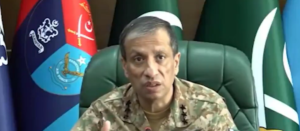
Iranian military officials have also warned that renewed US military action could trigger a broader confrontation, with critical energy and infrastructure networks potentially exposed to attacks.
Meanwhile, regional diplomatic activity continues. Turkish President Recep Tayyip Erdogan has expressed hope that additional countries will join the Makkah Defence Agreement, potentially broadening regional security cooperation.
The maritime situation remains another major concern. US Central Command said a Panama-flagged cargo vessel attempting to breach the naval blockade was disabled after a US helicopter fired a missile at it.
Japan is also closely monitoring developments. Prime Minister Sanae Takaichi has discussed the crisis with Iranian President Masoud Pezeshkian and called for the Strait of Hormuz to be reopened once successful negotiations between Iran and the United States are concluded. Japan has previously urged Iran to ensure safe passage for vessels through the strategic waterway.
About The Author