
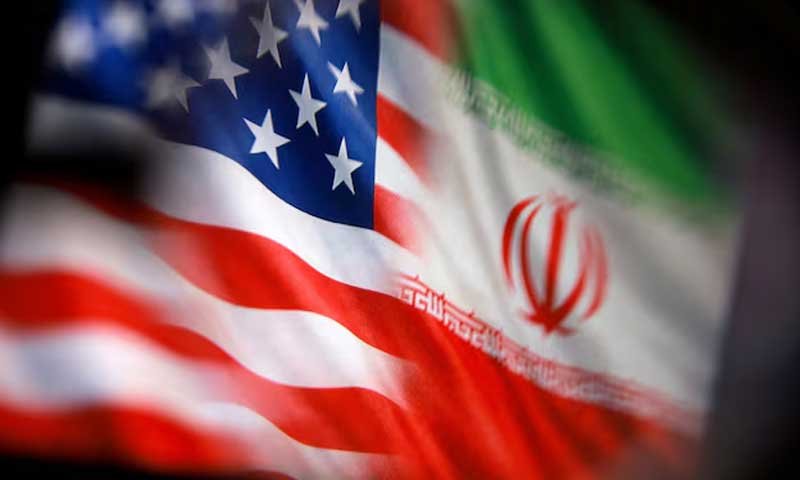

Preliminary Iran-US framework agreement raises hopes for lasting peace, restores key shipping routes, and opens the door to difficult negotiations over Tehran’s nuclear programme.
A major diplomatic breakthrough has emerged in the Middle East after Iran and the United States reached a preliminary framework agreement aimed at ending months of conflict that destabilized the region and disrupted global energy markets.
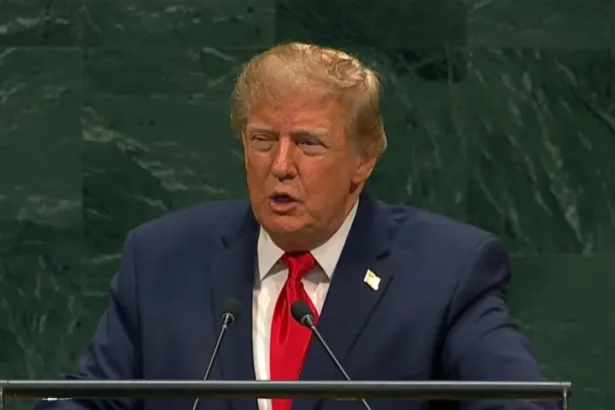
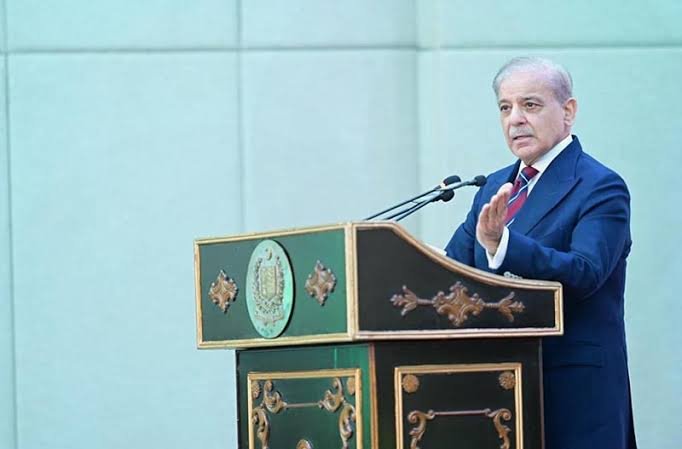
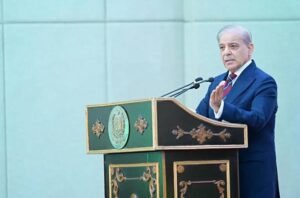
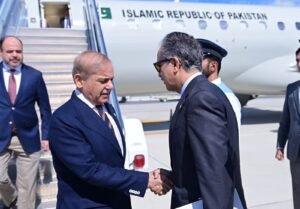
The announcement, made by US President Donald Trump and confirmed by Pakistani Prime Minister Shehbaz Sharif, marks the first significant step toward a broader peace settlement. The agreement is expected to halt military operations across multiple fronts, including Lebanon, while paving the way for further negotiations on unresolved issues.
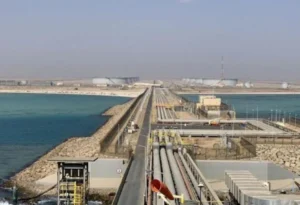
One of the most immediate outcomes of the deal is the planned reopening of the Strait of Hormuz, a critical global shipping route for oil and gas exports. The United States has also signaled an end to restrictions on Iranian ports. Financial markets reacted positively, with oil prices falling sharply and Asian stock indexes moving higher.
Despite the breakthrough, key disputes remain unresolved. Negotiators are expected to spend the next 60 days discussing sanctions relief, Iran’s nuclear activities, and the future of Tehran’s enriched uranium stockpile. These issues have long been at the center of tensions between Washington and Tehran.
The conflict, which began earlier this year, resulted in thousands of casualties across the region and intensified pressure on political leaders. While European governments welcomed the agreement, they stressed that any long-term settlement must include strict and verifiable limits on Iran’s nuclear programme.
About The Author