

Israel’s refusal to withdraw forces from southern Lebanon has emerged as a major challenge to a fragile US-Iran peace accord, while Secretary of State Marco Rubio seeks to reassure nervous regional allies.
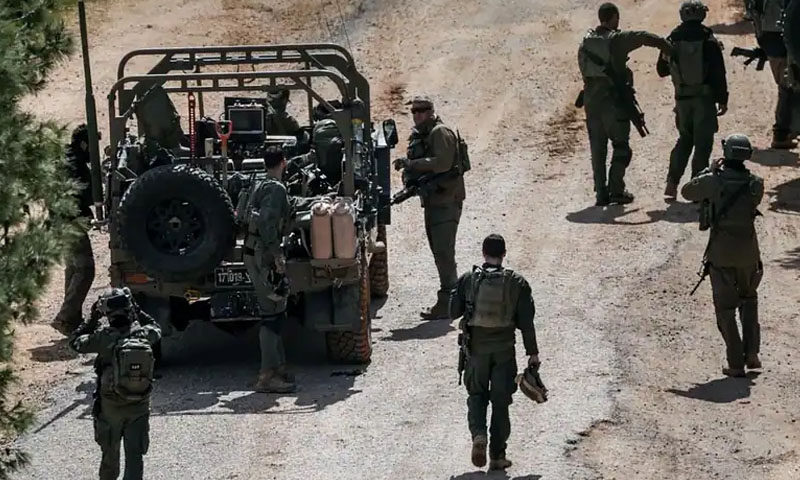
Israel has reaffirmed that its troops will remain in southern Lebanon, creating fresh uncertainty around a recently announced US-Iran peace accord aimed at ending months of conflict across the Middle East.
Speaking at a conference in Tel Aviv on Wednesday, Israeli Defence Minister Israel Katz said there was no current American demand for Israel to leave southern Lebanon. He described the continued military presence as a political achievement and stressed that Israeli forces would maintain a security zone designed to protect communities in northern Israel.
The stance complicates ongoing diplomatic efforts. Lebanon and Israel are discussing a US-backed proposal that would see Israeli troops withdraw from parts of the territory captured during the conflict and transfer control to the Lebanese army. Iran has repeatedly linked any broader peace arrangement to an end to hostilities in Lebanon.
Iranian Parliament Speaker Mohammad Baqer Qalibaf reiterated that a ceasefire in Lebanon remains a key priority for Tehran, placing additional pressure on negotiators attempting to finalize a lasting agreement.
Meanwhile, US Secretary of State Marco Rubio is touring Gulf nations, including the United Arab Emirates, Kuwait and Bahrain, to ease concerns among regional partners who believe the proposed accord grants significant concessions to Iran. Debate continues over sanctions relief, financial incentives and future oversight of Iran’s nuclear activities.
Questions also remain over the future management of the Strait of Hormuz, a vital global energy corridor. While shipping traffic has resumed and oil prices have eased, Gulf states and Iran are still discussing long-term arrangements for navigation and security.
About The Author