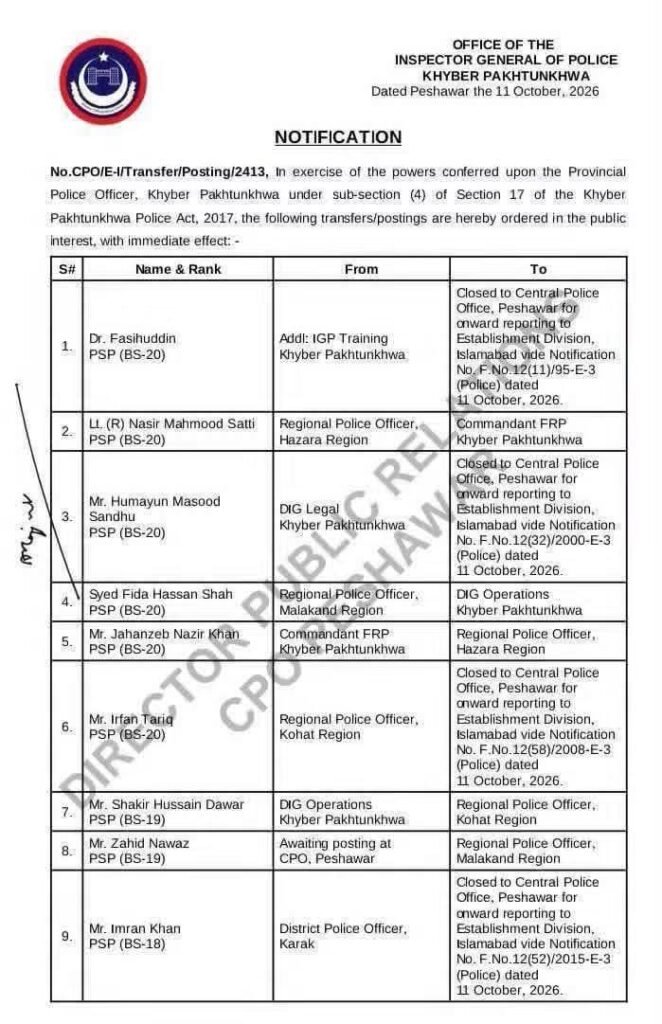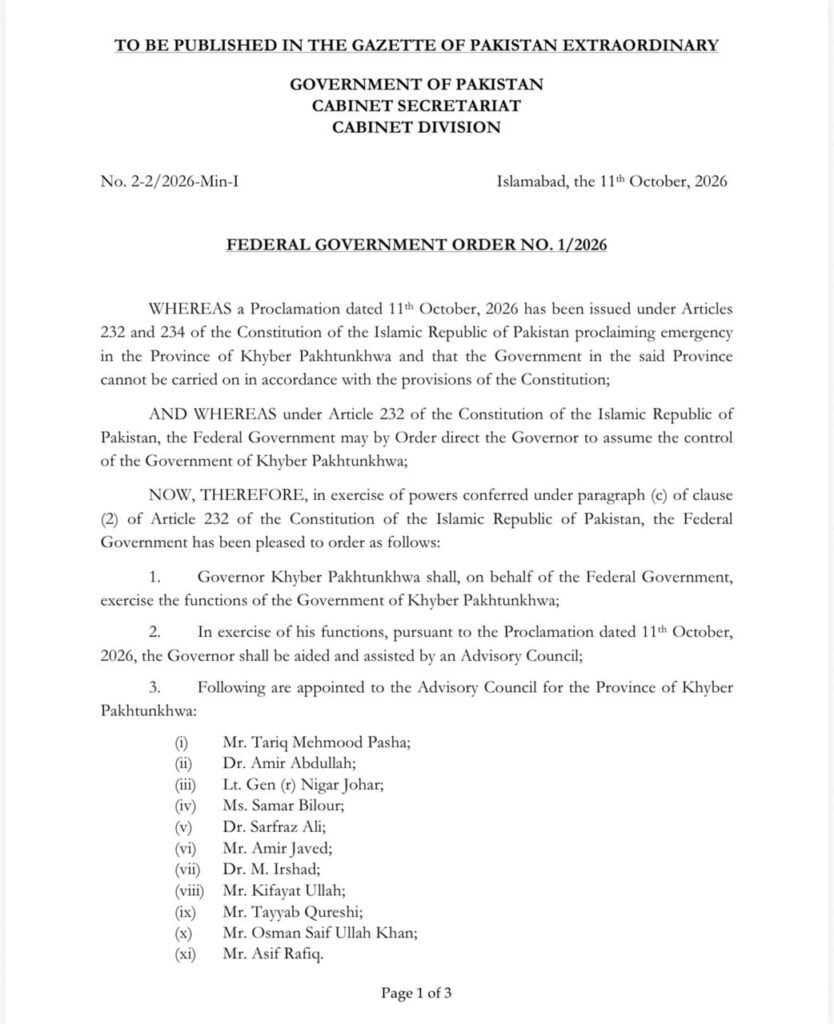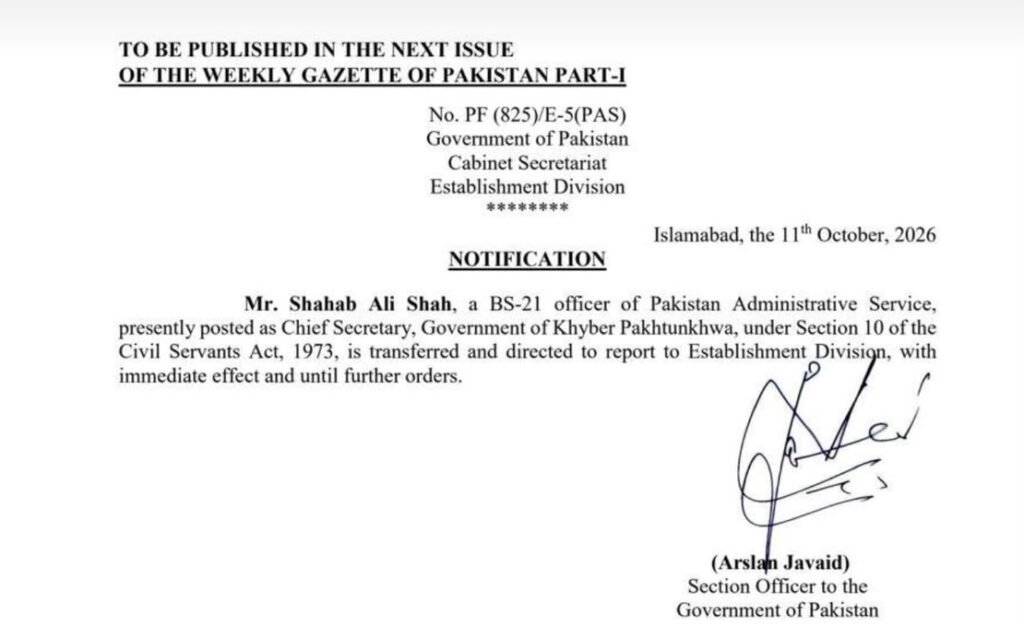

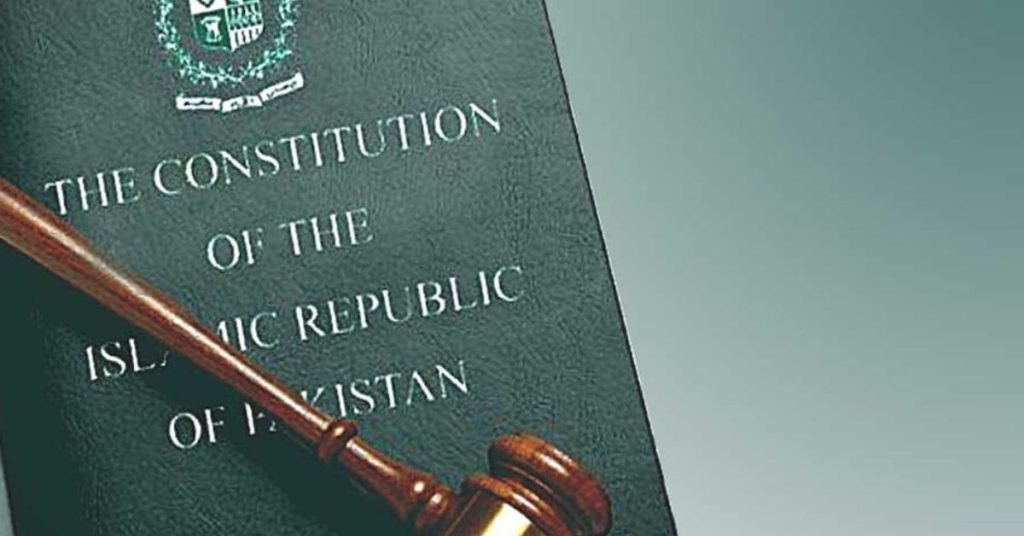

Pakistan’s Constitution sets distinct legal conditions for emergency powers under Article 232 and governor’s rule under Article 234 as concerns grow over terrorism in Khyber Pakhtunkhwa.
Pakistan’s constitutional framework provides distinct mechanisms for dealing with grave security emergencies and the failure of constitutional governance in a province. As concerns grow over terrorism in Khyber Pakhtunkhwa (KP), the legal conditions governing emergency powers under Article 232 and governor’s rule under Article 234 have come into focus.
According to Defence Minister Khawaja Asif, approximately 6,200 terrorism incidents occurred in the province over the past two years, resulting in around 1,200 deaths. The figures, as cited in the supplied material, have raised questions about security arrangements, police capacity and the possible role of the federal government in addressing the situation.
However, the number of reported incidents alone does not automatically establish the legal grounds for imposing an emergency or governor’s rule. Each constitutional provision has specific requirements that must be assessed separately.
Article 232: When Can an Emergency Be Declared?
Article 232 of Pakistan’s Constitution provides for a proclamation of emergency when the president is satisfied that a grave emergency threatens the security of Pakistan, or any part of the country, because of war, external aggression or internal disturbance beyond the control of a provincial government.
For an emergency based on internal disturbance beyond a provincial government’s control, the Constitution requires a resolution from the relevant provincial assembly. The constitutional procedure also addresses parliamentary approval where the president acts on his own initiative. These requirements must be read together when assessing the legal basis for any proposed action.
While an emergency proclamation is in force, Article 232 provides for expanded federal powers, including the authority to issue directions to a provincial government concerning the exercise of its executive authority. Parliament may also acquire additional legislative powers within the scope specified by the Constitution.
Whether the security situation in KP meets the constitutional threshold would require an assessment of relevant evidence, the provincial government’s capacity to control the disturbance and compliance with the applicable legal procedure.
Article 234: When Can Governor’s Rule Be Imposed?
Article 234 addresses a different situation: the failure of constitutional machinery in a province.
Under this provision, the president may act after receiving a report from the provincial governor and becoming satisfied that the provincial government cannot be carried on in accordance with the Constitution. A proclamation may allow the president to assume some or all provincial government functions or direct the governor to exercise those functions on the president’s behalf.
The president may also declare that the powers of the provincial assembly will be exercised by or under the authority of Parliament, subject to the constitutional provisions governing such action. Article 234 does not make governor’s rule an automatic response to terrorism or deteriorating law and order. The relevant constitutional condition concerns the ability to operate the provincial government in accordance with the Constitution.
A proclamation under Article 234 must be presented to a joint sitting of Parliament and ordinarily ceases to remain in force after two months unless approved by a resolution of the joint sitting. It may be extended through further resolutions, but cannot remain in force for more than six months. The Constitution also provides a separate arrangement if the National Assembly stands dissolved when the proclamation is issued.
Security Figures and the Federal Government’s Options
The figures attributed to Khawaja Asif have also brought attention to questions concerning police staffing, vacant posts, the capacity of the Counter Terrorism Department and the use of funds allocated to strengthen police checkpoints.
These concerns require examination against official records and supporting evidence. A comprehensive assessment would need to establish whether existing security arrangements are adequate, what administrative or operational shortcomings exist, and which corrective measures are legally available.
The reported death toll and frequency of attacks underline the importance of protecting civilians and security personnel. They do not, by themselves, determine which constitutional mechanism may lawfully be used.
The Legal Threshold Will Determine the Way Forward
The central distinction is clear: Article 232 concerns a grave emergency threatening national or regional security, including internal disturbance beyond a provincial government’s control, while Article 234 concerns a situation in which provincial government cannot be carried on in accordance with the Constitution.
Any decision involving KP would therefore require more than an assessment of incident numbers. The relevant authorities would need to establish the applicable constitutional grounds, follow the prescribed procedures and consider the available evidence.
Author