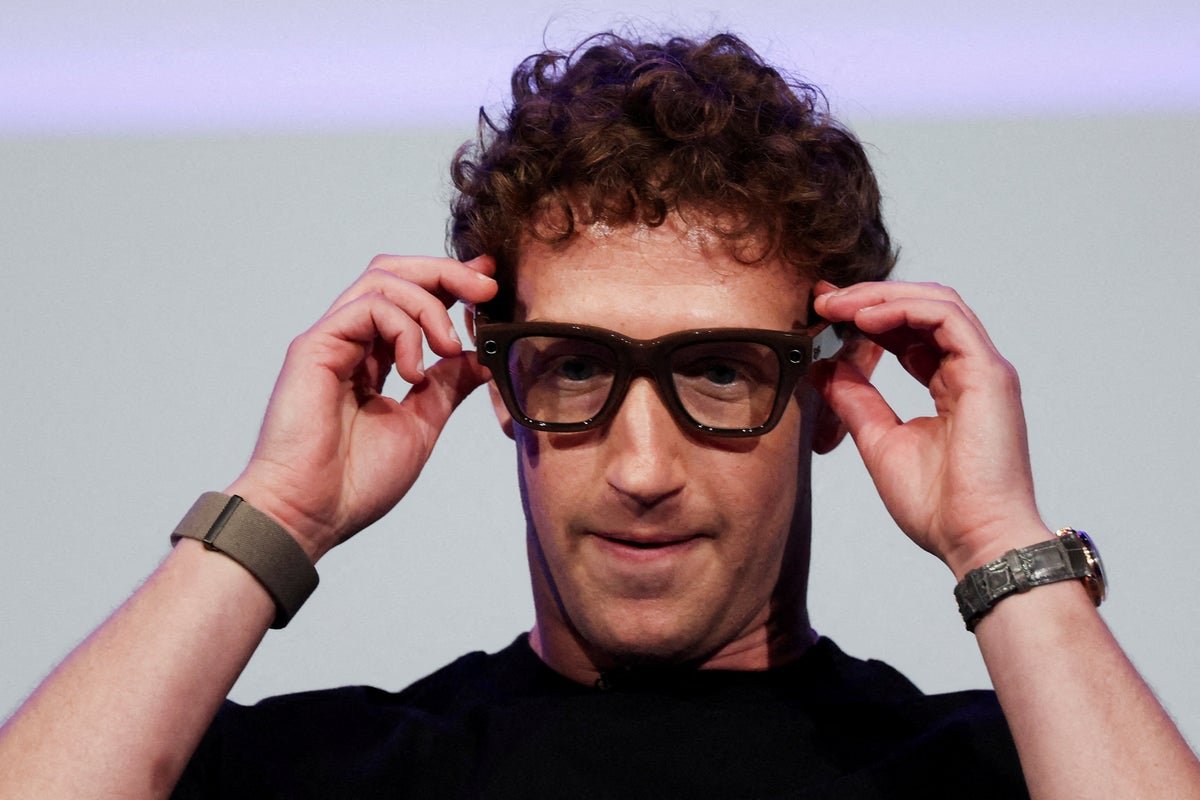

Growing concerns over secret recordings and misuse of AI-powered eyewear are raising questions about privacy and public safety.
Meta’s smart glasses are facing growing criticism over privacy concerns after some users began secretly recording strangers and posting videos of their interactions online.
The glasses, developed by Meta in partnership with brands including Ray-Ban and Oakley, allow users to take photos and videos, listen to music, make calls and interact with an AI assistant. However, their ordinary appearance has raised concerns that people may be recorded without realizing it.
The backlash intensified after videos emerged showing people using the glasses to secretly film conversations and pickup attempts. Critics fear the technology could also be misused in gyms, public places and other private settings.
Meta has responded by strengthening privacy protections. The company recently updated the glasses so their cameras can be disabled if users tamper with the recording indicator light. Instagram has also removed some prank and pickup videos for violating harassment policies.
According to IDC, Meta held about 69% of the smart glasses market in the first quarter of 2026. Analysts say privacy controversies could slow adoption among mainstream consumers.
Concerns are also spreading to businesses, universities and courts, with some venues banning smart glasses altogether. As Apple, Google, Samsung and Snap develop competing products, privacy is likely to remain a major challenge for the rapidly expanding smart-glasses industry.Growing concerns over secret recordings and misuse of AI-powered eyewear are raising questions about privacy and public safety.
The tech company’s AI glasses are a contender for the most impressive consumer hardware of the 2020s, writes Anthony Cuthbertson. But they might also be one of the decade’s biggest failures.
Meta’s smart glasses are facing growing criticism over privacy concerns after some users began secretly recording strangers and posting videos of their interactions online.
The glasses, developed by Meta in partnership with brands including Ray-Ban and Oakley, allow users to take photos and videos, listen to music, make calls and interact with an AI assistant. However, their ordinary appearance has raised concerns that people may be recorded without realizing it.
The backlash intensified after videos emerged showing people using the glasses to secretly film conversations and pickup attempts. Critics fear the technology could also be misused in gyms, public places and other private settings.
Meta has responded by strengthening privacy protections. The company recently updated the glasses so their cameras can be disabled if users tamper with the recording indicator light. Instagram has also removed some prank and pickup videos for violating harassment policies.
According to IDC, Meta held about 69% of the smart glasses market in the first quarter of 2026. Analysts say privacy controversies could slow adoption among mainstream consumers.
Concerns are also spreading to businesses, universities and courts, with some venues banning smart glasses altogether. As Apple, Google, Samsung and Snap develop competing products, privacy is likely to remain a major challenge for the rapidly expanding smart-glasses industry.
About The Author