

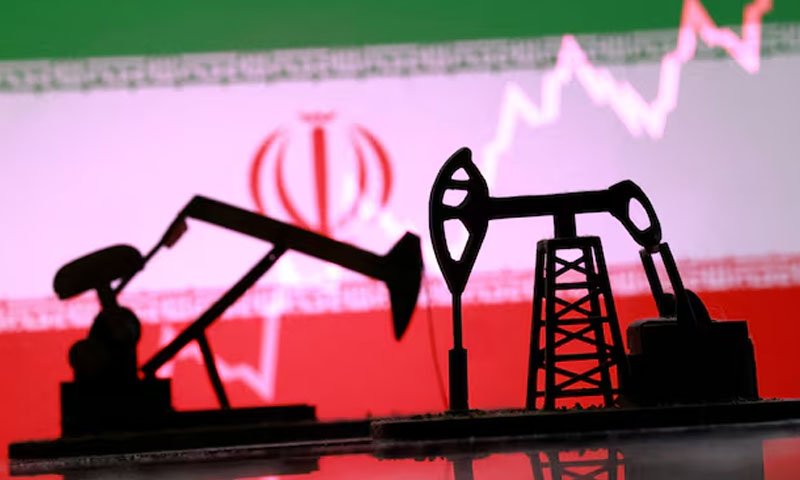

Crude oil markets spike sharply as investors react to escalating Iran-US tensions, disrupted shipping in the Strait of Hormuz, and uncertainty over a fragile ceasefire set to expire.
Oil prices rose sharply on Monday as global markets reacted to rising geopolitical tensions in the Middle East, with investors closely watching developments surrounding the Iran-US ceasefire agreement.
The two-week ceasefire between Washington and Tehran is scheduled to expire on Wednesday, fueling concerns that renewed hostilities could disrupt global energy supplies and further destabilize the region.
Market sentiment was further impacted after reports emerged that the United States had seized an Iranian-flagged cargo vessel in the Strait of Hormuz, a strategic waterway through which nearly 20 percent of the world’s oil shipments pass.
The incident added fresh uncertainty to already fragile diplomatic conditions, raising fears that negotiations between the two sides may stall or collapse entirely.
In global trading, West Texas Intermediate (WTI) crude for May delivery surged 6.87 percent to settle at $89.61 per barrel on the New York Mercantile Exchange. Meanwhile, Brent crude for June delivery climbed 5.64 percent, closing at $95.48 per barrel on the ICE Futures Exchange in London.
Analysts say the Strait of Hormuz remains a critical pressure point for global energy markets. Any disruption in tanker movement through the chokepoint could trigger further spikes in oil prices, given its role in handling roughly one-fifth of global oil trade.
Shipping activity in the region has already been significantly affected since tensions escalated in late February, adding to supply chain concerns and volatility in energy markets worldwide.
As the ceasefire deadline approaches, traders remain on edge, with markets highly sensitive to any political or military developments that could affect oil supply routes or production stability in the region.
About The Author