

Senator says Islamabad is positioning itself as a key mediator amid US-Iran tensions and regional realignments.
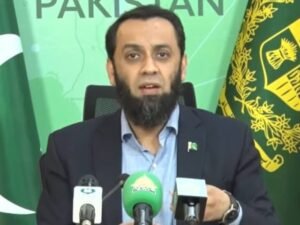
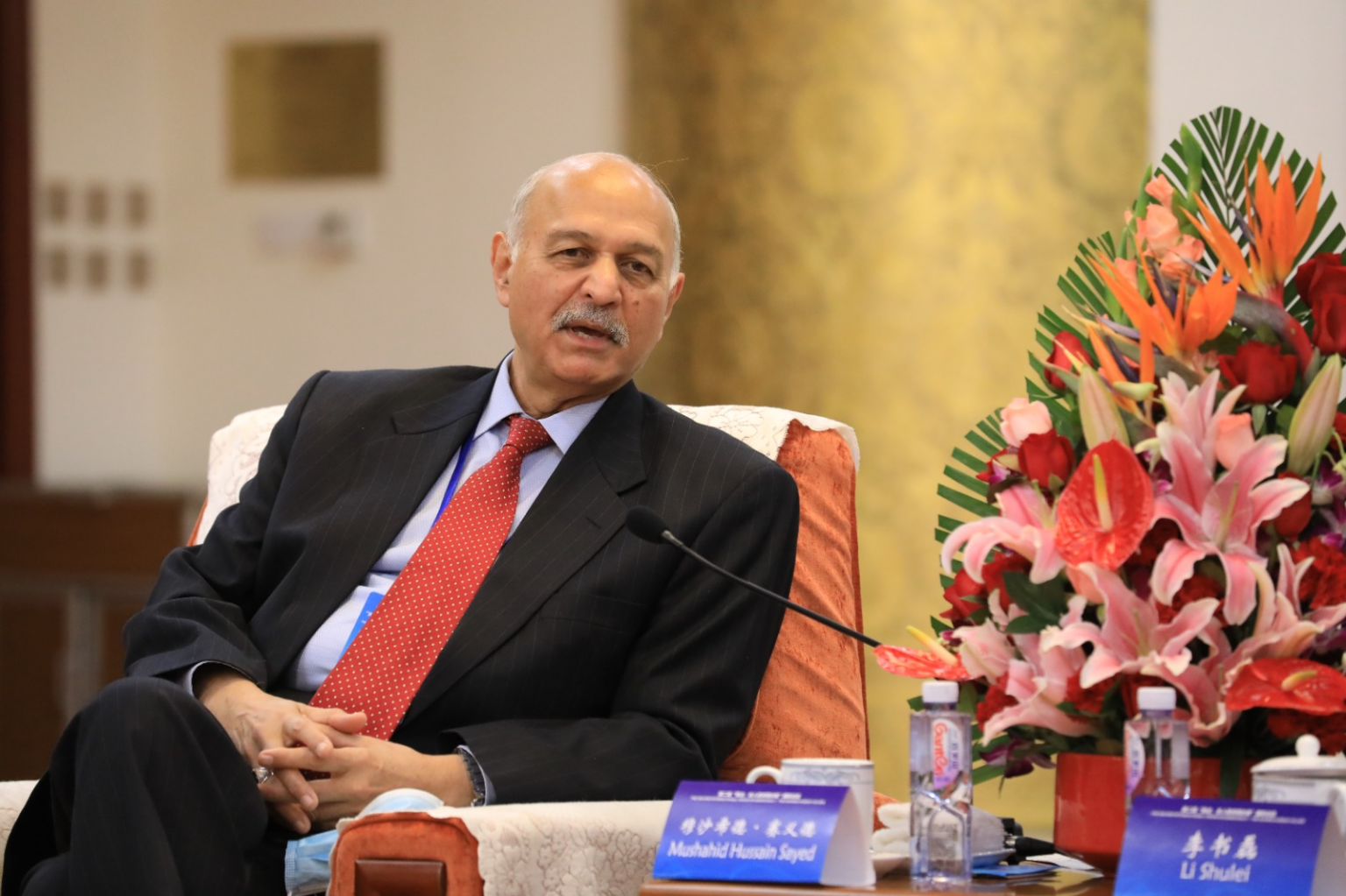
In Islamabad, Senator Mushahid Hussain said Pakistan is emerging as a major Muslim middle power capable of mediating tensions between the United States, Iran and other global actors.
He said the Strait of Hormuz crisis is a consequence of conflict rather than its cause, criticizing Washington’s approach to a perceived blockade. He argued the waterway remained open before escalation and that Iran is using it as political leverage in broader disputes, including efforts to challenge the dominance of the petrodollar system.
He added that Iran would respect international maritime law once a durable peace agreement is reached, rejecting piecemeal arrangements. Referring to Oman-mediated talks in February, he said Tehran is not pursuing nuclear weapons, and that current discussions focus on technical enrichment levels rather than weaponisation concerns, which he said have already been largely addressed.
Turning to South Asia, Hussain said India faced military, diplomatic and reputational setbacks after the 2025 conflict. He criticized what he described as an emerging Indo-Israeli alignment, calling it expansionist in outlook. He further argued India is no longer the United States’ preferred regional partner and warned of destabilizing roles by India and Israel.
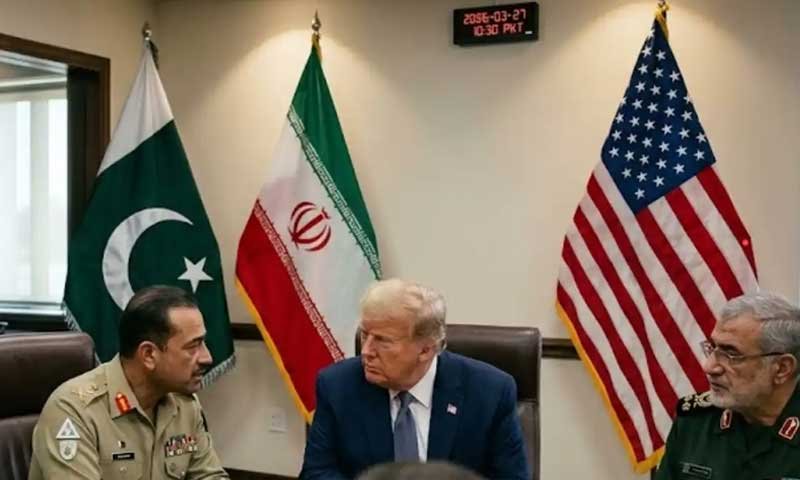
He said Pakistan, with support from China, is positioning itself as a diplomatic bridge between Washington and Tehran. According to him, this role enhances Islamabad’s global standing and helps prevent wider escalation in the Middle East, reinforcing Pakistan’s image as an active stakeholder in shaping a new regional and global order.
About The Author