

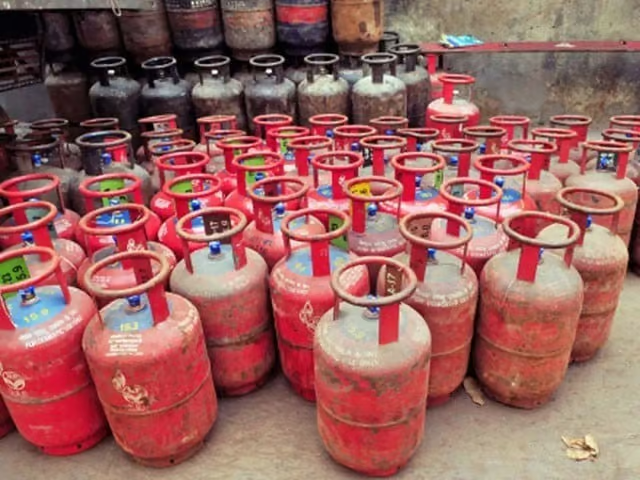

Iranian LPG tankers arriving through the Taftan border crossing have increased domestic supply, with market prices reportedly falling to around Rs480 per kilogram in some areas.
Liquefied petroleum gas (LPG) prices have fallen by up to Rs150 per kilogram across Pakistan as tankers carrying Iranian LPG have started entering the country through the Taftan land border crossing, increasing supplies in the domestic market.
Market prices have reportedly dropped to around Rs480 per kilogram in various parts of the country following the arrival of Iranian LPG shipments. The decline could provide relief to consumers facing high fuel costs, particularly households that depend on LPG for cooking and other domestic needs.
The additional supplies are increasing the availability of LPG in the local market, potentially easing pressure on prices as distributors and dealers receive more fuel. However, the reported reduction may not be uniform across the country, as retail prices can differ depending on transportation expenses, local demand and supply conditions.
LPG price decline offers potential household relief
LPG is an important domestic fuel in areas where natural gas connections are unavailable or existing supplies are insufficient to meet household needs. For families relying on LPG for cooking, a reduction in the per-kilogram price can help lower routine energy expenses.
The reported decrease of up to Rs150 per kilogram represents a substantial change for consumers who have been paying elevated market rates. However, the extent of the financial relief will depend on the prices charged by local dealers and the quantity of LPG purchased by each household.
Consumers may continue to encounter different rates in different cities and regions, even as additional supplies enter the market. Transportation costs, distribution arrangements and local market demand can influence the final retail price.
Future prices depend on supply conditions
The continued availability of Iranian LPG through the Taftan border crossing is expected to remain an important factor in determining domestic market conditions. If additional supplies continue reaching distributors, greater availability could help influence prices in the coming days.
However, the direction of future price movements remains uncertain. Further reductions will depend on the continuity of incoming supplies, distribution costs and demand across local markets.
About The Author