
Experts, policymakers, and trade union leaders urge Pakistan to prioritize workers’ rights, social protection, and decent jobs as the country advances toward a climate-resilient and low-carbon economy.
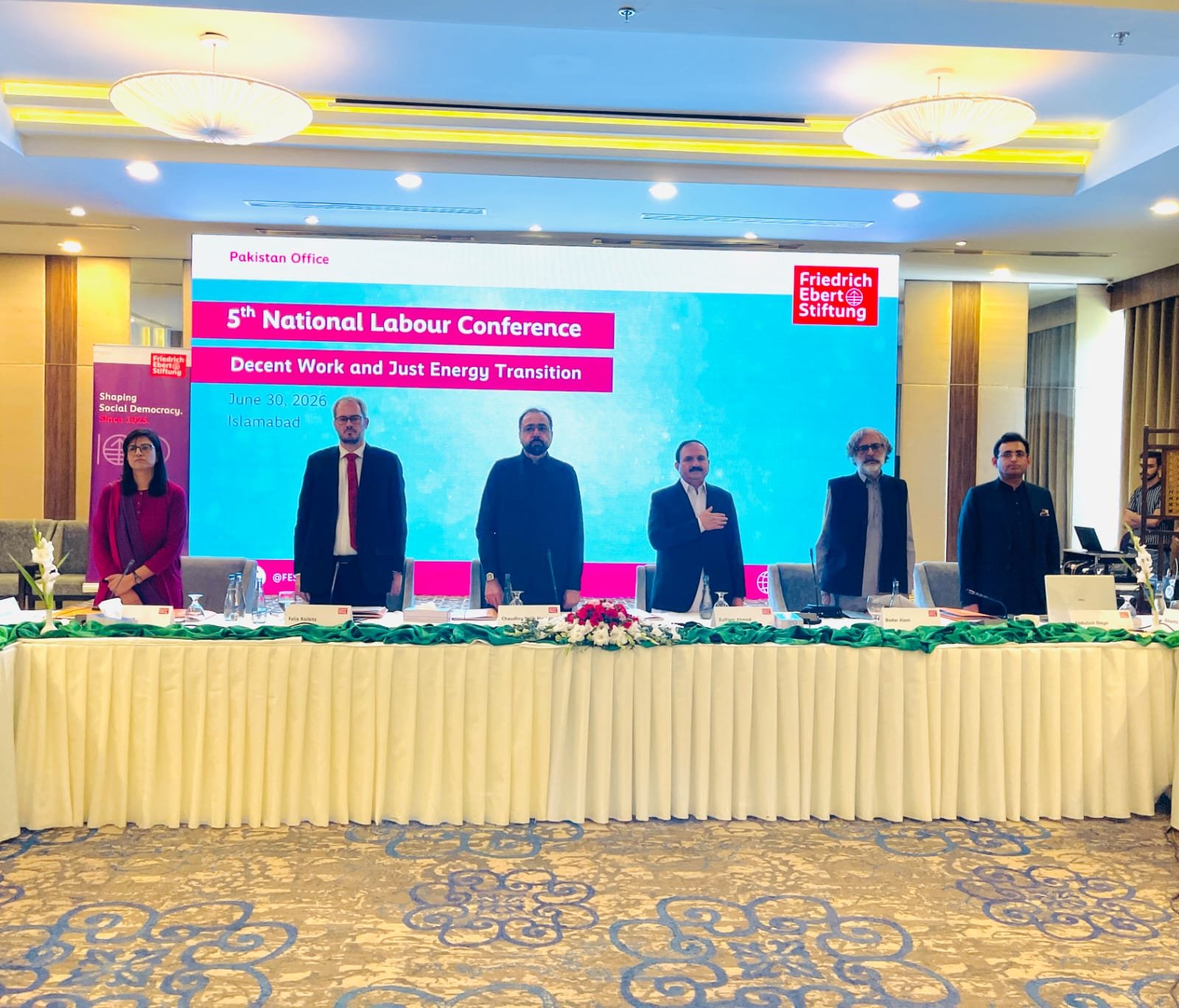
Pakistan must place workers at the center of its transition to a cleaner and climate-resilient economy, according to policymakers, labour leaders, academics, and civil society representatives speaking at the fifth National Labour Conference in Islamabad. The conference highlighted that environmental progress cannot succeed without protecting jobs, strengthening labour rights, and expanding social protection.
The event, organized by the Friedrich-Ebert-Stiftung (FES) Pakistan, focused on the theme “Decent Work and Just Energy Transition.” Participants discussed how Pakistan’s climate and energy policies should ensure fair employment opportunities while safeguarding vulnerable workers and communities affected by economic and environmental reforms.
Federal Minister Chaudhry Salik Hussain, addressing the inaugural session, said Pakistan’s greatest challenge is implementing existing policies rather than introducing new ones. He reaffirmed the government’s commitment to improving labour institutions, promoting decent work, and ensuring workers are not left behind during the country’s economic transformation.
FES Pakistan Country Director Felix Kolbitz stressed that climate change, labour informality, and widening inequality are interconnected issues requiring stronger labour protections, meaningful social dialogue, and gender-responsive policymaking. Regional Climate Coordinator Sidra Saeed emphasized evidence-based policy discussions that advance climate action alongside employment security and sustainable development.
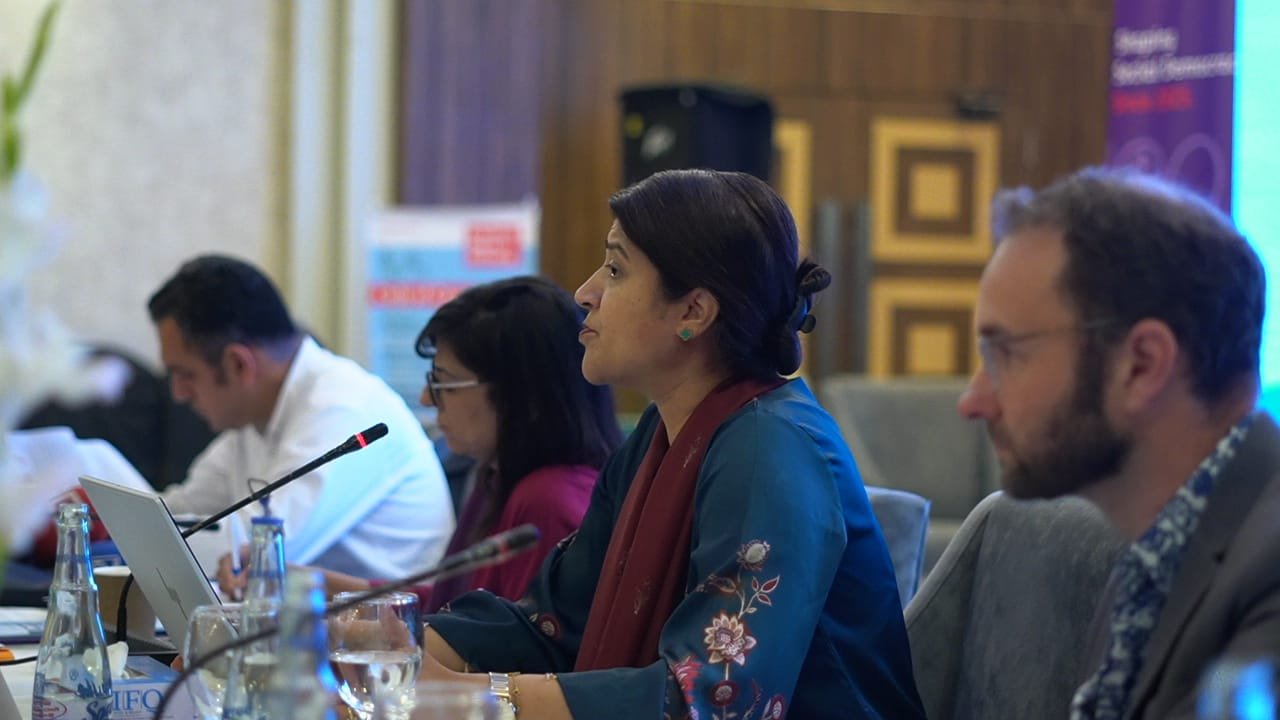
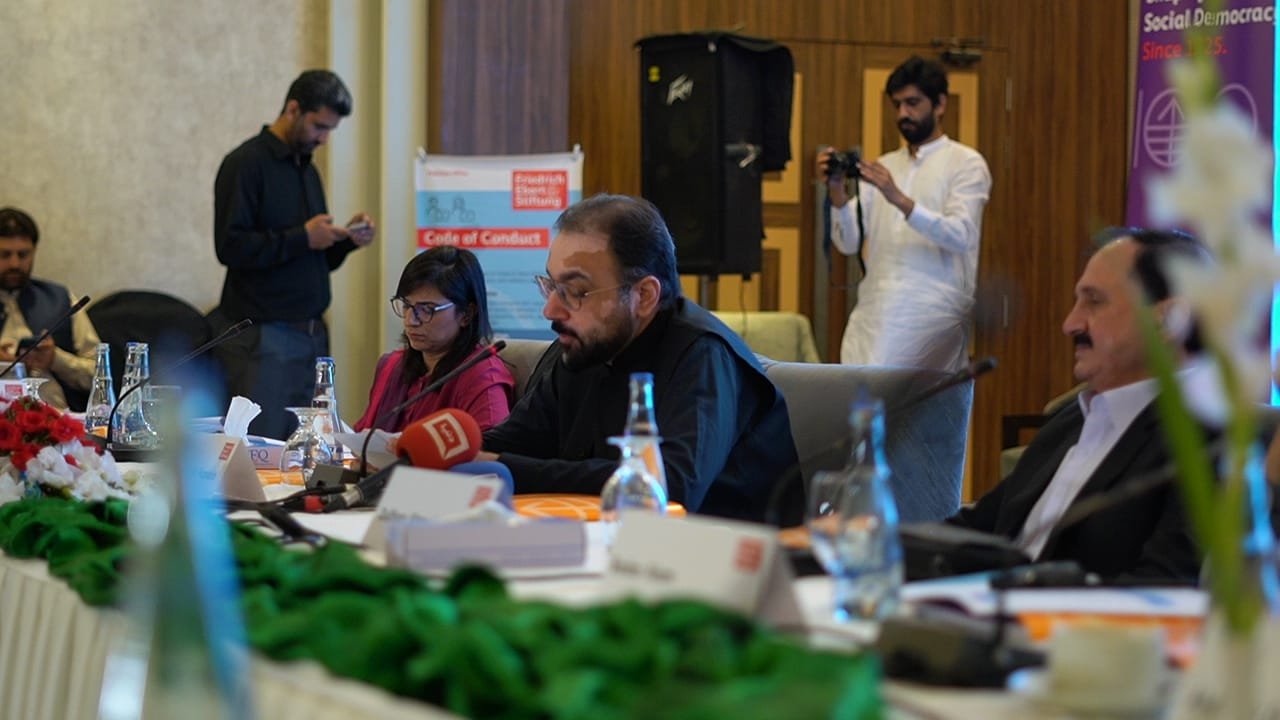
During the conference, researchers presented studies on adaptive social protection for women in the informal sector, the role of trade unions in a just energy transition, and the impact of power sector reforms on workers and consumers. Experts called for expanded social security, skills development, collective bargaining, and greater worker participation in national energy planning.
About The Author