
ISLAMABAD: Pakistan’s consumers are facing renewed financial strain as petrol prices in the country climb above those in several neighbouring states, intensifying concerns over inflation and rising household costs.
At around Rs414.78 per litre, petrol in Pakistan now stands significantly higher than regional benchmarks, according to a comparative market review. The gap has widened sharply, placing Pakistan among the most expensive fuel markets in South Asia.
The comparison highlights a stark regional contrast. Petrol is priced at nearly Rs370 per litre in Sri Lanka, around Rs360 in China, Rs302 in India, and Rs288 in Bangladesh. Even lower rates are reported in Afghanistan and the Maldives, while heavily subsidised fuel in Iran remains substantially cheaper.
Economists attribute the surge to a combination of factors, including global crude oil volatility, persistent depreciation of the Pakistani rupee, and domestic taxation structures. These pressures, they argue, have amplified import costs and forced upward adjustments in local fuel pricing.
The impact is already being felt across the economy. Analysts warn that higher fuel prices typically translate into increased transportation and logistics costs, which then feed into the pricing of essential goods, from food items to daily household necessities. This creates a cascading inflationary effect that disproportionately affects low- and middle-income groups.
Public sentiment has also grown increasingly critical. Social media discussions reflect frustration over the widening regional disparity, with many users questioning why fuel remains significantly more expensive in Pakistan compared to neighbouring economies.
Amid public concern, government officials have defended ongoing economic management. Finance Minister Muhammad Aurangzeb stated that macroeconomic indicators are showing signs of improvement, pointing to a 14 percent rise in exports and steady growth in remittances. He added that industrial output trends are also moving in a positive direction.
He further noted that despite regional tensions, petroleum supply chains have remained stable and uninterrupted. According to him, the government is attempting to balance fiscal constraints with public relief measures while maintaining overall economic stability.
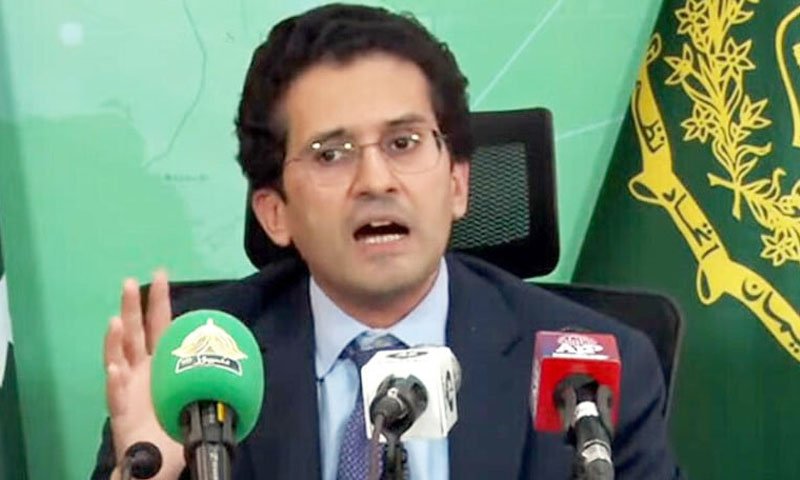
Petroleum Minister Ali Pervaiz Malik also emphasized that fuel availability has been ensured despite global price fluctuations. He highlighted targeted subsidies for sectors such as agriculture and motorcycle users, noting that significant financial support has already been extended to consumers.
He also acknowledged international cooperation from countries including Saudi Arabia, Iran, Qatar, and the United Arab Emirates in supporting energy stability. However, he cautioned that global oil prices remain volatile, limiting the government’s capacity for immediate relief.
With inflationary pressure already high, analysts warn that sustained elevated fuel prices could further strain household budgets, intensify cost-of-living challenges, and deepen economic uncertainty in the months ahead.
About The Author