
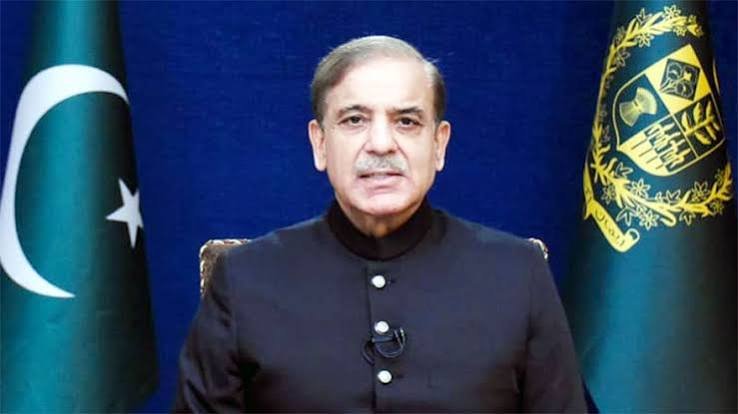

Prime Minister Shehbaz Sharif says Pakistan must expand inclusive, quality education while strengthening digital literacy, skills development and women’s empowerment.
ISLAMABAD: Prime Minister Muhammad Shehbaz Sharif on Tuesday reaffirmed the government’s commitment to improving literacy and ensuring equal access to quality education as Pakistan observed International Literacy Day.
In his message on Sept. 8, the prime minister said literacy plays a pivotal role in determining the quality of life of individuals and nations and in guiding societies toward progress and prosperity.
This year’s International Literacy Day is being observed under the theme “Literacy for People, Planet and Prosperity,” which, according to the prime minister, underscores the role of literacy in empowering individuals and advancing sustainable development.
Shehbaz said literacy should not be viewed merely as the ability of people to read and write, but as a means of transforming Pakistan’s ideological, religious, social, economic and national foundations for a brighter future.
He stressed that promoting literacy and strengthening cooperation in education and learning must remain an individual, national and global priority. Such efforts, he said, can help promote shared human interests and values including peaceful coexistence.
At the national level, the government is working with provincial governments and other stakeholders on a comprehensive strategy to increase the literacy rate and provide students with education suited to the demands of the contemporary world, he said.
The prime minister highlighted special government programmes aimed at enrolling out-of-school children and pointed to Daanish Schools as an example of efforts to provide free and quality education to disadvantaged children, including orphans.
He said the government is also focusing on digital literacy, skills development, research and innovation. The National Vocational and Technical Training Commission has been made more effective and dynamic to equip young people with globally competitive, internationally recognized and market-oriented skills.
According to Shehbaz, stronger links between education, skills development and labor-market requirements can help young people pursue dignified employment, entrepreneurship and wider economic opportunities.
He also emphasized the importance of women’s education and empowerment, saying inclusive national development requires women to have equal opportunities to develop their capabilities and contribute to the country’s progress.
The prime minister further linked literacy with public awareness of major 21st-century challenges, including climate change, environmental degradation and related risks.
He called for coordinated efforts by the government, educational institutions, students, teachers, parents, civil society, development partners, private sector and media to improve literacy and establish a quality education system.
Shehbaz urged the nation to renew its commitment to equipping younger generations with knowledge and creating a future marked by progress, opportunity and prosperity.
About The Author