

Pakistan’s benchmark KSE-100 Index remained volatile as escalating US-Iran tensions raised concerns over oil prices, shipping routes and global economic stability.
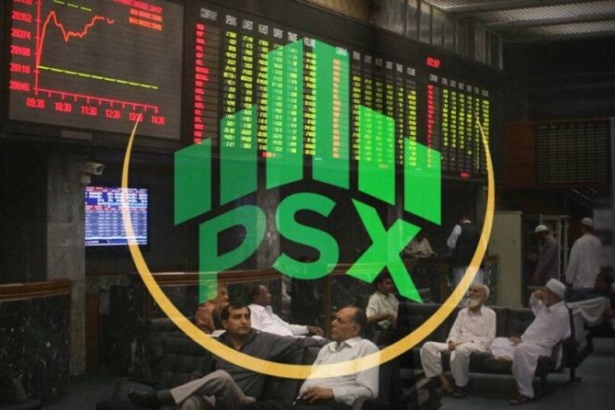
The Pakistan Stock Exchange (PSX) remained volatile on Wednesday as escalating tensions between the United States and Iran offset positive economic signals and kept investors cautious.
The benchmark KSE-100 Index opened in positive territory as investors showed initial interest in equities. However, renewed geopolitical uncertainty triggered sharp fluctuations as market participants assessed the potential economic impact of the worsening situation in the Middle East.
The KSE-100 Index climbed to an intraday high of 173,174.18 points before retreating to 172,250.20 points. By 12:49 p.m., the index had recovered some of its losses and was trading at 172,824.51 points, up 182.35 points, or 0.11%.
Trading activity remained moderate, with around 72.42 million shares changing hands. The total traded value stood at Rs5.75 billion, indicating continued participation despite uncertainty in domestic and international markets.
A key positive development came from Pakistan’s remittance inflows. Overseas Pakistanis sent $3.7 billion during August 2026, marking a 16.5% increase from the same month last year.
Remittances also rose 0.7% month-on-month, highlighting continued resilience in overseas transfers. The increase could provide support to Pakistan’s external account and foreign exchange position as the country faces challenging global economic conditions.
However, investor sentiment remained closely tied to developments between Washington and Tehran. Regional and international stock markets also faced pressure as intensifying conflict heightened concerns about global economic stability.
The renewed escalation in the Middle East has raised fears of broader disruption involving trade, shipping and energy infrastructure. Oil prices have already moved higher amid concerns over potential supply disruptions.
For Pakistan, a sustained increase in crude prices could add to import costs and increase pressure on the external sector because of the country’s reliance on imported energy.
Market participants are therefore expected to closely monitor developments in the Middle East, particularly any escalation that could affect oil supplies, shipping routes and global investor sentiment.
About The Author