

Punjab is set to present a Rs5.13 trillion budget for FY2026-27, featuring major allocations for health, education, salaries, and welfare programs while significantly reducing development spending amid federal fiscal adjustments.
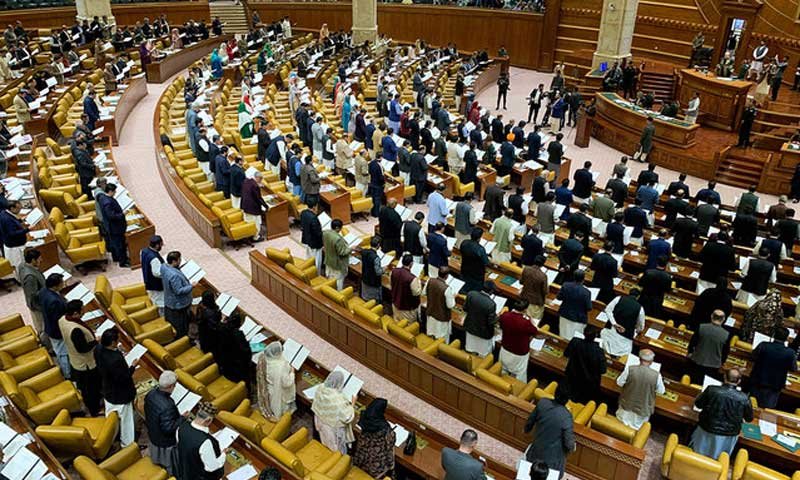
Punjab is preparing to unveil its Rs5.13 trillion budget for the fiscal year 2026-27 today, marking one of the largest provincial budgets in the country’s history. The budget will be presented in the Punjab Assembly during a session scheduled for 2pm after the governor formally summoned the provincial legislature.
According to budget estimates, Punjab is expected to receive Rs3.79 trillion from the federal divisible pool under the National Finance Commission (NFC) Award, while provincial revenue collections are projected to contribute approximately Rs1.33 trillion during the next fiscal year.
A key feature of the upcoming budget is a significant reduction in development spending. Officials familiar with the proposals said Punjab has provided a fiscal space of Rs570 billion to support the federal government’s financial requirements. As a result, the province’s annual development programme is expected to decline sharply from Rs1.45 trillion to Rs752 billion.
Despite the reduction in development allocations, the government plans substantial spending on public services. Proposed allocations include Rs650 billion for government employees’ salaries and Rs505.8 billion for pensions.
Healthcare remains a major priority, with Rs680 billion expected for the sector, including Rs100 billion for free medicines in public hospitals. Special funding has also been proposed for cancer and stroke treatment programs to improve access to specialized healthcare services.
Education is likely to receive more than Rs900 billion, with initiatives such as laptop distribution, electric scooters, bicycles for students, and Rs20 billion for the Honhaar Scholarship Programme.
The budget also emphasizes welfare and social support. Proposed allocations include Rs150 billion for the Suthra Punjab Programme, Rs25 billion for social protection initiatives, Rs35 billion for a Ramazan relief package, and over Rs80 billion in subsidies aimed at supporting consumers and vulnerable communities.
About The Author