


Qatar is intensifying its mediation efforts between Iran and the United States as its prime minister prepares for talks in Tehran amid unresolved regional tensions.
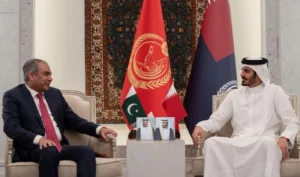
Qatari Prime Minister and Foreign Minister Sheikh Mohammed bin Abdulrahman Al-Thani will travel to Tehran on Thursday as Doha intensifies efforts to revive diplomatic engagement between Iran and the United States.
The visit comes after months of conflict between Washington and Tehran. While direct fighting has largely subsided, the two countries have yet to reach a new diplomatic understanding, leaving regional tensions unresolved.
Qatar has emerged as an important communication channel between Iran and the United States because of its longstanding relations with both countries. Doha has previously played a role in facilitating negotiations and helping maintain communication between the two sides.
Qatari mediation also contributed to a ceasefire in June that temporarily ended intense hostilities. Doha is now seeking to reopen diplomatic channels and reduce the risk of renewed escalation.
Iranian Foreign Ministry spokesperson Esmaeil Baghaei confirmed that the Qatari prime minister would discuss Doha’s mediation efforts during his visit. Regional developments and other issues related to the conflict are also expected to feature in the talks.
One of the key challenges remains the Strait of Hormuz, a strategically important waterway connecting the Persian Gulf with the Gulf of Oman and serving as a major route for international energy shipments.
Iran has used its influence over the strait as leverage during the conflict. Tehran and Oman have also been discussing arrangements concerning the waterway and related revenues. Iranian officials have provided differing accounts of the progress, indicating that key details remain unresolved.
The uncertainty has already affected global energy flows. Ship-tracking data showed that oil shipments through the Strait of Hormuz had fallen sharply to around 5 million barrels per day on Monday, compared with approximately 20 million barrels of crude oil that passed through the waterway daily before the conflict.
About The Author