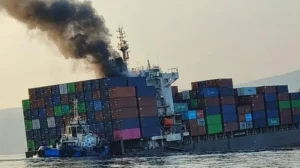

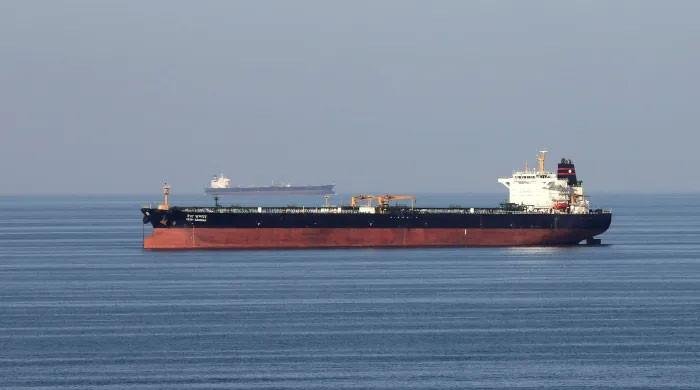

The ongoing crisis in the Strait of Hormuz has entered its third week, with global attention largely focused on rising oil prices. While Brent crude has crossed $100 per barrel and countries are tapping strategic petroleum reserves experts warn that the real threat extends far beyond energy.
This narrow maritime route handles nearly 20% of the world’s oil supply but it is also critical for transporting essential petrochemicals. Around one-third of global fertiliser trade, 44% of sulfur, 85% of Middle Eastern polyethylene, and a quarter of global helium pass through this chokepoint.
Disruptions are already emerging. QatarEnergy has declared force majeure on fertiliser supplies while export restrictions elsewhere have driven urea prices sharply higher. With planting seasons approaching in South Asia, shortages could severely impact crop yields.
Pharmaceutical supply chains are also at risk, as many essential drugs depend on petrochemical inputs. Analysts warn that prolonged disruption could lead to shortages within weeks. Meanwhile, limited helium reserves threaten industries from medical imaging to semiconductor production.
Experts caution that while the world prepared for oil shocks it remains vulnerable to broader supply chain disruptions with far reaching economic and humanitarian consequences.
About The Author