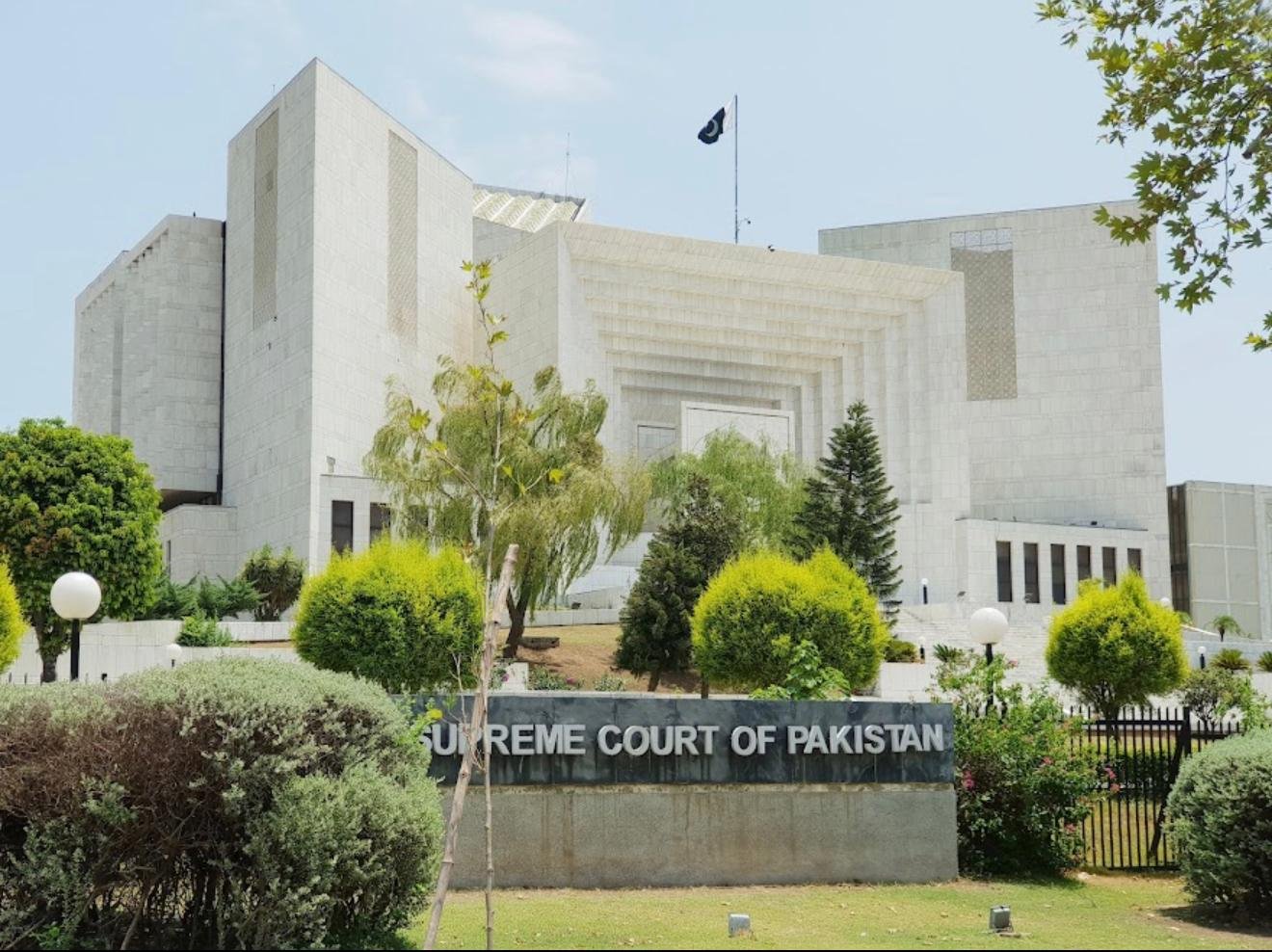

Landmark decision safeguards citizens’ fundamental right to identification
ISLAMABAD: The Supreme Court of Pakistan has declared that blocking a citizen’s Computerized National Identity Card (CNIC) to enforce court orders is illegal.
In a detailed three-page judgment issued by Justice Muneeb Akhtar, the court emphasized that a CNIC is not a luxury but a basic necessity. Denying a citizen access to their CNIC, the court noted, is equivalent to depriving them of their fundamental right to life.
The Supreme Court set aside a Sindh High Court decision, clarifying that no court has the authority to order the blocking of a CNIC without explicit legal authorization. The judgment questioned the logic of using CNIC blocking as a penalty, asking whether courts could also order disconnection of electricity or water services for unpaid dues. It concluded that Section 51 of the Civil Procedure Code does not provide legal grounds to block identity cards.
The case stems from a 2016 trial court order that had directed the blocking of the petitioner’s CNIC over non-payment of dues. The Sindh High Court upheld that order, which has now been struck down by the Supreme Court as illegal.
Legal experts say this ruling marks a significant step in protecting citizens’ fundamental rights and ensuring access to essential identification documents.
About The Author