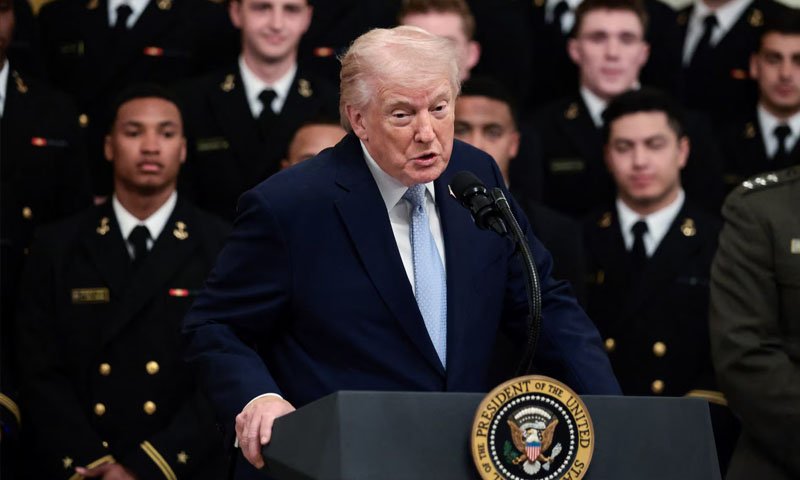

In a recent speech in Miami, Donald Trump stirred controversy after making a derogatory comment about Saudi Crown Prince Mohammed bin Salman (MBS), before quickly shifting tone to praise him as a “warrior.” Trump claimed that the crown prince had once underestimated him, saying he “never thought he’d be kissing my ass,” a remark that drew mixed reactions from the audience, including both laughter and shock.
Despite the crude language, Trump soon changed his stance, calling MBS a “fantastic man” and commending his leadership. He credited the Saudi leader for supporting the United States during tensions involving Iran, particularly in what he described as a joint effort aligned with Israeli interests.
Trump also shared a personal anecdote about holding hands with MBS, portraying it as a sign of mutual respect and recognition of American strength. He further claimed that MBS had once described the US as a “dead country” but now viewed it as one of the most powerful nations globally.
Analysts see this contrasting rhetoric as typical of Trump’s communication style—provocative, unpredictable, and designed to dominate headlines while adapting to shifting political contexts.
About The Author