

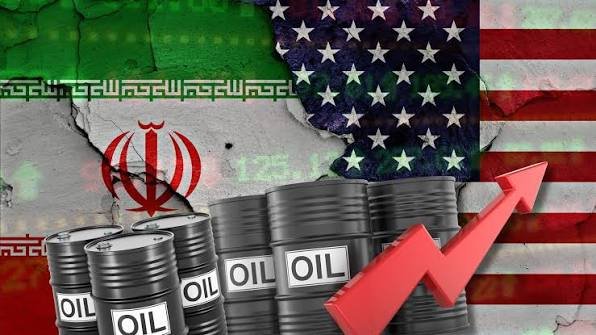

Rising tensions between the United States and Iran are increasing concerns over Middle East oil supplies and pushing crude prices higher.
Global crude oil prices have risen amid growing tensions between the United States and Iran, with concerns mounting that further instability in the Middle East could threaten oil supplies and disrupt energy markets.
According to media reports, Brent crude prices rose 7.1% over the past week, while West Texas Intermediate (WTI) crude gained 9.8%. The increases represent the biggest weekly gains in crude prices since July 20.
The latest escalation in US-Iran tensions came after US strikes this week killed and wounded dozens of people, including Iranian citizens, according to the report.
Concerns over the security of the Strait of Hormuz have further intensified pressure on global energy markets. The strategically important waterway is a key route for international oil shipments, making any disruption there a potential risk for global supplies and prices.
Iran has also expanded a list of vessels that could face fines, seizure or detention if they attempt to pass through the Strait of Hormuz, according to the report.
Meanwhile, developments surrounding the Russia-Ukraine war have provided some counterweight to oil price increases. Russian President Vladimir Putin said there is still room for an agreement to end the war in Ukraine, raising the possibility that progress on the conflict could ease some pressure on global energy markets.
According to Reuters, an analyst survey conducted in August projected that oil prices could remain above $80 a barrel during 2026, citing the possibility of continued disruption to maritime routes.
Market attention is now focused on the trajectory of US-Iran tensions and the situation in the Strait of Hormuz. Any further escalation could threaten oil supplies from the Middle East and place additional upward pressure on international crude prices.
About The Author