
Fresh US and Iranian military strikes, rising tensions in the Strait of Hormuz, and growing humanitarian concerns have intensified fears of a broader regional conflict.
WASHINGTON/TEHRAN: The United States and Iran exchanged fresh military strikes on Saturday, extending their confrontation into a seventh consecutive night and raising concerns that the Middle East could be heading toward a broader regional war following the collapse of a recent ceasefire.
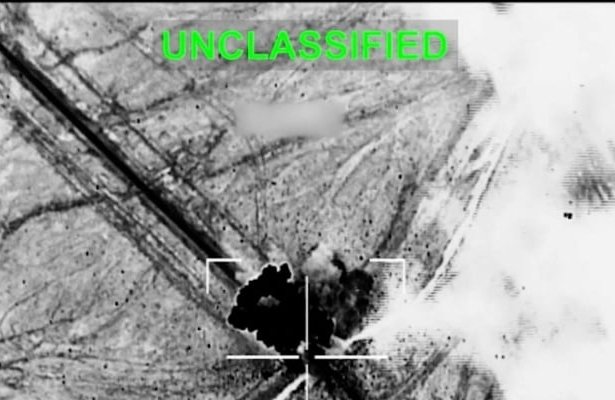
According to the US Central Command (CENTCOM), American forces carried out coordinated air and naval strikes targeting Iranian underground weapons storage sites, surveillance installations, logistics hubs and maritime capabilities. The US military said more than 50,000 American personnel remain deployed across the Middle East and are prepared for continued operations.
Iran responded with retaliatory attacks on US-linked facilities in Kuwait and Jordan, while state media reported that American strikes damaged power facilities and desalination infrastructure in the southern city of Jask, disrupting drinking water supplies to nearby communities. Iranian officials also reported fatalities, injuries and damage to transport infrastructure in several cities, though casualty figures remain unconfirmed.
The conflict has intensified around the Strait of Hormuz, a vital global oil shipping route. Washington said it intercepted and redirected several commercial vessels as part of maritime security operations, while Iran’s Revolutionary Guards claimed they halted vessels allegedly violating Iranian navigation rules. Reports from Iranian media of burning oil tankers were rejected by US officials.
Security concerns have also spread toward the Red Sea after armed men reportedly seized another commercial vessel near Yemen, highlighting growing risks to international shipping.
The escalating conflict has unsettled global energy markets, with oil prices rising more than 4% to their highest level in over a month amid fears of supply disruptions. Iran warned that continued US military operations could threaten regional energy exports, while the United Nations urged both sides to avoid further escalation and protect civilian infrastructure.
About The Author