

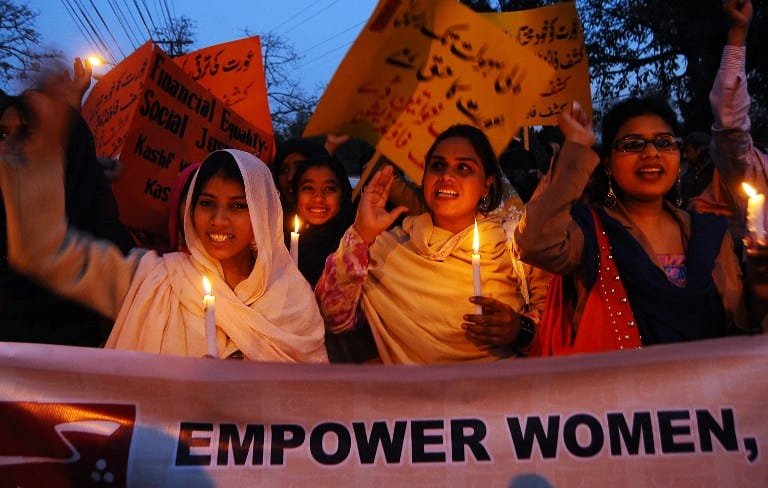

A series of violent incidents across Pakistan has renewed concerns about women’s safety, autonomy, and the persistent refusal by some segments of society to accept a woman’s right to make her own choices.
Pakistan continues to witness a troubling rise in crimes against women, highlighting a deep social crisis that extends far beyond isolated incidents. With each passing month, reports of domestic violence, honor killings, sexual assault, and acid attacks are raising urgent questions about the effectiveness of legal protections and society’s attitude toward women’s rights.
According to figures cited by the Human Rights Commission of Pakistan (HRCP) in its 2025 report, thousands of women were affected by gender-based violence. The report documented deaths linked to domestic abuse, rape cases, cyber harassment complaints, and hundreds of honor killings, reflecting the scale of the challenge facing the country.
Several shocking incidents reported during 2026 further intensified public concern. In Karachi’s Orangi Town, a man allegedly killed his wife after a dispute related to marital relations, a case that sparked debate about bodily autonomy and consent within marriage. The incident underscored the reality that many women are still denied the right to make decisions about their own lives and bodies.
Honor-based violence also remained a serious concern. Cases involving couples targeted for choosing their own partners continued to emerge, while women were reportedly attacked or killed for exercising personal choices that should be protected under the law. Such incidents have renewed discussions about whether constitutional rights are being fully upheld in practice.
Acid attacks, one of the most brutal forms of violence against women, also drew attention. In separate incidents reported during 2026, women suffered severe injuries after marriage proposals were rejected or personal disputes escalated into violence. Rights advocates argue that these attacks often stem from a refusal to accept a woman’s right to say “no.”
A common thread runs through many of these crimes: the rejection of women’s agency. Whether the issue involves marriage, education, employment, or personal relationships, some individuals continue to view women as possessions rather than equal citizens with independent rights and freedoms.
Experts and activists emphasize that legislation alone cannot solve the problem. Effective law enforcement, swift justice for victims, public awareness campaigns, and education promoting gender equality are all considered essential to addressing the root causes of violence.
Until women’s choices, dignity, and freedoms are fully respected, observers warn that statistics will continue to rise and countless women will remain vulnerable to violence that threatens their lives, futures, and fundamental human rights.
About The Author