
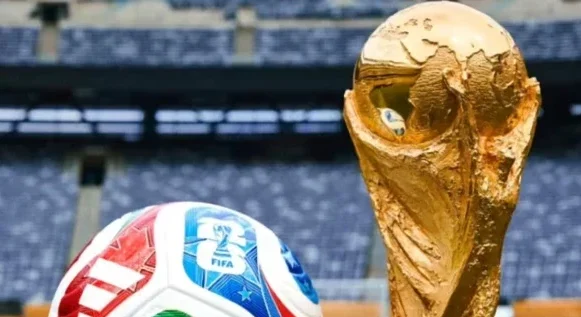

FIFA’s head-to-head tie-break rule and expanded 48-team format are reshaping the race for World Cup 2026 knockout qualification, creating intense competition and unpredictable group-stage outcomes.
The battle for qualification at the FIFA World Cup 2026 has taken a dramatic turn as the tournament’s newly introduced tie-break system continues to influence group standings and reshape the path to the knockout rounds.
One of the most significant changes in this year’s competition is FIFA’s decision to prioritize head-to-head results when teams finish level on points. The rule has already played a decisive role in determining group positions, allowing some nations to secure qualification earlier than expected while leaving others facing elimination despite competitive goal differences.
Under previous World Cup formats, goal difference served as the primary tie-breaker, encouraging teams to chase large-margin victories in their final group matches. However, the revised regulations now place greater importance on direct encounters between tied teams. If points are equal, the result of the head-to-head match is considered first, followed by goal difference, goals scored, fair-play records, and FIFA rankings.
The impact has been immediate. Several teams have benefited from crucial victories against direct rivals, earning superior positions in their groups even without the tournament’s strongest attacking records. Analysts argue that the change rewards performance in high-pressure matches rather than goal accumulation against weaker opponents.
Adding further intrigue is the expanded 48-team World Cup format. With eight of the best third-placed teams also progressing to the knockout stage, nations currently outside the top two positions remain firmly in contention.
About The Author