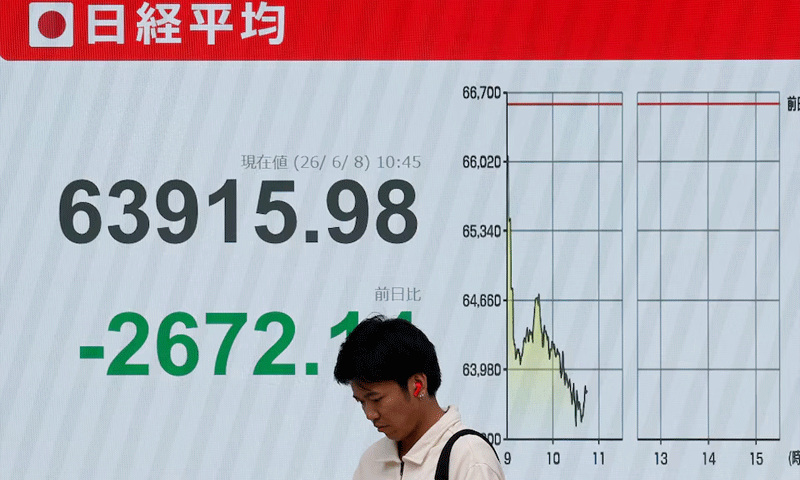

Asian equities tumbled sharply after a Wall Street technology sell-off, persistent inflation concerns, and escalating Middle East tensions sparked a global wave of investor panic.
Global financial markets were thrown into turmoil on Monday as Asian stocks suffered one of their steepest declines of the year, erasing an estimated $1.5 trillion in market value in a single trading session.
The sell-off spread rapidly across the region after a sharp correction in U.S. technology stocks raised concerns about stretched valuations in the artificial intelligence and semiconductor sectors. Investor sentiment weakened further following disappointing guidance from major chipmakers, prompting aggressive profit-taking in Asia’s top-performing technology shares.
South Korea’s benchmark KOSPI index led regional losses, falling nearly 5%, while Japan’s Nikkei 225 dropped close to 4%. Taiwan’s benchmark index also recorded significant declines as technology stocks came under intense pressure.
Broader economic concerns added to the market stress. A stronger-than-expected U.S. jobs report reduced expectations for near-term Federal Reserve interest rate cuts, strengthening the dollar and increasing Treasury yields. The shift fueled capital outflows from emerging markets, weighing heavily on regional equities, including India’s Nifty 50.
Meanwhile, geopolitical tensions intensified after reports of Israeli strikes on military targets in Iran pushed Brent crude oil prices higher. Rising energy costs heightened fears of renewed inflation pressures and slower global growth.
With key U.S. inflation data due later this week and major market events expected to test investor confidence, analysts warn that volatility could remain elevated across global financial markets in the near term.
About The Author