

A proposed $300 billion private-sector investment fund has become a central pillar of the emerging US-Iran framework, offering economic incentives for peace while extending a fragile regional ceasefire.
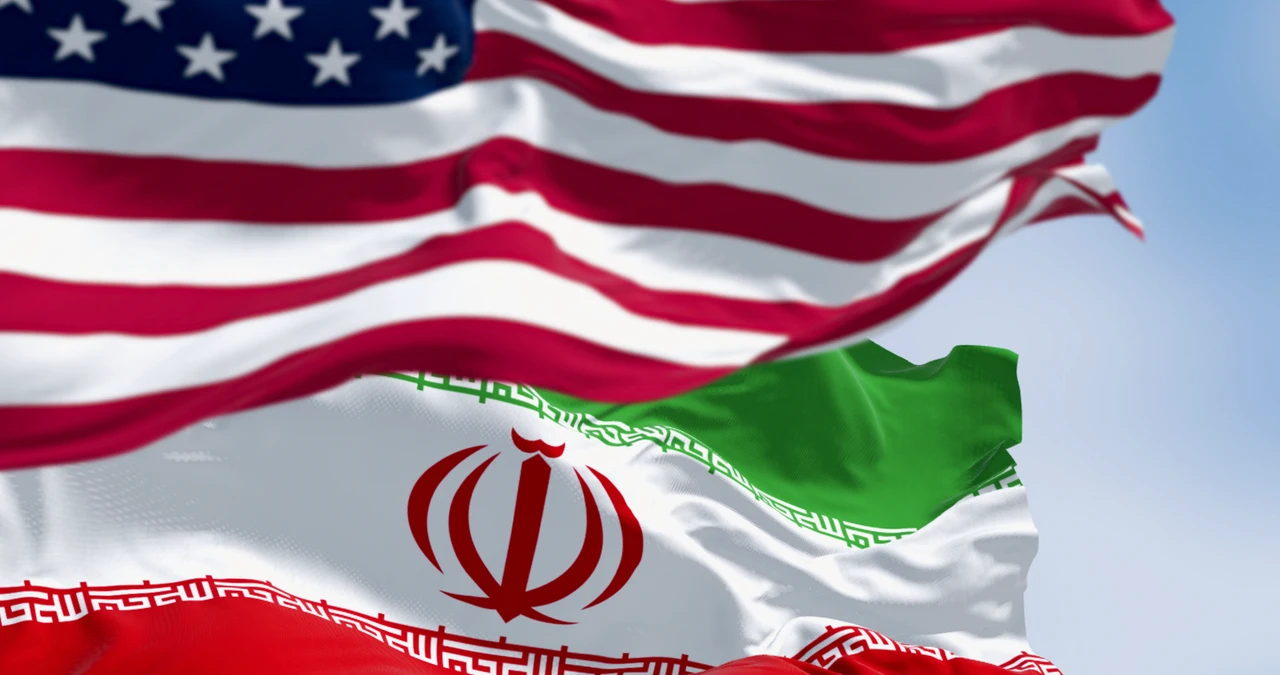
The newly revealed US-Iran framework agreement includes a proposed $300 billion private investment fund aimed at supporting Iran’s economic recovery and encouraging a lasting settlement to the conflict that began on February 28.
According to sources familiar with the negotiations, the initiative—named the Reconstruction and Development Fund—will be financed entirely by private-sector investors. More than half of the pledged amount has already been committed by companies from the United States, Gulf nations, Asia, South America, and Africa.
The fund emerged after Iran reportedly sought $400 billion in war compensation, a demand rejected by Washington. Instead, the investment vehicle is designed to channel capital into key sectors including energy, logistics, manufacturing, and transportation. Projects could include rebuilding damaged industrial facilities, refineries, airports, and other critical infrastructure.
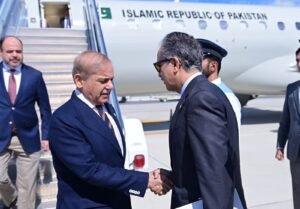
The agreement remains separate from ongoing discussions on sanctions relief and frozen Iranian assets. A memorandum of understanding signed in Switzerland outlines a 60-day negotiation period before the fund can become operational.
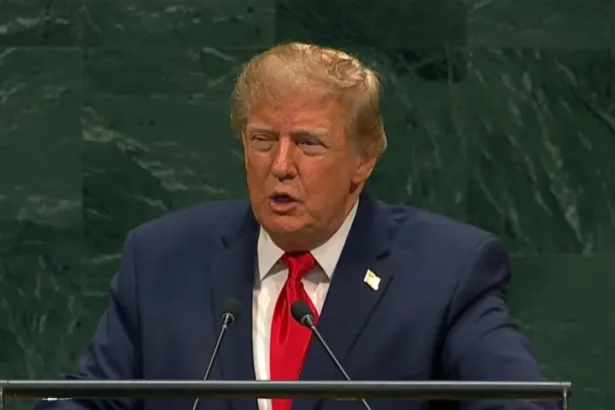
The framework also extends a fragile ceasefire, allowing Iran to resume oil exports and reopening the Strait of Hormuz to international shipping. While US President Donald Trump described the deal as a safeguard against Iran’s nuclear ambitions, unresolved issues—including Tehran’s missile program and regional militia ties—remain under negotiation.
About The Author