

Pakistan ranked worst globally for PM2.5 pollution, far exceeding WHO safety limits, new IQAir data reveals.
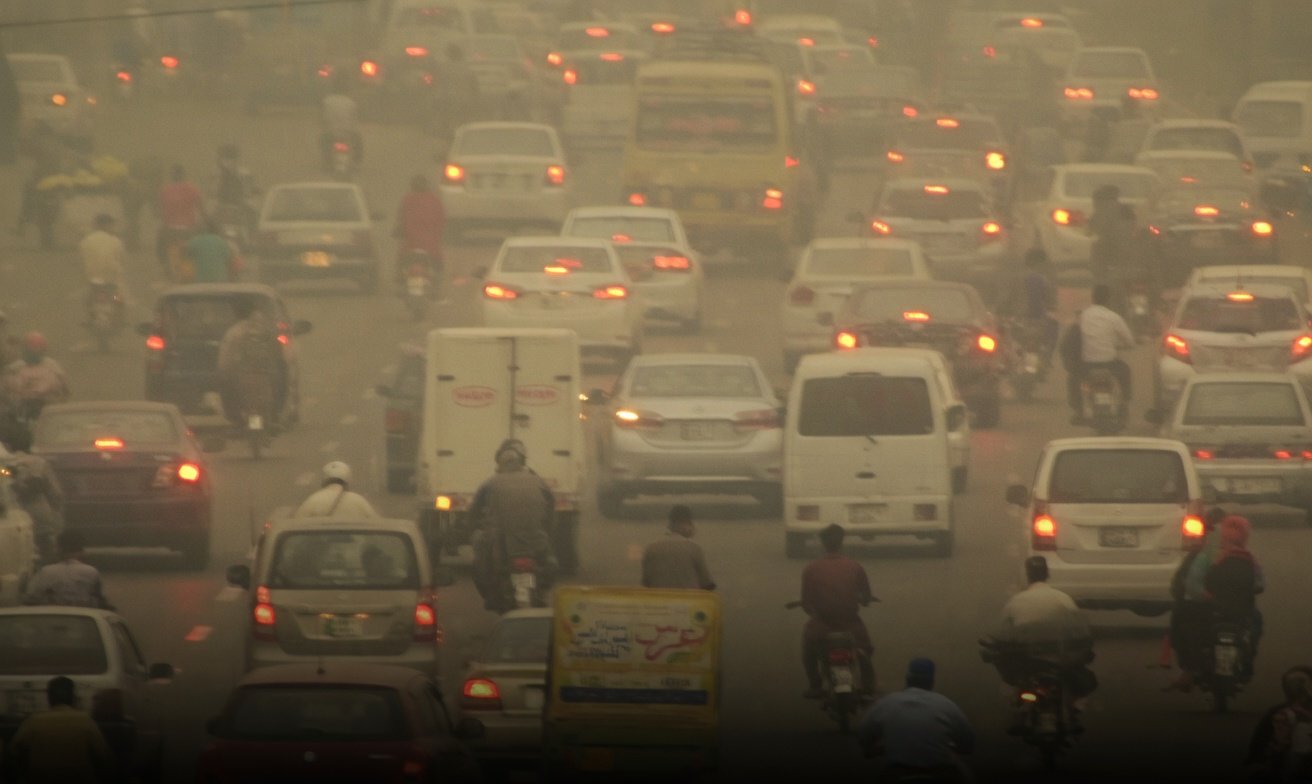
ISLAMABAD: Pakistan recorded the highest average level of fine particulate pollution in the world in 2025, according to a new global air quality assessment by IQAir.
The report found that Pakistan’s annual PM2.5 concentration stood at roughly 13 times above the safe limit set by the World Health Organization. PM2.5 particles are microscopic pollutants capable of entering deep into the lungs and bloodstream, increasing risks of heart and respiratory diseases.
South Asian neighbors Bangladesh and Tajikistan ranked second and third globally, underscoring a wider regional smog crisis. The analysis also showed that all of the world’s 25 most polluted cities were located in South Asia and China, with Loni in India and Hotan in China’s Xinjiang region topping urban rankings.
Out of 143 countries and territories assessed, 130 failed to meet the WHO annual air quality guideline of 5 micrograms per cubic meter. Only a small group of nations, including Australia and Iceland, stayed within safe limits.
Researchers said global air quality trends were also shaped by wildfire smoke, seasonal weather patterns, and data gaps in several regions, which may have affected some rankings.
Experts warned that the findings highlight an escalating public health crisis, with South Asia remaining the global epicenter of toxic air pollution.
About The Author