

Iran–US tensions and Strait of Hormuz instability trigger a global fuel price shock, reshaping energy markets across continents.
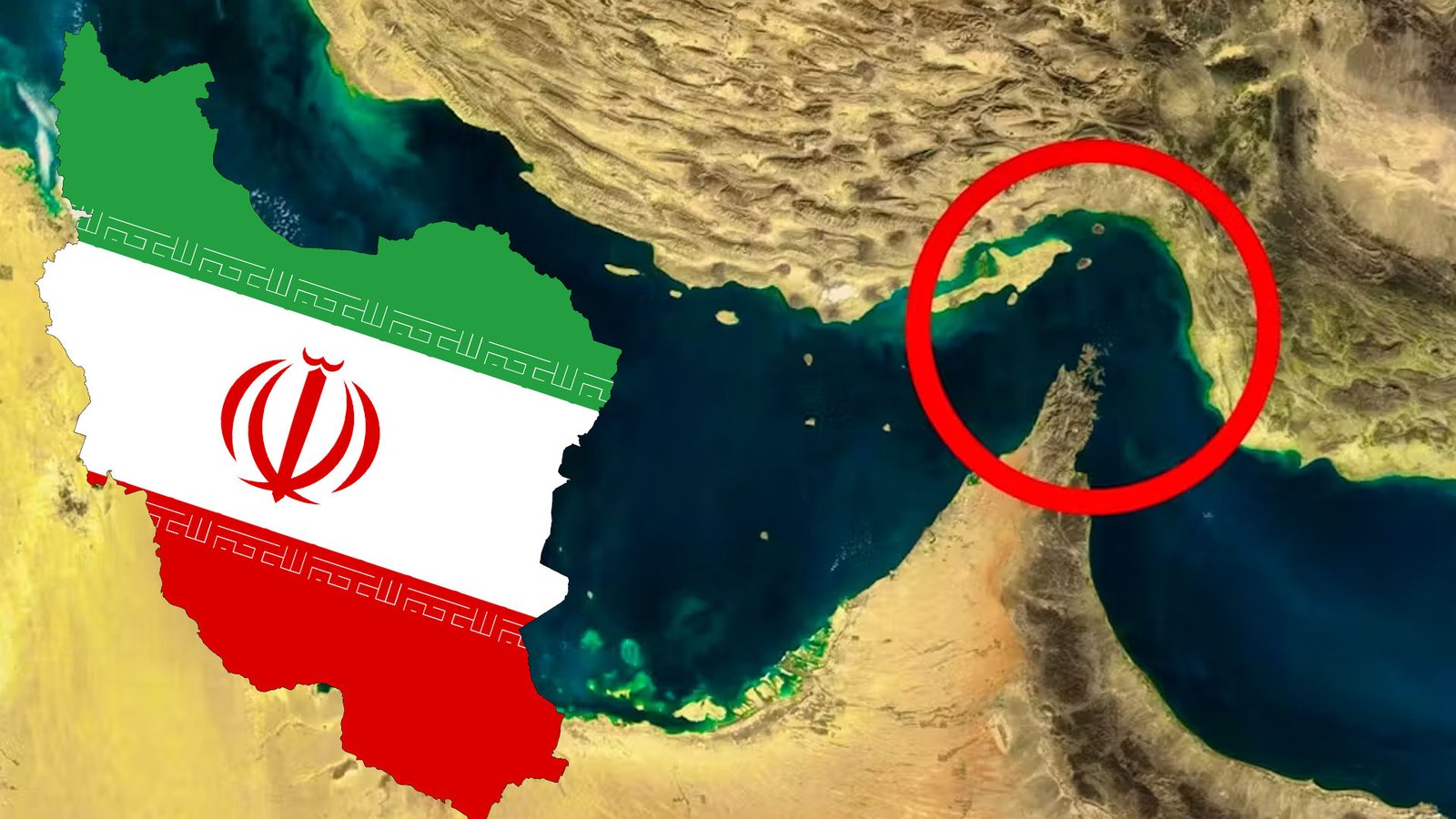
A sharp escalation in tensions between Iran and the United States has triggered widespread disruption in global energy markets, pushing fuel prices higher in more than 85 countries. The instability around the Strait of Hormuz, one of the world’s most critical oil transit routes—has strained supply chains and intensified inflationary pressure worldwide.
In Pakistan, petrol prices have surged by nearly 20 percent, adding fresh momentum to domestic inflation. Meanwhile, India has maintained relative price stability despite regional volatility, a move analysts describe as a strategic economic buffer.
The most dramatic increases have been recorded in Southeast Asia, where countries like Vietnam have seen fuel prices jump by nearly 50 percent. Europe and North America have also experienced significant upward pressure, with major economies including the United Kingdom, Germany, France, and the United States facing elevated fuel costs.
The Strait of Hormuz remains central to global oil logistics, and ongoing uncertainty has raised concerns about long-term supply disruptions. Experts warn that if tensions between Iran and the United States persist, transportation costs and industrial production expenses may rise further, increasing the risk of a broader global economic slowdown.
About The Author