
WASHINGTON — A fresh diplomatic controversy erupted after the United States denied a visa to Iranian Foreign Minister Abbas Araghchi ahead of a high-level United Nations Security Council meeting in New York, effectively preventing a potentially significant face-to-face interaction between senior American and Iranian officials amid rising regional tensions.
The ministerial-level debate, titled “Upholding the Purposes and Principles of the UN Charter and Strengthening the UN-Centred International System,” is being organized under the rotating presidency of China at the United Nations Security Council. The session is expected to be chaired by Chinese Foreign Minister Wang Yi.
The meeting comes at a time when global diplomatic divisions, conflicts in the Middle East, and concerns about the effectiveness of international institutions are intensifying pressure on the global order. Diplomats say the debate will focus on reinforcing the authority of the United Nations, defending the principles of the UN Charter, and promoting dialogue-based conflict resolution.
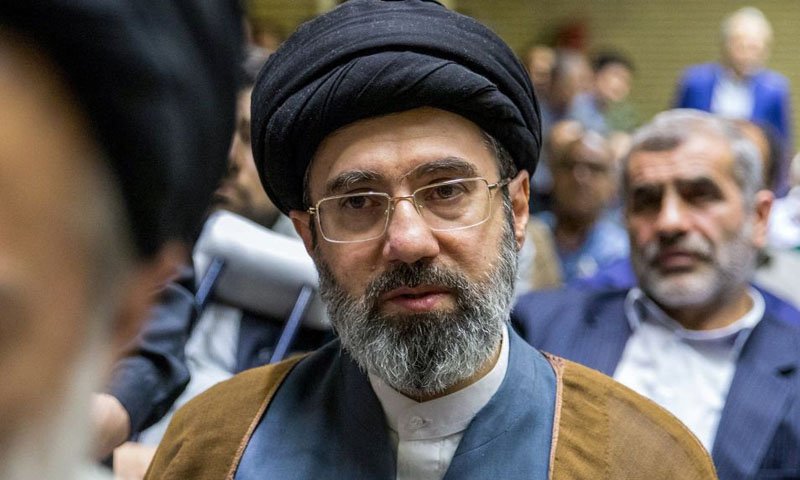
According to Iran’s state-run IRNA news agency, Foreign Ministry spokesman Esmail Baqaei confirmed that Araghchi would not travel to New York because the United States refused to issue him a visa.
Diplomatic analysts noted that Iran is not currently a member of the Security Council, meaning Araghchi had been invited by the Chinese presidency as a guest participant rather than an official council representative. Even so, his absence removes the possibility of another direct interaction between Washington and Tehran at a highly sensitive moment in bilateral relations.
The United States, which hosts the headquarters of the United Nations in New York, is generally required under international agreements to facilitate entry for foreign officials attending UN meetings. However, Washington has previously delayed or restricted visas for officials from rival nations during periods of heightened political tensions.
Chinese officials have described the upcoming Security Council debate as an effort to address mounting instability in the international system and widening geopolitical rivalries. Beijing has increasingly presented itself as a supporter of multilateral diplomacy and a UN-centered world order while criticizing what it considers unilateral policies by Western countries.
In recent remarks, China’s UN mission warned that the international system is facing “unprecedented challenges” and stressed the need to strengthen multilateral institutions and the authority of the Security Council.
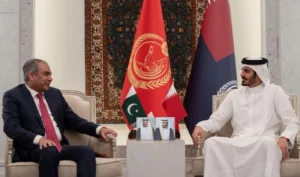
Meanwhile, Pakistan’s Deputy Prime Minister and Foreign Minister Mohammad Ishaq Dar arrived in New York to represent Pakistan at the meeting. Pakistani diplomatic sources said Dar is expected to reaffirm Islamabad’s support for peaceful dispute resolution through dialogue and within the framework of the UN Charter.
Pakistan is also expected to align with China’s broader call for strengthening the role of the United Nations and promoting multilateral approaches to global conflicts.
During his visit, Dar is expected to hold bilateral meetings with several foreign ministers and senior UN officials. He is also scheduled to participate in discussions linked to the China-backed Group of Friends on Global Governance.
The United States is expected to attend the Security Council debate as a permanent member, although it remains uncertain whether U.S. Secretary of State Marco Rubio will participate personally or send a lower-level delegation.
The diplomatic dispute unfolds against the backdrop of ongoing instability across the Middle East and renewed international concern about the future of diplomacy between Washington and Tehran, particularly regarding regional security issues and the broader balance of global power.
About The Author