
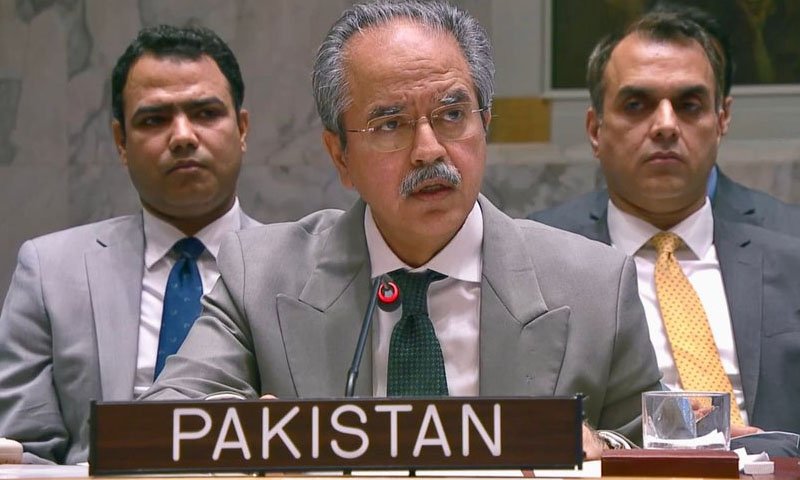

Pakistan has called for restraint and urgent diplomatic efforts at the United Nations as tensions rise in the Middle East due to the escalating US-Iran conflict and the ongoing Strait of Hormuz crisis. Addressing the UN, Pakistan’s representative Asim Iftikhar Ahmad emphasized that “time and space must be allowed” for peace initiatives to succeed, urging all parties to avoid further escalation.
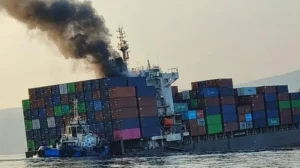
He reaffirmed Pakistan’s support for countries affected by the conflict, especially those not directly involved but suffering its economic and security consequences. Pakistan highlighted the serious global impact of recent attacks on oil infrastructure, which have caused sharp increases in fuel and fertilizer prices and disrupted energy supplies worldwide. The Strait of Hormuz, a key route for nearly one-fifth of global oil shipments, remains at the center of international concern.
Pakistan also reiterated its cooperation with China under a five-point framework aimed at reducing tensions, including an immediate ceasefire, protection of civilians, and ensuring safe shipping routes.
Meanwhile, divisions in the UN Security Council deepened after Russia and China vetoed a resolution to reopen the Strait of Hormuz. Pakistan abstained, maintaining a balanced stance while stressing that dialogue and de-escalation remain the only path to lasting peace.
About The Author