

Uncertainty continues to grip global energy markets following the reopening of the Strait of Hormuz and the United States’ announcement of a blockade on Iranian ports, raising concerns about the stability of oil and gas supplies worldwide.
Typically, nearly one-fifth of the world’s oil and gas trade passes through the Strait of Hormuz. Daily shipments, which once reached around 20 million barrels, were almost completely halted a month ago after attacks on Iran by the United States and Israel.
As a result, global oil and gas prices surged sharply, with the most severe impact felt in Asia and developing countries that rely heavily on energy imports and have limited capacity to absorb market shocks.
Experts warn that the effects of this historic disruption could persist for a long time and may permanently alter the global energy landscape. According to OilPrice.com, such uncertainty is accelerating the shift toward alternative energy sources, with energy security and stability becoming top priorities.
Analysts note that while clean energy was previously promoted as a moral responsibility, it has now become an economic and geopolitical necessity. The focus is no longer just on environmental concerns but also on stability and price balance.
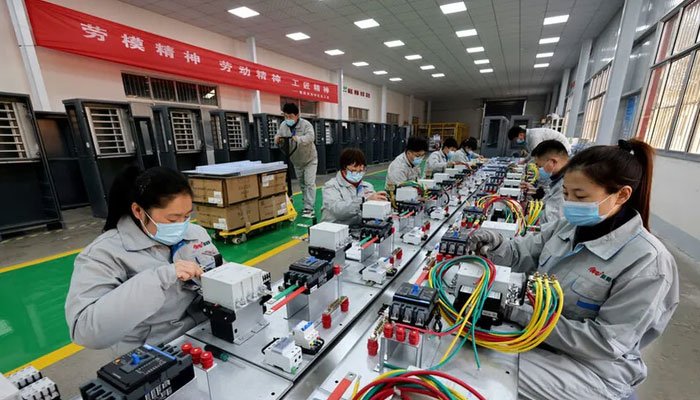
In this transition, China has taken a leading position. Exports from Chinese companies producing renewable and environmentally friendly energy solutions have increased by 57 percent. China’s dominance in global clean energy supply chain including solar panels, wind turbines, batteries, and electric vehicles has further strengthened its position in international markets.
This shift is especially benefiting Chinese firms as countries affected by disruptions in the Strait of Hormuz look for reliable alternatives. Experts predict significant growth in wind and solar energy in the coming years, as these sources are not only cost-effective but also enhance energy independence and protect importing nations from future crises.
As one expert put it, energy from wind and the sun cannot be blocked or weaponized, making locally produced clean energy a secure and resilient solution for the future.
About The Author