
Global Energy Shock Intensifies as Maritime Conflict Disrupts Oil Routes and Financial Stability
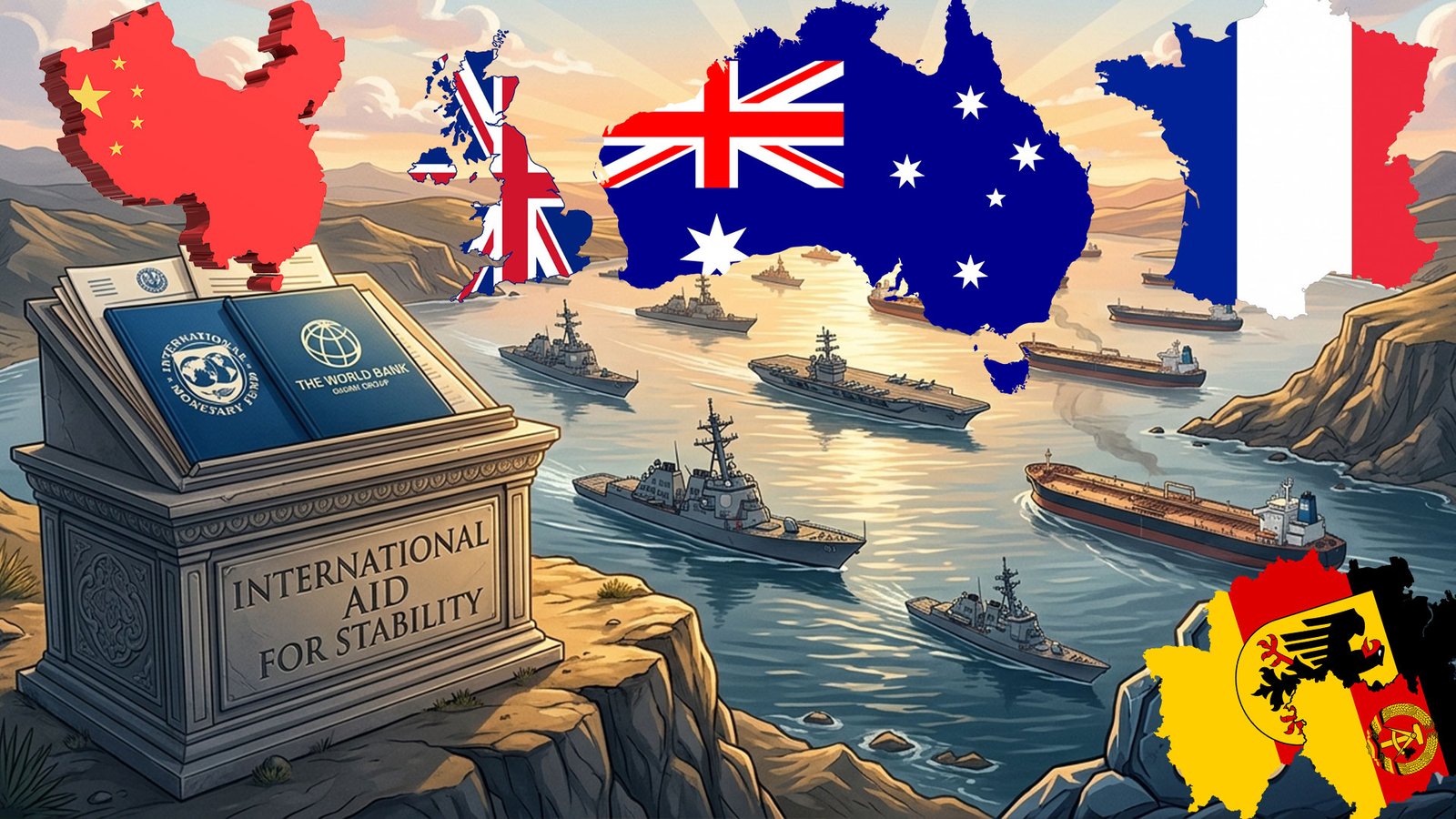
MIDDLE EAST: The closure of the Strait of Hormuz amid escalating regional conflict has triggered widespread alarm across global energy markets, prompting 11 countries including the United Kingdom, Japan, and Australia to call for emergency financial assistance through the International Monetary Fund and the World Bank. Officials warned that disruptions to the critical maritime corridor could destabilize global supply chains and intensify inflationary pressures worldwide.
The United States Navy has intensified maritime enforcement operations following the escalation, reportedly detaining eight oil tankers linked to Iranian interests, including a Chinese-owned vessel identified as ‘Rich Star’. Iran responded by condemning the actions and warning that further restrictions on its maritime routes could extend to the Red Sea, raising fears of a broader shipping crisis.
Diplomatic efforts continue as multiple regional and global actors attempt to de-escalate tensions. US Vice President JD Vance acknowledged that deep mistrust remains between the parties, even as President Donald Trump expressed optimism, suggesting that a ceasefire deal may be close and describing the next two days as potentially decisive for a long-term resolution.
The Strait of Hormuz, through which nearly a fifth of the world’s oil supply passes, remains a vital artery for global trade. Analysts warn that prolonged closure could force Asian and European economies to seek costlier alternative routes, exacerbating inflation and slowing economic growth. The call for IMF-backed emergency support reflects mounting concern among developed nations over systemic financial risk.
Markets remain volatile as governments monitor developments and prepare contingency measures across energy sectors.
About The Author