

Health officials report steady monthly rise in HIV infections in Islamabad, with men forming the majority of new cases.
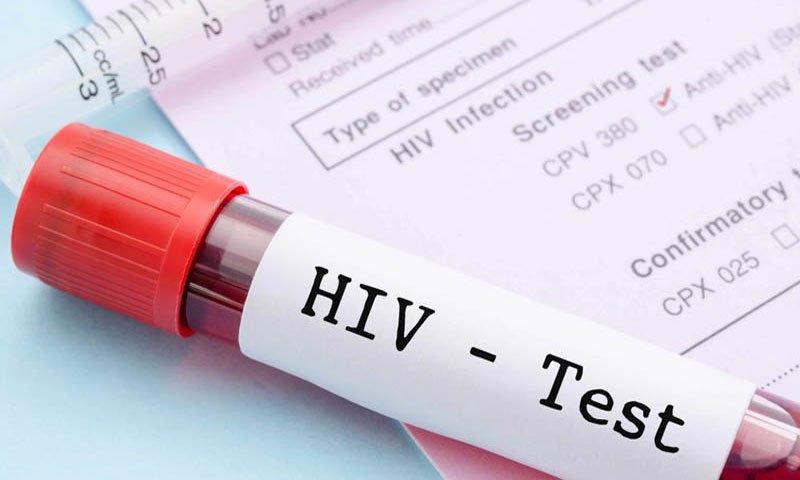
Islamabad recorded 618 new HIV cases between January 2025 and March 2026, according to data from the Ministry of National Health Services, Regulations and Coordination, showing a steady rise in infections across the capital. Officials said monthly detections remained consistent, with occasional spikes reflecting ongoing transmission in urban networks.
Monthly figures showed cases ranged from 31 to 63 per month in 2025, with July reporting the highest at 63, followed by September with 52 and August with 45. In early 2026, 120 additional cases were recorded, including 41 in January, 39 in February and 40 in March, indicating sustained transmission.
Health officials said adult men accounted for more than 64 percent of all cases, with 397 infections, while 106 were adult women, 93 transgender persons, and 22 children. Experts linked the trend to high-risk behaviours, including drug use and unprotected sex among young men.
A senior official at the Pakistan Institute of Medical Sciences said many patients reported methamphetamine use and unsafe sexual practices, often leading to so-called chemsex, where stimulant use lowers inhibitions and increases risky, prolonged sexual activity. Medical experts warned that such patterns are contributing to wider community spread beyond high-risk groups.
Officials said the findings highlight urgent need for expanded testing, targeted awareness campaigns and stronger interventions for vulnerable populations in Islamabad and surrounding urban areas to curb further transmission of HIV. They urged coordinated public health response to prevent escalation in both urban and peri-urban communities. Authorities emphasized early diagnosis and community engagement. strategies essential.
About The Author