

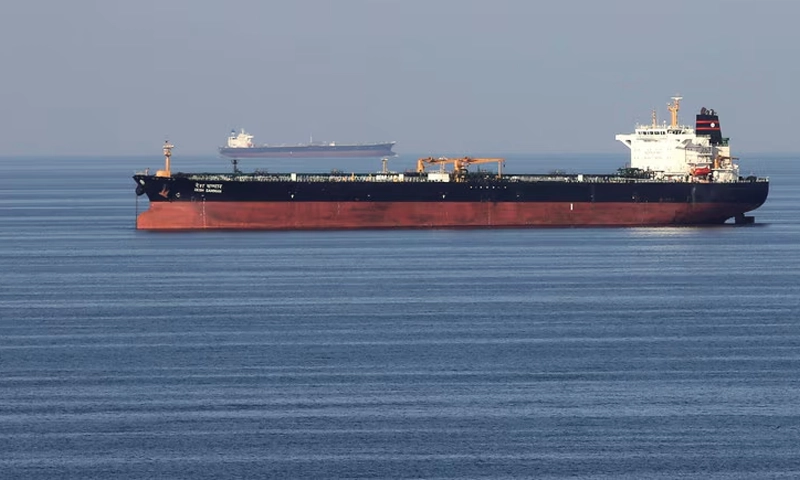

U.S.-Iran Standoff Escalates as Strategic Waterway Faces Renewed Closure
Iran has again closed the Strait of Hormuz after the United States declined to lift a naval blockade on Iranian ports, escalating tensions in a region critical to global energy supplies.
Iran’s joint military command said the waterway had returned to “strict armed forces control” and warned that commercial traffic would remain restricted until Washington restores what Tehran calls full freedom of navigation for Iranian shipping.
The move reverses a brief reopening announced a day earlier during a fragile ceasefire linked to regional fighting, which had raised hopes of easing pressure on international shipping routes.
U.S. President Donald Trump said the blockade would remain in place until broader negotiations, including Iran’s nuclear programme, reach a resolution. Tehran has rejected the measure, calling it “piracy” and an unlawful restriction on sovereign trade.
The Strait of Hormuz, linking the Persian Gulf to the Gulf of Oman, carries nearly one-fifth of global oil and gas shipments. Disruptions have already impacted tanker traffic, raised insurance costs, and added volatility to global energy markets.
Analysts warn that renewed restrictions could deepen supply chain instability and push energy prices higher, particularly in Asia and Europe, which rely heavily on Gulf imports. They also caution that prolonged closure risks military escalation and could force rerouting of tankers around Africa, increasing transit time and costs.
Diplomatic efforts involving regional intermediaries continue, but neither side has signalled compromise as the standoff over maritime access intensifies with regional mediators urging restraint to avoid wider conflict spillover effects in the Middle East.
About The Author