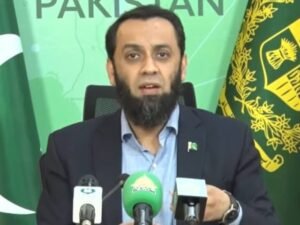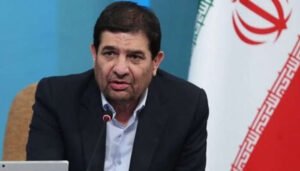

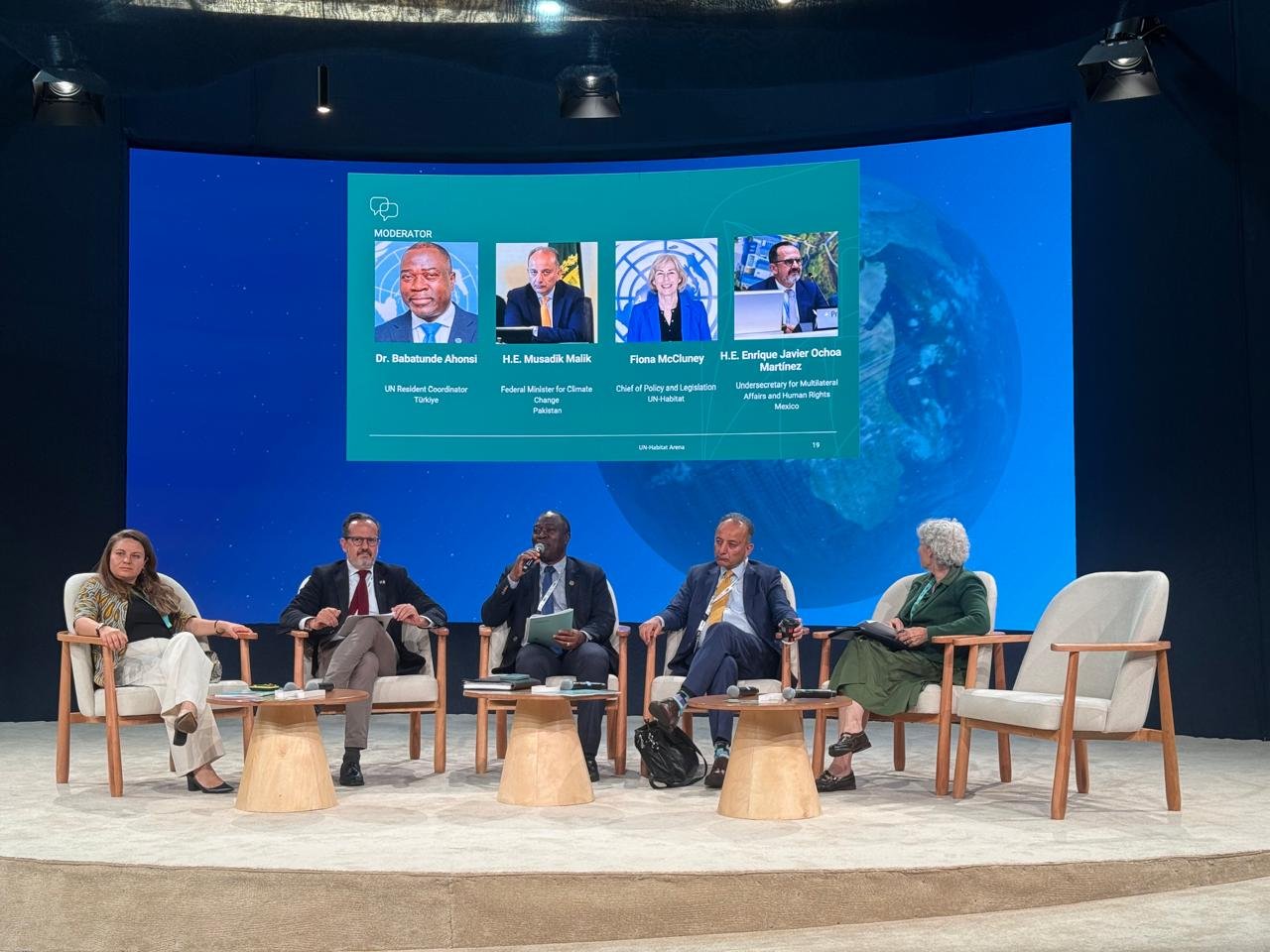

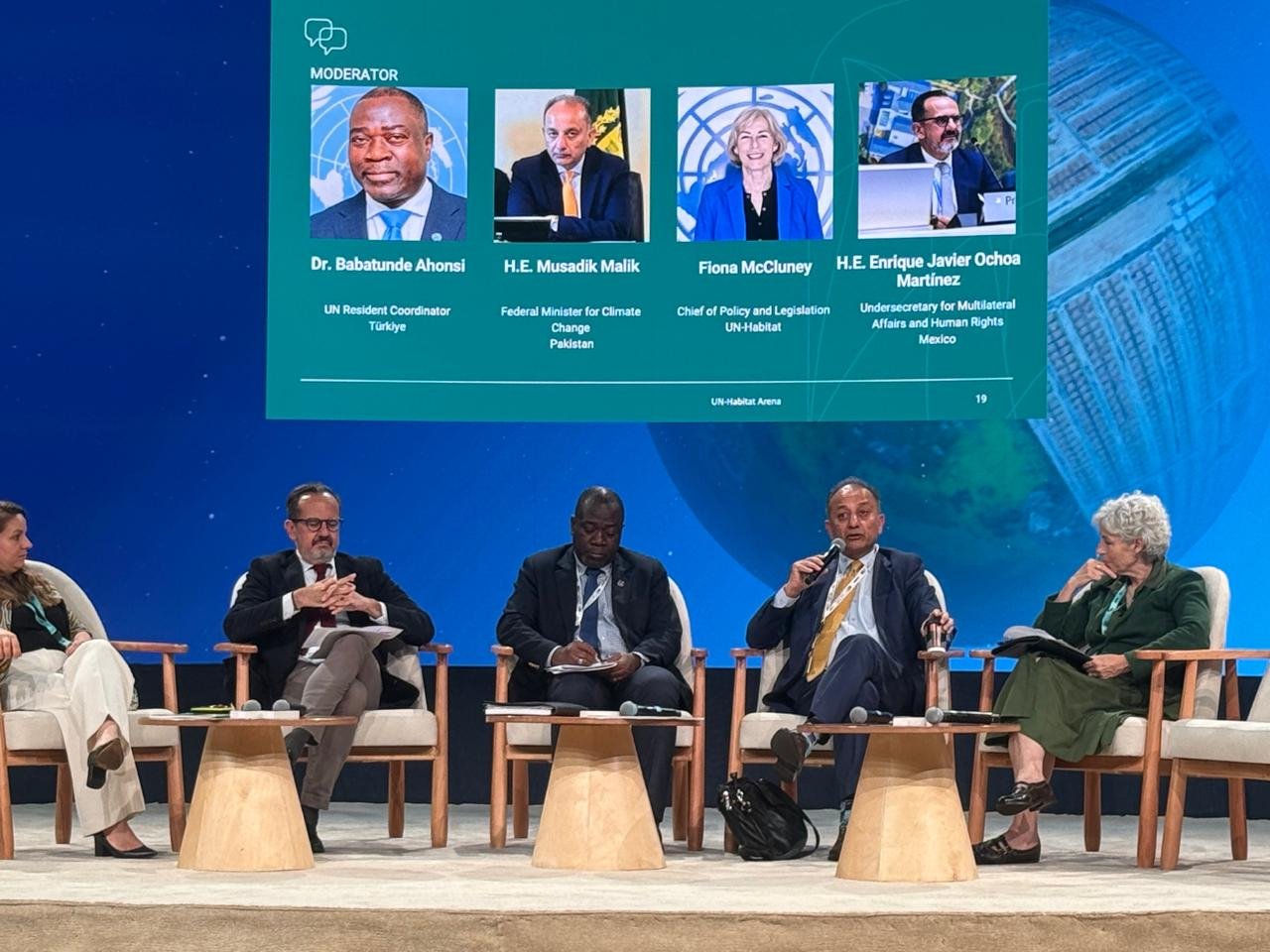
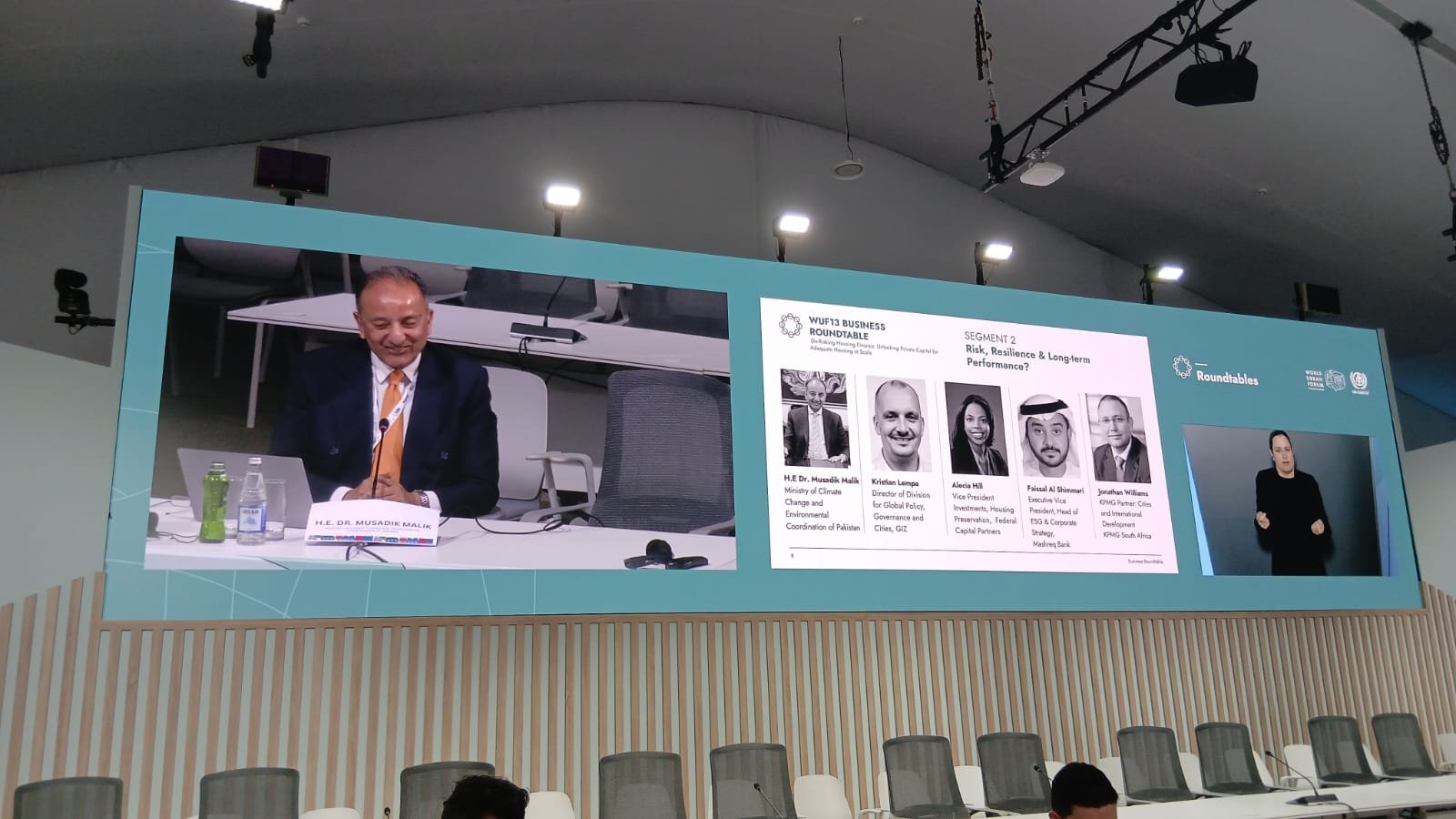
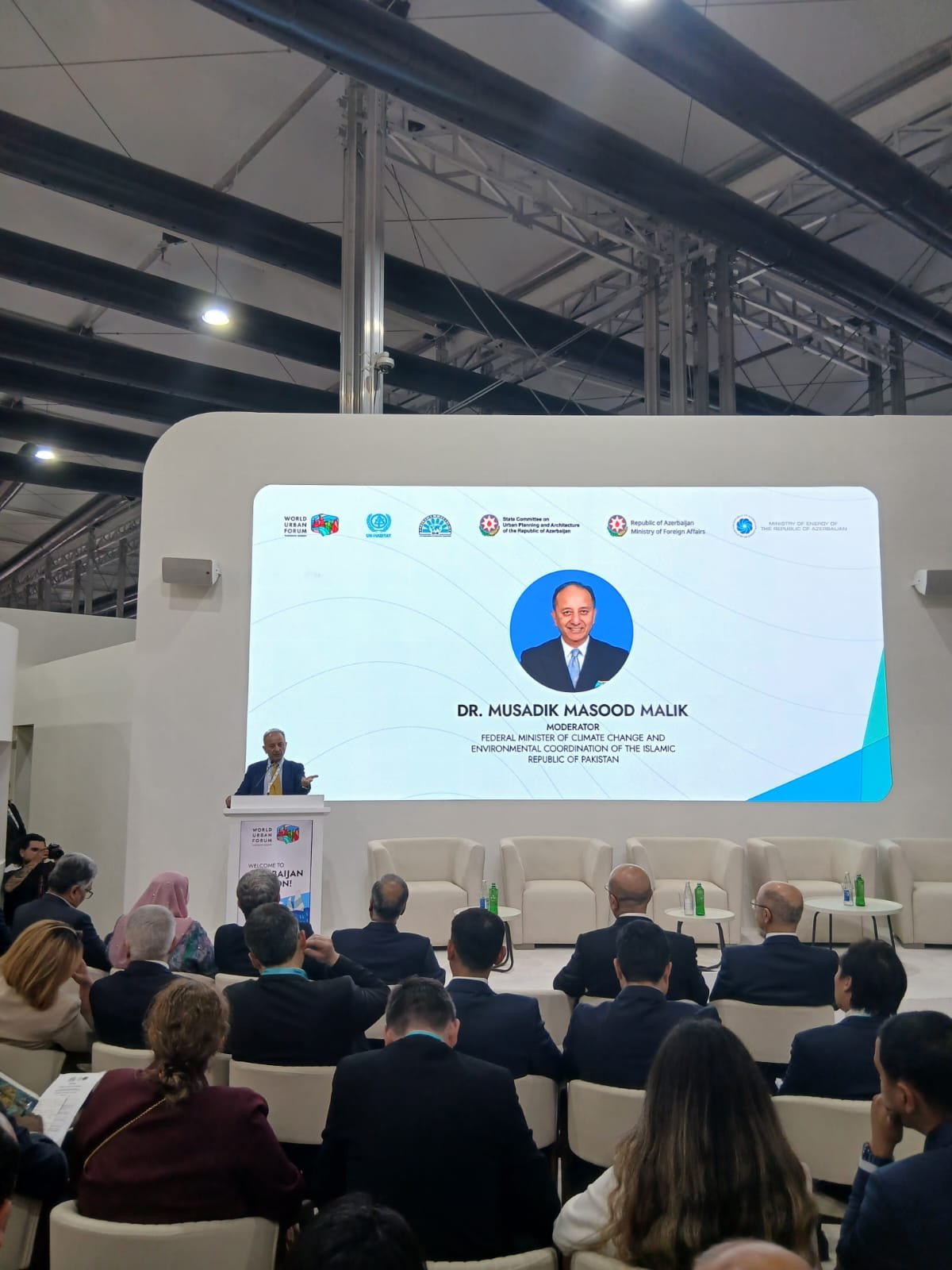
BAKU: Pakistan raised strong concerns over climate injustice, urban inequality, and the growing threat of climate-induced disasters during the Thirteenth Session of the World Urban Forum (WUF13) in Baku, Azerbaijan, where Federal Minister for Climate Change and Environmental Coordination Dr. Musadik Malik represented the country at the global conference.
The high-level forum, held under the theme “Housing the World: Safe and Resilient Cities and Communities,” brought together international policymakers, climate experts, and urban development leaders to discuss solutions for sustainable and resilient cities in the face of accelerating climate change.
During Pakistan’s National Ministerial Statement, Dr. Musadik Malik highlighted the widening challenges caused by climate change, poverty, urban inequality, and housing injustice, particularly affecting marginalized and vulnerable communities in developing countries.
The federal minister warned that climate disasters continue to erase years of economic progress for struggling families. He stated that while it can take generations for families to rise out of poverty, a single flood or natural disaster can force them back into deprivation and vulnerability.
Addressing a session titled “NDC 3.0: Urban Law and Multi-Level Governance to Enable Climate Commitments,” Dr. Musadik Malik stressed the importance of stronger urban governance systems, effective climate policies, and coordinated institutional mechanisms to improve resilience against future environmental crises.
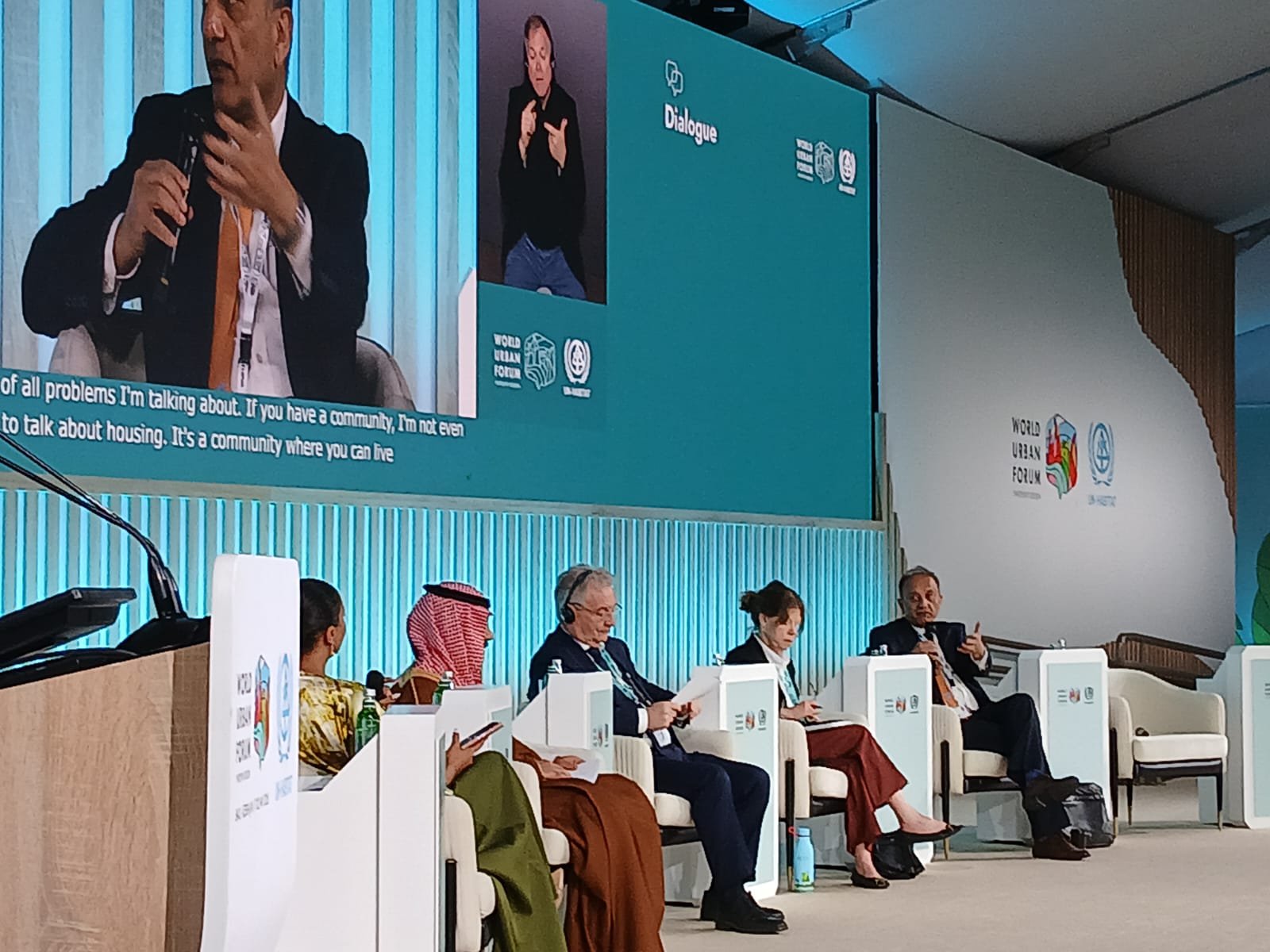
He also participated in a high-level dialogue on “The Climate-Housing Nexus: Can We Scale Climate Resilient Housing Without Deepening Inequality or Displacement?” where he emphasized that climate-resilient housing should be treated as an issue of justice rather than merely a welfare initiative.
Referring to Pakistan’s devastating flood experiences and other climate-induced disasters, the minister said vulnerable populations continue to suffer the most severe human and economic losses despite contributing minimally to global carbon emissions. He called on the international community to adopt collective and equitable climate action to protect at-risk communities.
Dr. Musadik Malik further emphasized that affordable housing must be recognized globally as a fundamental human right. He urged governments and international institutions to prioritize inclusive, resilient, and people-centered urban planning frameworks capable of safeguarding communities from future climate threats.
On the sidelines of the forum, the Pakistani minister also held a bilateral meeting with Parviz Shahbazov, Azerbaijan’s Minister of Energy. Both sides discussed energy cooperation, climate resilience, sustainable development initiatives, and opportunities to strengthen bilateral collaboration between Pakistan and Azerbaijan.
The World Urban Forum is considered one of the world’s leading international platforms focused on sustainable urban development and climate-resilient city planning, especially as countries face increasing pressure from environmental disasters and rapid urbanization.
About The Author