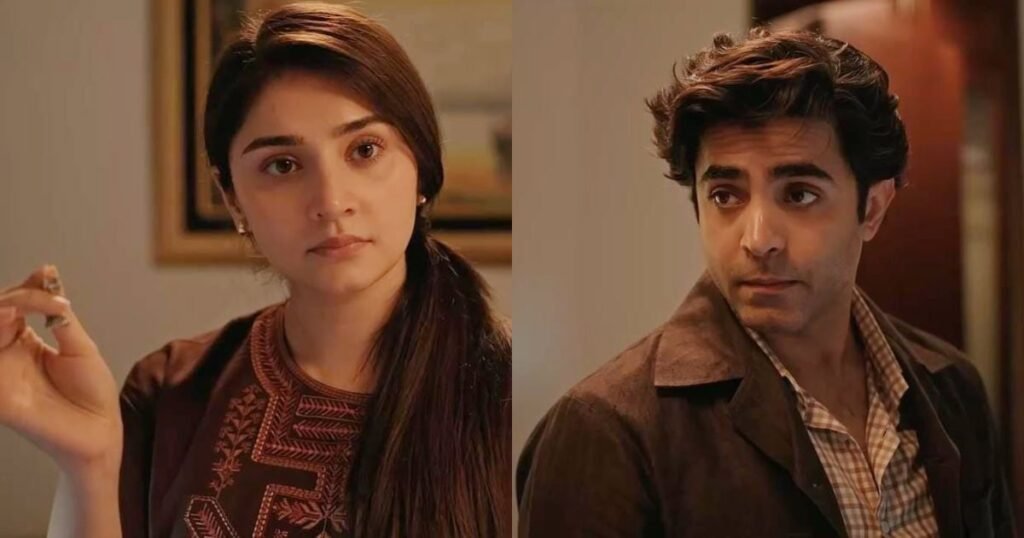
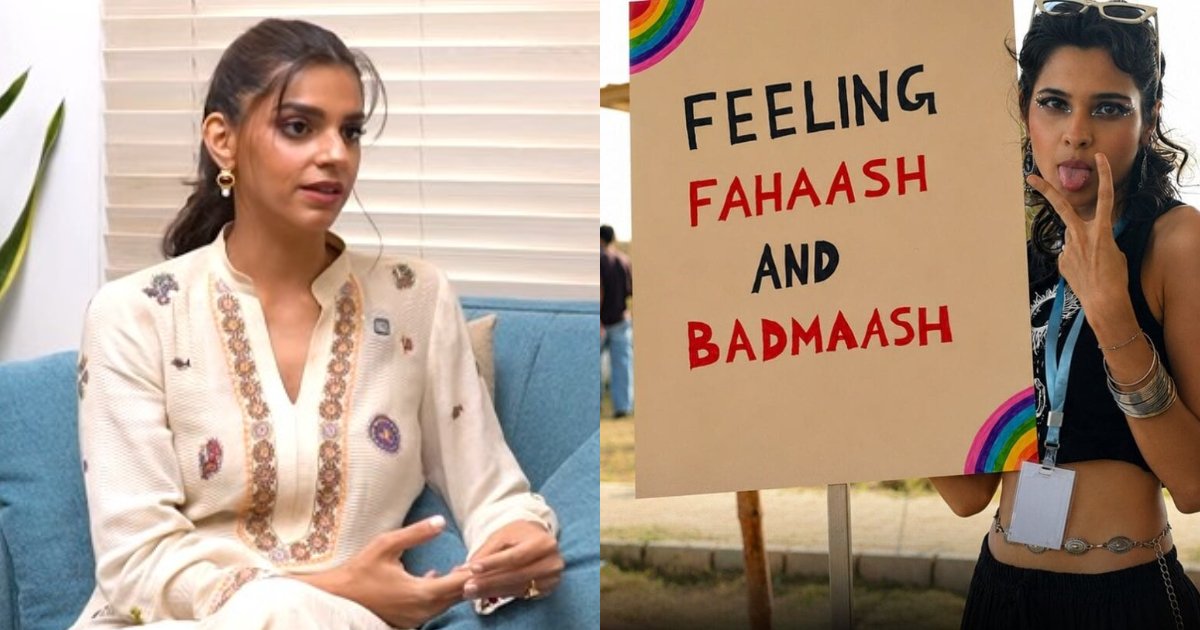

Pakistani actor Sanam Saeed has once again sparked an important conversation after sharing her views on women’s rights and workplace equality during a recent appearance on Something Haute. Known for her thoughtful opinions and graceful personality, the actor emphasized that women should demand their rights through dialogue and merit instead of relying on what she called the “Woman Card.”
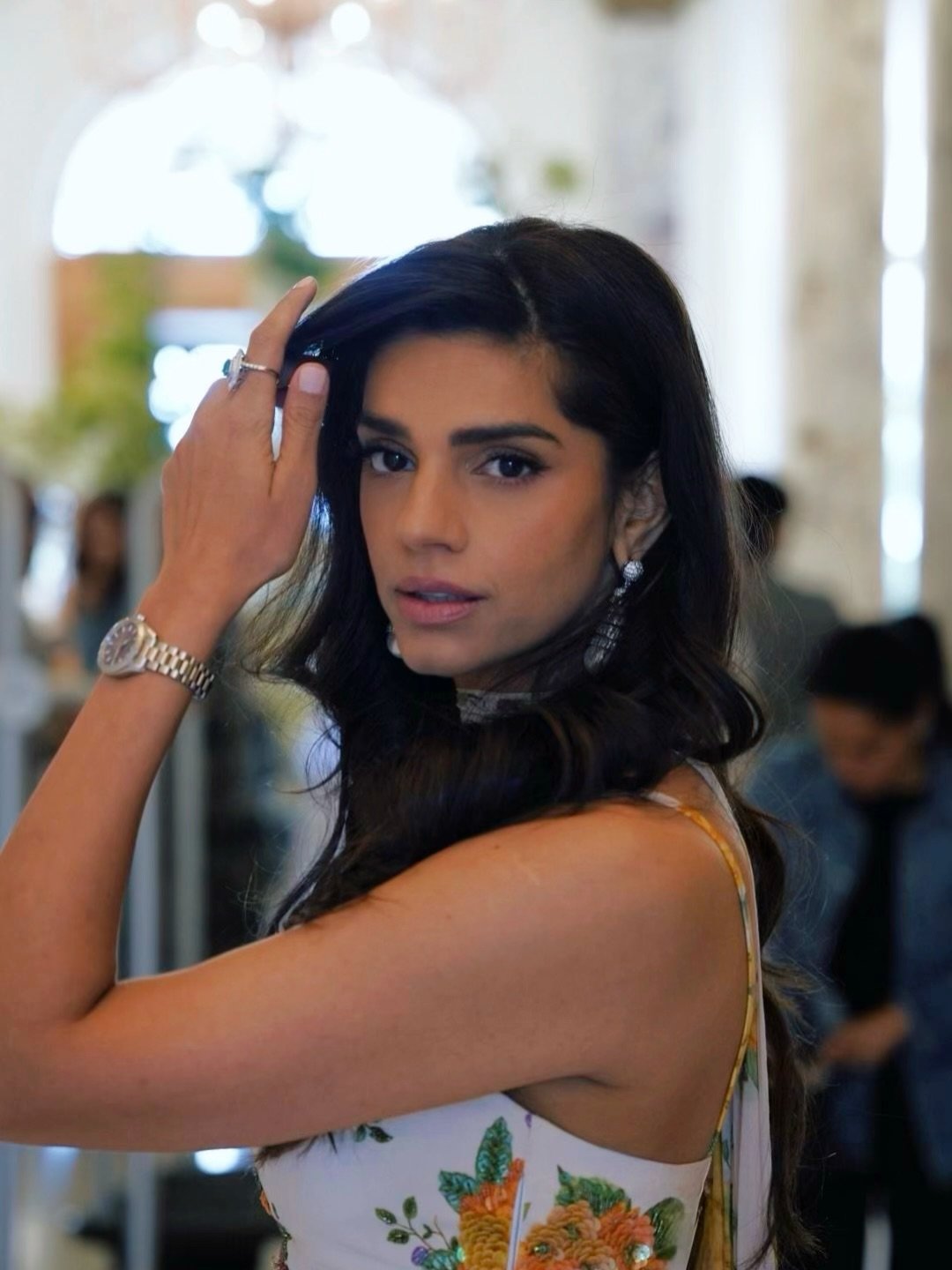
Sanam Saeed, regarded as one of Pakistan’s most respected television and film stars, said that communication remains the most effective tool for creating meaningful social change. While discussing workplace rights and gender equality, she explained that women should present their demands as basic human rights rather than seeking special treatment solely based on gender.
Her remarks quickly drew attention online, with many social media users praising her balanced perspective while others debated whether her comments undermine the struggles women continue to face in Pakistan.
The discussion comes at a time when women’s rights remain a deeply sensitive and widely debated issue in the country. Despite years of activism, many Pakistani women still face serious challenges, including lack of access to education, inheritance disputes, honor-based violence, workplace discrimination, and unequal pay.
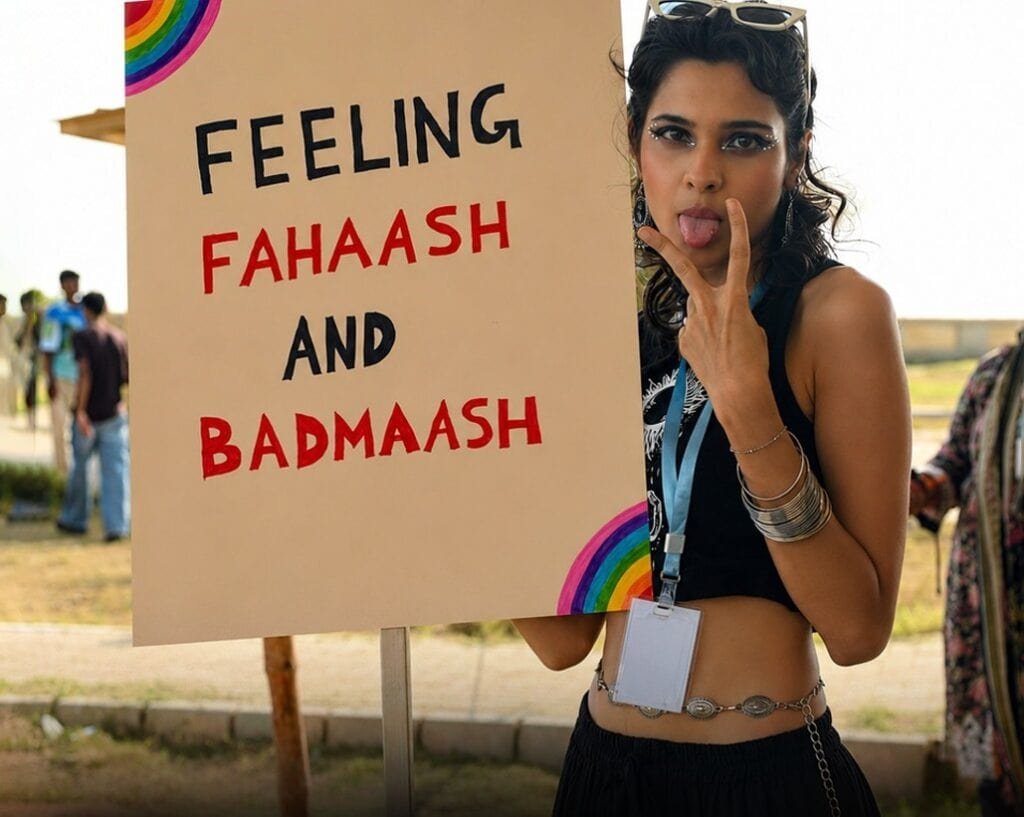
Over the years, movements like the Aurat March have attempted to highlight these issues and push for systemic reforms. However, public discourse surrounding such movements has often shifted toward controversies over slogans and placards instead of focusing on the core issues affecting women across society.
During the interview, Sanam Saeed stressed that achieving equality requires constructive engagement and long-term efforts. She encouraged women to advocate for their rights confidently but avoid framing every issue around gender alone. According to her, real empowerment comes when rights are recognized as universal and fundamental.
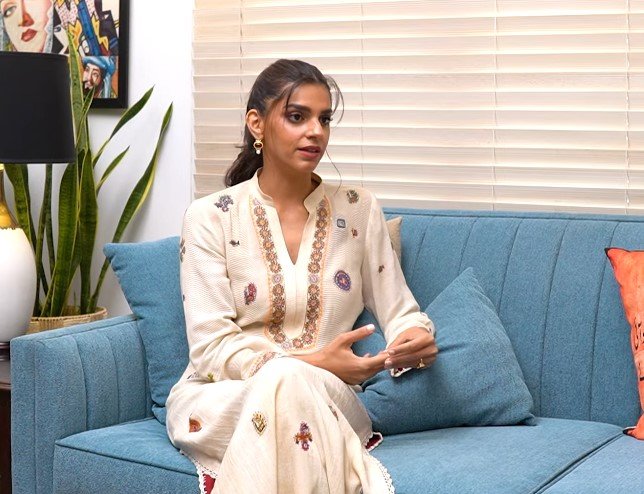
The actor has long been admired not only for her performances but also for speaking openly on social and cultural issues. Her latest comments have once again positioned her at the center of an important national debate about feminism, equality, and the future of women’s rights in Pakistan.
About The Author