

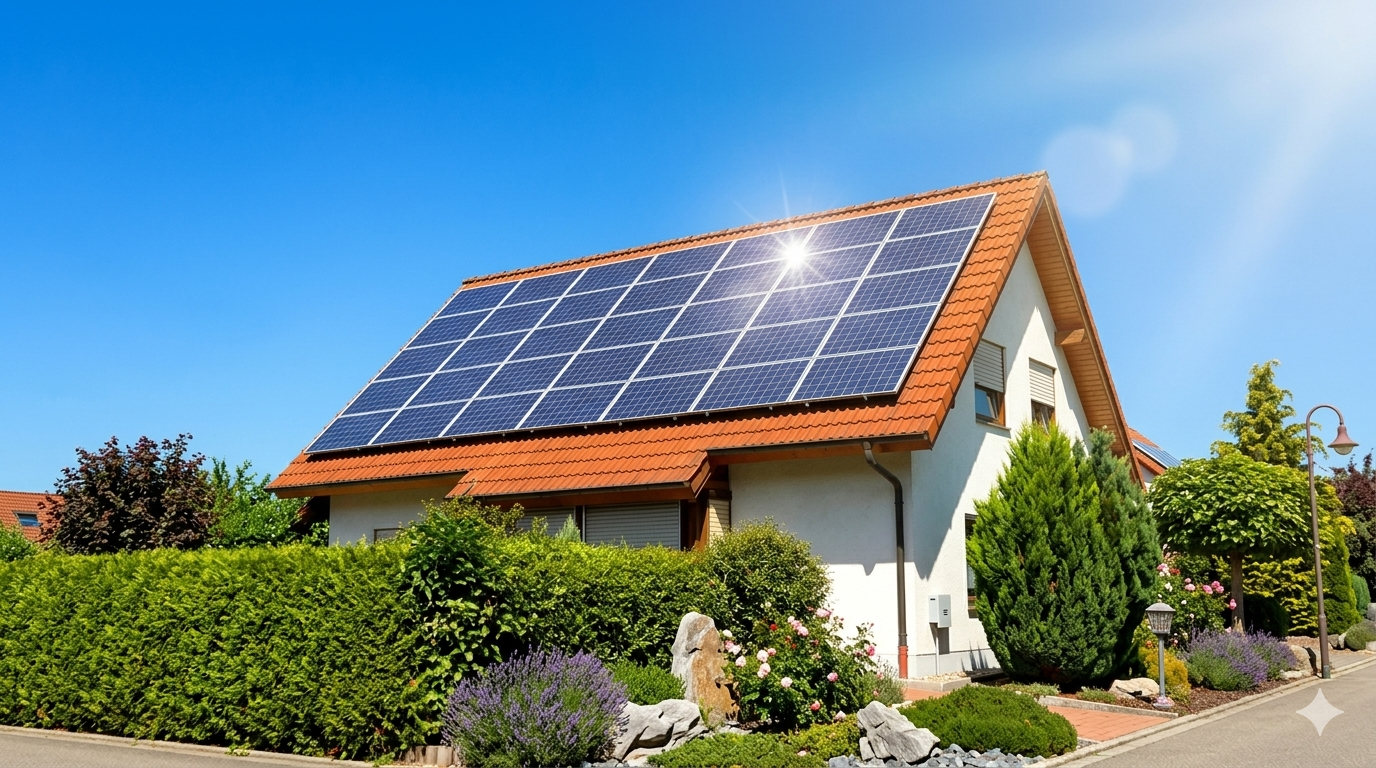

A sharp energy divide is emerging as solar power gains momentum across households and businesses, while the government continues to back coal-based power projects to meet rising electricity demand.
In recent years, solar energy has seen a rapid surge in popularity. Falling installation costs, coupled with rising electricity bills, have pushed families, schools, offices, and industries toward rooftop solar systems as a way to reduce dependence on the national grid.
Energy experts say this shift is being driven not only by affordability concerns but also by growing awareness of cleaner alternatives. Solar power is increasingly viewed as a long-term cost-saving solution, especially for consumers struggling with persistent tariff hikes.
Despite this momentum, officials maintain that coal remains essential for ensuring a stable and uninterrupted electricity supply. Unlike solar energy, coal-fired plants operate continuously regardless of weather conditions, making them a dependable base-load source.
Authorities argue that the country’s expanding industrial activity and population growth require consistent energy output that renewable systems alone cannot yet guarantee. They warn that relying solely on solar could risk shortages and instability in peak demand periods.
Supporters of coal-based projects also emphasize the current limitations of renewable infrastructure. Solar systems, while efficient during daylight hours, require backup solutions for nighttime usage and cloudy conditions, creating additional pressure on grid management.
However, environmental experts continue to raise serious concerns about coal’s long-term impact. They point to high carbon emissions, air pollution, and climate-related risks associated with fossil fuel dependency, urging a faster transition toward cleaner energy sources.
Critics argue that wind, solar, and hydropower should be prioritized more aggressively, noting that global trends are already shifting away from coal as renewable technologies become cheaper and more efficient each year.
Around the world, many governments are accelerating investments in green energy to reduce emissions and meet climate targets. Yet for developing economies, the transition remains complex due to rising electricity demand and limited infrastructure capacity.
For ordinary consumers, the issue is less ideological and more practical: affordable and reliable electricity. While solar adoption continues to grow, millions still depend entirely on the national grid for daily power needs.
The ongoing debate highlights a critical policy challenge—balancing economic growth, energy security, and environmental sustainability. Experts suggest that a gradual, mixed-energy approach may be the most realistic path forward, combining renewable expansion with controlled use of traditional fuel sources.
As pressure mounts on policymakers, the direction of the country’s energy future remains uncertain, shaped by competing demands for affordability, stability, and environmental responsibility.
About The Author