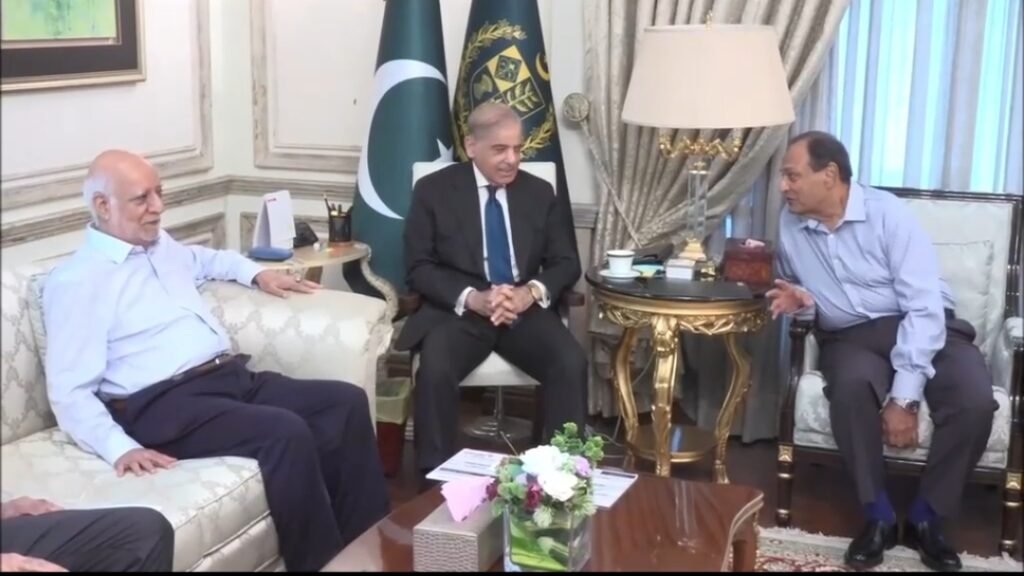


Prime Minister Shehbaz Sharif has expressed optimism that Pakistan may soon host a second round of peace negotiations between the United States and Iran, raising expectations of a possible diplomatic breakthrough amid weeks of escalating tensions in the Middle East.
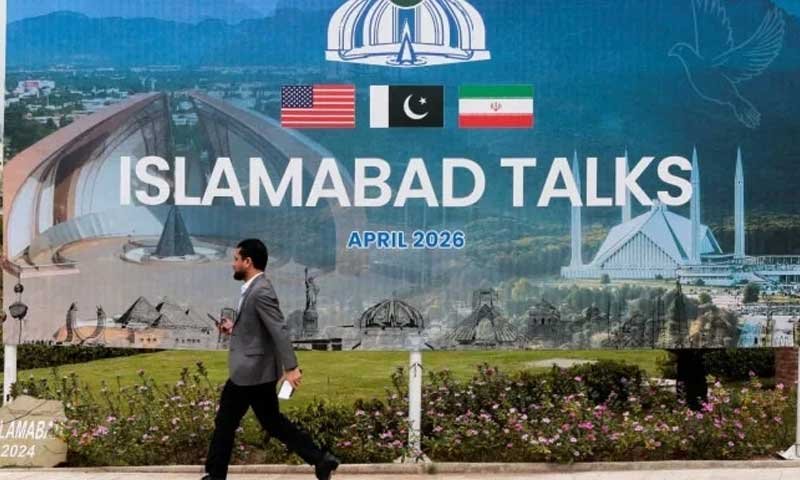
Speaking during his ongoing four-day official visit to China, the premier indicated that Islamabad is prepared to once again facilitate dialogue between Washington and Tehran under what observers are informally calling “Islamabad Talks 2.0”.
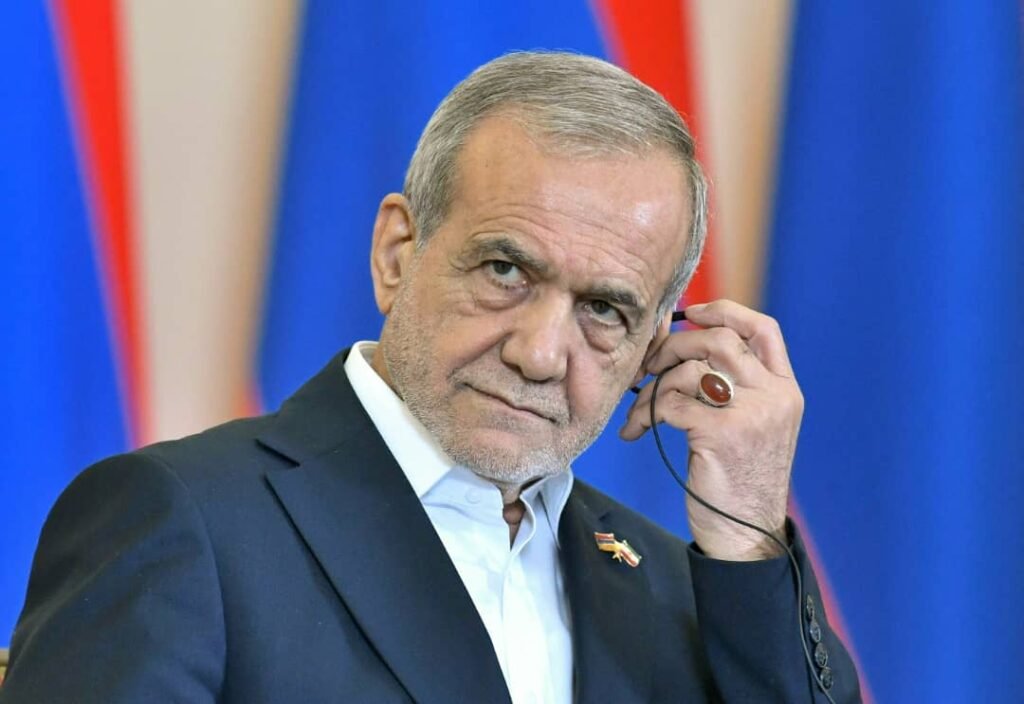
The development comes after Pakistan previously hosted indirect negotiations in April involving senior international figures, including US Vice President JD Vance, Iranian Parliament Speaker Mohammad Bagher Ghalibaf, and Iranian Foreign Minister Abbas Araghchi.
Despite the Prime Minister’s optimistic tone, officials within the Pakistani government have signaled that preparations for the proposed talks are still at an early stage. Senior officials from the Prime Minister’s Office said formal arrangements would likely be synchronised after Shehbaz Sharif returns from China, although no official dates have yet been finalised.
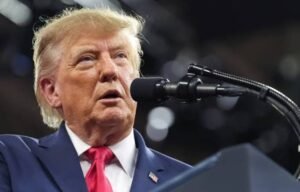
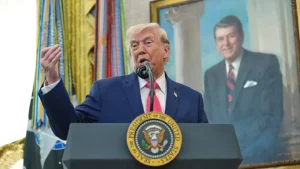
The diplomatic momentum surrounding the proposed talks has also been strengthened by recent high-level international engagement. A multilateral telephone conference reportedly initiated by US President Donald Trump included leaders from Saudi Arabia, Qatar, Türkiye, Egypt, United Arab Emirates, Bahrain, Jordan and Pakistan to discuss a draft Memorandum of Understanding aimed at reducing regional tensions.
Pakistan was represented during the high-level discussions by Chief of Army Staff Syed Asim Munir, whose diplomatic engagement was publicly appreciated by both Prime Minister Shehbaz Sharif and President Donald Trump.
Deputy Prime Minister and Foreign Minister Ishaq Dar also welcomed the continued involvement of international stakeholders and the United Nations, stressing that diplomacy and dialogue remain the only sustainable path toward regional stability.
Analysts believe that if the proposed talks materialise, Pakistan’s role as a regional mediator could gain renewed international attention at a time when tensions across the Middle East continue to threaten broader geopolitical stability.
About The Author