

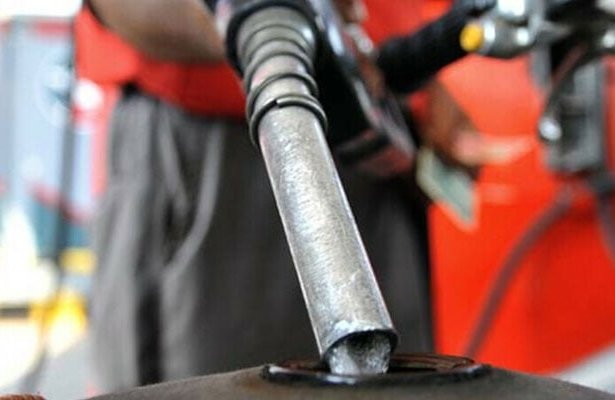

Despite three rounds of reductions, fuel prices remain significantly higher than they were five weeks ago, keeping pressure on households and businesses.
ISLAMABAD: Recent reductions in petroleum prices have provided some relief to consumers, but the benefits remain limited as petrol and high-speed diesel continue to cost considerably more than they did just over a month ago. The latest cuts have failed to fully reverse earlier increases, leaving households, transporters, and businesses struggling with elevated fuel costs.
Official figures show that the government revised fuel prices six times during the last 36 days, including three increases and three decreases. While the downward adjustments offered some respite, they were not enough to offset the substantial hikes imposed earlier in the period.
According to available data, the price of high-speed diesel rose by a cumulative Rs.61.16 per litre through successive increases. Subsequent reductions totaling Rs.33.80 per litre lowered the price somewhat, but diesel still remains Rs.27.36 per litre higher than its level five weeks ago.
The continued rise in diesel costs is having a widespread economic impact. High-speed diesel is a critical fuel for Pakistan’s transportation sector, agricultural machinery, and industrial operations. Higher fuel expenses have increased operational costs for businesses and farmers, with the added burden often passed on to consumers through higher prices of goods and services.
Many consumers argue that the relief from recent fuel price cuts has been diluted by the continued imposition of a substantial petroleum levy. Critics maintain that a significant portion of the potential benefit from lower international oil prices has been absorbed through taxes and levies rather than being fully transferred to the public.
Economic experts note that frequent fuel price adjustments are largely influenced by fluctuations in global crude oil markets. However, they emphasize that domestic taxation policies, exchange rate movements, and government levies remain key factors in determining the final retail prices paid by consumers.
With diesel and petrol prices still above their late-April levels, concerns persist about the broader impact on inflation. Higher transportation and production costs are expected to continue affecting the prices of essential commodities, creating additional financial pressure for households and businesses in the weeks ahead.
About The Author