
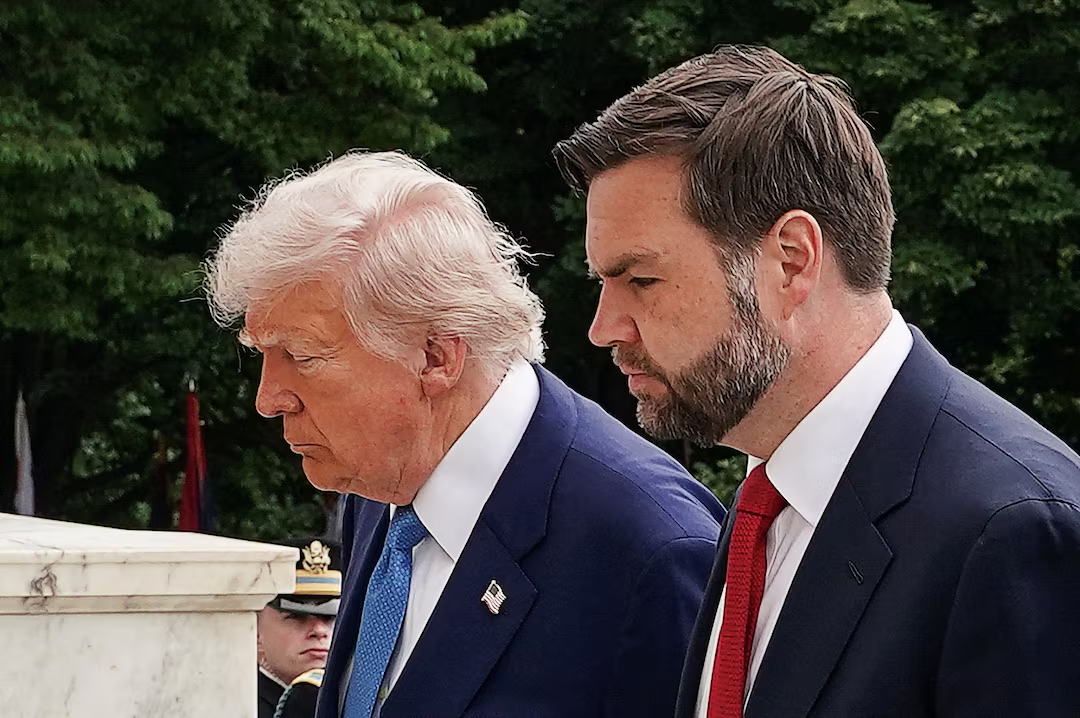

Despite being one of the Republican Party’s most influential figures, JD Vance’s path to the 2028 presidential race may not be as certain as many supporters believe.
WASHINGTON: As attention gradually shifts toward the 2028 U.S. presidential election, Vice President JD Vance has emerged as one of the leading names in discussions about the future of the Republican Party. Widely viewed as a rising conservative figure, Vance has built a strong political profile and gained significant support among Republican voters.
However, recent reports suggest that President Donald Trump may still be evaluating whether Vance is the right person to carry forward his political movement after his own time in national leadership.
According to reports, Trump has privately discussed Vance’s future with advisers and political allies, raising questions about whether the vice president possesses the leadership qualities needed to unite Republicans and successfully compete in a future presidential election. While the two leaders continue to present a united front publicly, the reported conversations indicate that Trump is carefully considering the long-term direction of the party.
The issue is particularly significant because Trump remains the most influential figure in Republican politics. Political observers note that any endorsement from Trump could play a decisive role in shaping the party’s next generation of leadership.
Vance’s supporters argue that he represents a natural successor. Since entering national politics, he has developed a strong connection with conservative voters and positioned himself as a prominent voice on economic, cultural, and foreign policy issues. Many Republicans believe he has the ability to appeal to working-class voters while maintaining support from the party’s core base.
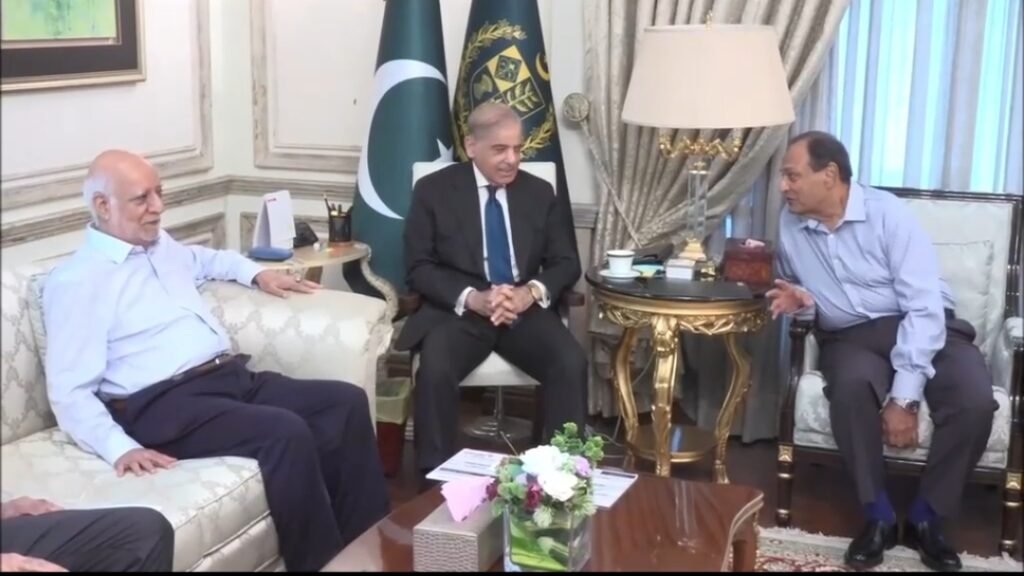
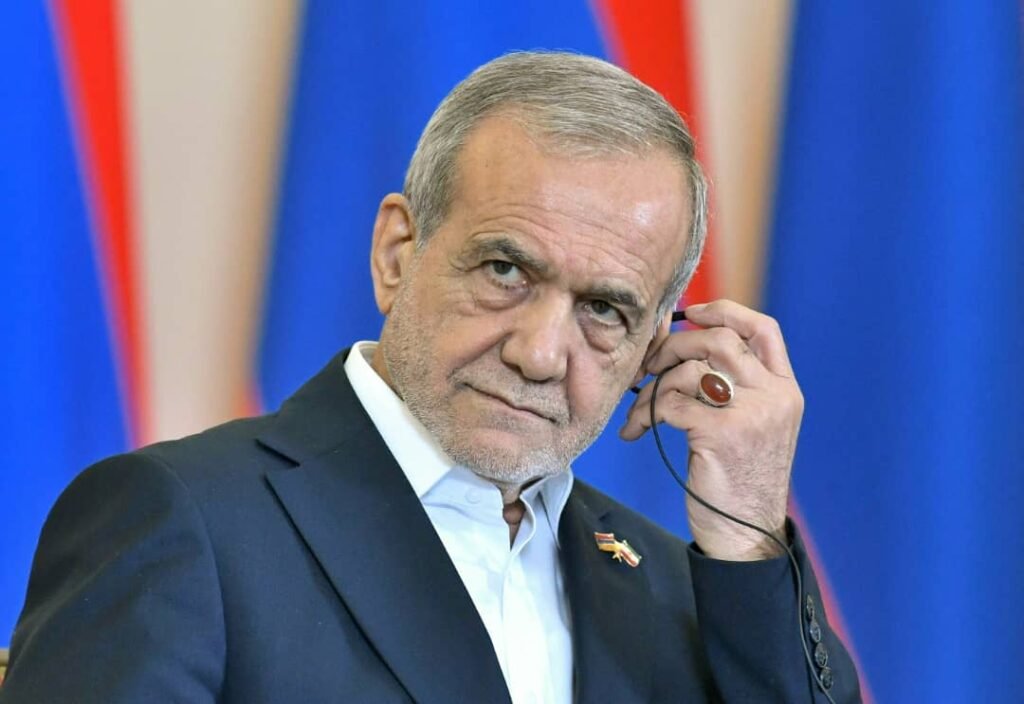
Nevertheless, reports suggest that some policy disagreements may have contributed to Trump’s reported hesitation. One issue reportedly involved a diplomatic mission led by Vance to Pakistan, where expectations and outcomes may not have fully aligned. Another reported area of disagreement concerned policy toward Iran, with Vance initially expressing reservations about military action before broader discussions within Republican circles evolved.
Political analysts note that differences in policy views are common within major political parties and do not necessarily prevent future alliances. However, such disagreements can influence perceptions of leadership and decision-making during discussions about succession.
At the same time, other Republican figures continue to attract attention as potential future leaders. Among them is Marco Rubio, whose name has frequently appeared in discussions about the party’s long-term direction. The continued mention of alternative contenders suggests that no clear consensus has yet emerged regarding the Republican Party’s 2028 standard-bearer.
Experts caution that it remains far too early to predict the outcome of the next presidential race. Economic conditions, international developments, voter priorities, and political momentum can all dramatically reshape the landscape over the next two years.
For now, JD Vance remains one of the strongest and most visible figures in Republican politics. Yet reports indicating that Trump is still weighing his options underscore the uncertainty surrounding the party’s future leadership and the increasingly competitive conversation about who will ultimately lead Republicans into the 2028 election.
About The Author