

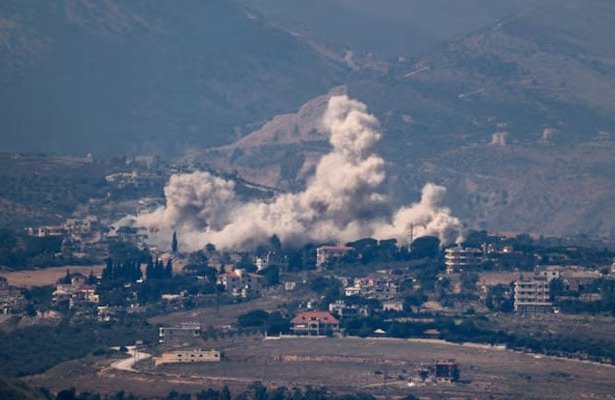

Washington-backed understanding aims to ease border tensions, strengthen security measures, and pave the way for broader regional stability.
Israel and Lebanon have agreed to a new ceasefire framework following U.S.-mediated negotiations in Washington, offering fresh hope for reducing tensions along one of the Middle East’s most volatile frontiers.
The understanding was announced in a joint statement after diplomatic talks involving representatives from both countries. According to the U.S. State Department, the framework is designed to lower the risk of renewed conflict, promote stability, and create conditions for further political and security discussions.
Under the proposed arrangement, both sides have committed to maintaining diplomatic engagement and continuing negotiations aimed at reaching a broader and more durable security agreement. Officials confirmed that follow-up discussions are scheduled for June 22 to address remaining concerns and finalize key aspects of the framework.
A central component of the agreement involves commitments related to Hezbollah’s military activities near the border. The framework calls for a halt to attacks against Israel and the withdrawal of Hezbollah forces from the southern Litani sector, a region that has frequently been at the center of cross-border tensions.
The agreement also proposes the establishment of designated pilot zones that will be administered by the Lebanese Armed Forces. These areas are expected to remain free of non-state armed groups, a move intended to enhance security, reduce the likelihood of confrontations, and strengthen state control in sensitive border regions.
Both Israel and Lebanon reiterated their commitment to avoiding hostile actions and expressed support for additional confidence-building measures that could eventually lead to a comprehensive and lasting peace arrangement.
The ceasefire framework comes amid ongoing international efforts to prevent further instability in the Middle East. Regional and global stakeholders have repeatedly urged restraint following months of heightened tensions and security concerns along the Israel-Lebanon border.
While significant challenges remain before a permanent settlement can be achieved, the latest agreement represents an important diplomatic breakthrough and underscores the role of international mediation in reducing the risk of wider conflict.
About The Author