

Brent crude surged above $96 per barrel after renewed Middle East tensions raised concerns over global oil supplies, reigniting fears of prolonged disruptions across key energy routes.
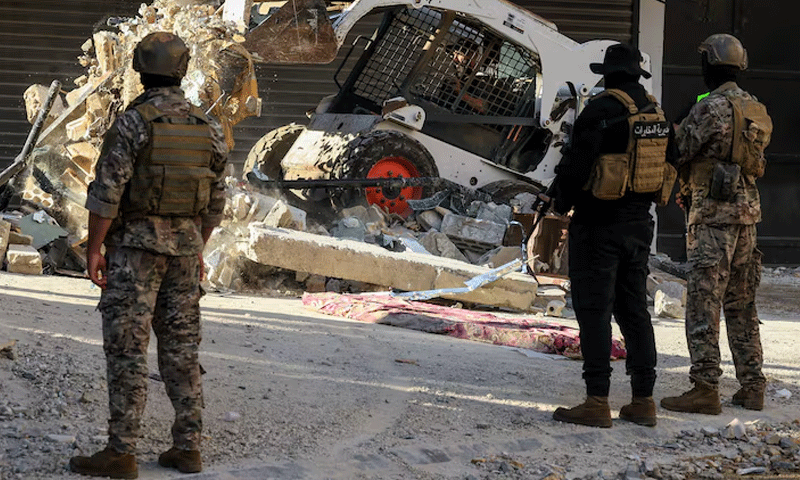
WEB DESK: Global oil markets opened the week with sharp gains as escalating tensions in the Middle East fueled fresh concerns about energy supply disruptions. Investors rushed to price in geopolitical risks after Israeli strikes on Lebanon and reports of explosions in several Iranian cities heightened uncertainty across the region.
Brent crude futures climbed $3.20, or 3.39%, to reach $96.24 per barrel during early Asian trading. Meanwhile, U.S. West Texas Intermediate (WTI) crude rose $2.87, or 3.17%, to $93.41 per barrel. The rally erased losses recorded on Friday, when optimism surrounding possible diplomatic progress had briefly weighed on prices.
Energy markets have remained under pressure for months as regional instability threatens vital supply routes. Since March, oil prices have risen by more than 50%, driven largely by concerns surrounding the Strait of Hormuz, a strategic passage that handles a significant share of the world’s crude exports.
The latest market reaction followed renewed Israeli military action in Lebanon and reports of explosions in Tehran, Tabriz, and Isfahan. The developments came a day after Iran reportedly launched missiles toward Israeli targets, further complicating efforts to achieve a lasting ceasefire.
Despite the rising tensions, U.S. President Donald Trump expressed optimism that a negotiated settlement remains possible. However, diplomatic efforts continue to face obstacles as Iran maintains that a ceasefire involving Lebanon is essential before broader peace agreements can move forward.
In an attempt to ease supply concerns, OPEC+ approved its fourth production increase in four months. Analysts cautioned, however, that additional output may have only a limited impact due to ongoing logistical challenges, infrastructure disruptions, and continued constraints affecting major producers.
About The Author