

Global crude prices declined as optimism over renewed US-Iran negotiations eased supply concerns, although risks to Middle East shipping routes continue to keep energy markets on edge.
Global oil prices fell on Tuesday after signs of progress in diplomatic talks between the United States and Iran eased concerns over potential disruptions to Middle East energy supplies.
Brent crude futures declined 54 cents, or 0.6%, to $87.82 per barrel, while US West Texas Intermediate (WTI) crude fell 66 cents, or 0.8%, to $81.95 per barrel. Both benchmarks had earlier dropped about 1%, reaching their lowest levels in more than a week.
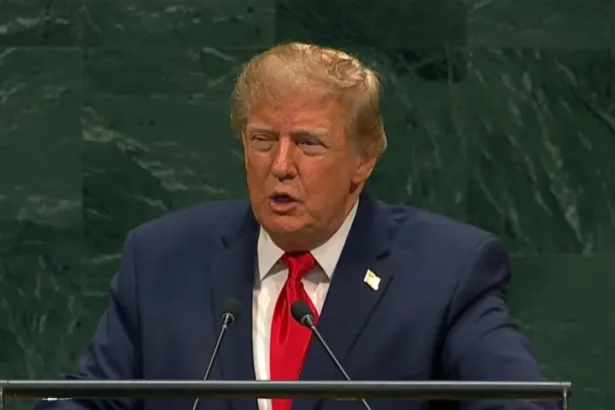
The decline followed comments by US President Donald Trump, who said Washington was holding constructive discussions with Iran and suggested that a diplomatic settlement remained possible. However, he also cautioned that military strikes could resume if negotiations collapse, while Iran has warned it would respond to any further attacks.
The prospect of a diplomatic breakthrough has temporarily eased fears of supply disruptions from one of the world’s most important oil-producing regions. Nevertheless, analysts say the market remains highly sensitive to developments, with any setback in negotiations capable of triggering another sharp rise in crude prices.
Investors are also monitoring security risks around key maritime trade routes. Concerns remain over potential attacks by Yemen’s Houthi movement, which has threatened shipping through the Bab el-Mandeb Strait, a critical corridor for global energy transportation. Shipping activity across the Red Sea has already slowed significantly, adding to market uncertainty.
Attention also remains focused on the Strait of Hormuz, through which a substantial share of the world’s oil exports passes. Recent data showed oil and refined product exports through the strait dropped to an average of 2.9 million barrels per day in the week ending July 24, down from nearly 5.9 million barrels per day a week earlier.
Despite ongoing geopolitical risks, weaker global demand particularly in Asia has limited upward pressure on oil prices. Traders are also awaiting US inventory data, with market expectations pointing to another decline in crude and gasoline stockpiles, while distillate inventories are projected to increase.
Markets are expected to remain volatile as investors closely watch the outcome of US-Iran negotiations, which could significantly influence global energy prices and supply expectations in the coming weeks.
About The Author