

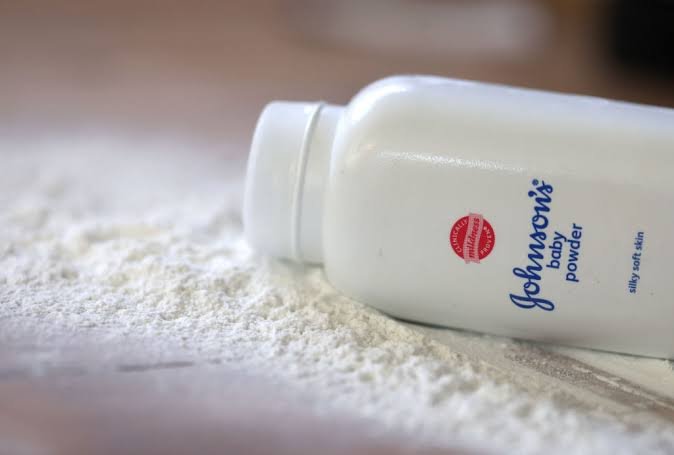

The proposed agreement covers approximately 76,000 ovarian cancer claims, but it will only take effect if 95% of eligible claimants approve the settlement.
Johnson & Johnson has agreed to pay an estimated $5.5 billion to resolve tens of thousands of lawsuits alleging that its talc-based baby powder and other talc products caused ovarian cancer. The proposed settlement could bring an end to one of the largest and longest-running product liability cases in the United States.
The agreement covers approximately 76,000 existing ovarian cancer claims filed in federal and state courts. However, the settlement will only become legally effective if 95% of eligible claimants vote in favor of the deal.
Plaintiffs’ attorneys described the proposed agreement as a fair and practical resolution after nearly a decade of litigation. Johnson & Johnson, however, continues to deny that its talc products caused cancer or contained asbestos, maintaining that scientific evidence supports the safety of its products. The company said the settlement is intended to eliminate years of costly legal disputes rather than acknowledge wrongdoing.
Under the proposed terms, Johnson & Johnson expects to pay around $3 billion in 2027, with additional payments scheduled for 2028. Attorneys involved in the negotiations said the total payout could eventually exceed $7 billion, depending on the number of qualifying claimants. Compensation will be determined using specific eligibility criteria, and the agreement does not set a maximum payment limit.
The settlement follows several courtroom victories for Johnson & Johnson, including favorable rulings that questioned whether plaintiffs could prove talc specifically caused ovarian cancer. The company also successfully challenged expert testimony presented in some cases.
Johnson & Johnson stopped selling its talc-based baby powder in the United States in 2020, replacing it with a cornstarch-based version. Earlier attempts to resolve the litigation through the controversial “Texas two-step” bankruptcy strategy failed after courts dismissed related bankruptcy filings.
Unlike previous proposals, the new settlement applies only to existing ovarian cancer claims and excludes future lawsuits. If approved, lawyers expect eligible claimants to receive compensation within approximately 18 months, significantly reducing one of the company’s most significant legal liabilities.
About The Author