

Industrialists warn that a prolonged goods transport strike could disrupt production, delay exports, raise business costs and weaken supply chains across Pakistan.
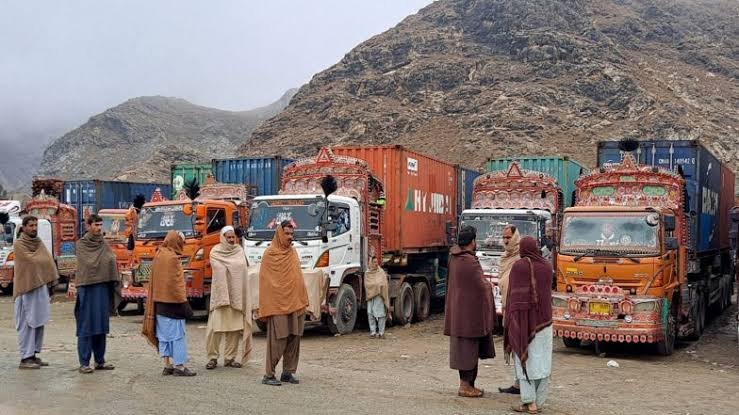
KARACHI: Pakistan’s industrial sector is facing a fresh supply-chain threat as a nationwide strike by goods transporters raises fears of production disruptions, delayed exports and mounting costs for businesses already operating under difficult economic conditions.
Industrialists say the continued suspension of freight services could prevent factories from receiving essential raw materials and intermediate goods on time. If the disruption persists, manufacturers may be forced to reduce production or temporarily halt operations.
The impact could also extend to finished goods. Delays in transporting products to domestic markets and ports may disrupt distribution networks and create difficulties for export-oriented industries working against strict delivery deadlines.
President of the SITE Association of Industry (SAI) Abdul Rehman Fudda described the situation as critical for the manufacturing sector, stressing that uninterrupted production depends heavily on a reliable logistics system.
Fudda said factories require a steady flow of raw materials while finished products must reach customers and export destinations according to schedule. A prolonged freight disruption could therefore affect production planning, increase operating expenses and create bottlenecks across multiple industries.
He warned that the consequences would not be limited to manufacturers. Workers, suppliers, exporters, retailers and other businesses connected to the industrial supply chain could also face financial pressure if cargo movement remains suspended.
Pakistan’s exporters are particularly vulnerable because they are already dealing with high production costs and other economic challenges. Delays in shipments could expose businesses to penalties, compensation claims or demands for price reductions from international buyers.
Fudda also cautioned that repeated failures to meet delivery commitments could damage the confidence of foreign customers and make it harder for Pakistani companies to retain existing contracts or secure new export orders.
Industrialists have urged the government and representatives of goods transporters to resolve the dispute through negotiations and restore freight services as quickly as possible.
They stressed that a stable logistics network is essential not only for keeping factories operational but also for protecting employment, meeting export commitments, supporting government revenue and sustaining broader economic activity.
About The Author