

Transporters warn of prolonged disruption as diesel prices, toll taxes and operating costs remain key points of disagreement
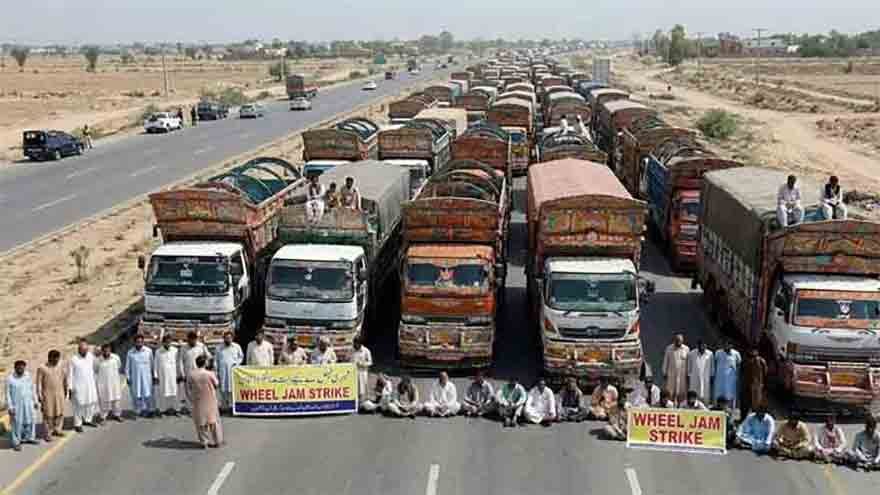
The nationwide strike by goods transporters has entered its sixth consecutive day after talks with the federal and provincial governments failed to resolve the sector’s key demands, raising concerns about further disruption to supply chains and essential commodity prices.
All Pakistan Goods Transporters Association President Nabil Mahmood Tariq said negotiations had reached a deadlock and warned that the strike would continue indefinitely unless the government addressed the transport sector’s concerns.
Speaking to Geo News by telephone, Tariq attributed the failure of talks to what he described as the government’s rigid position. He said transporters were particularly concerned about frequent changes in diesel prices, which have made it difficult for operators to predict costs and manage their businesses.
Transporters have also demanded a reduction in toll taxes or a guarantee that existing toll rates will not be increased for at least one year. They argue that rising fuel, toll and other operating expenses are putting growing financial pressure on the industry.
According to Tariq, the government offered limited concessions on customs-related issues and axle-load restrictions, but the proposals were not enough to end the strike.
The disruption is already affecting the movement of goods in several parts of the country. Delays in transporting fruits, vegetables and other essential commodities have raised concerns about shortages and higher prices.
In Balochistan, supply disruptions have reportedly pushed up prices of several food items. In Quetta, chicken prices have risen from about Rs500 to Rs550 per kilogram, according to the information provided by transport representatives.
Authorities and traders in Karachi are attempting to maintain vegetable supplies through smaller vehicles. However, transporters have warned that these alternative arrangements may not be sufficient to meet normal demand if the strike continues.
The prolonged shutdown could also affect traders, manufacturers and businesses dependent on road freight for the movement of raw materials and finished goods. A longer standoff could place additional pressure on supply chains and increase the cost of essential commodities.
About The Author