

New amendments introduce QR-enabled cards, lifetime validity for senior citizens, and stronger digital enforcement measures
ISLAMABAD: The government has amended the National Identity Card Rules, 2002, and the Pakistan Origin Card Rules, 2002, introducing sweeping modernisation measures to strengthen digital verification and biometric security.
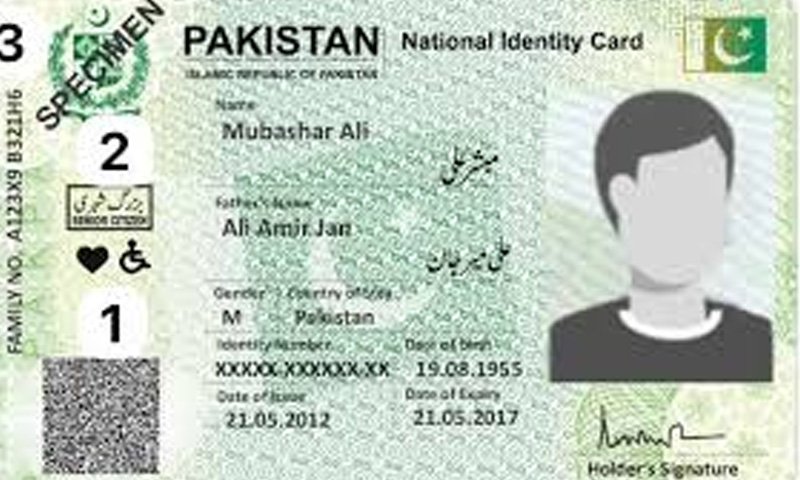
In a statement, the National Database and Registration Authority (NADRA) said the most significant reform is the formal recognition of QR codes as a legal identity verification feature. The machine-readable codes will enable fast, secure authentication for both online and offline services.
The updated rules allow NADRA to adopt emerging technologies, including QR-based systems that may replace existing microchip-based cards. The move establishes a unified framework, phasing out the parallel circulation of chip and non-chip identity cards while improving interoperability through the National Data Exchange Layer.
Authorities said QR-enabled cards will help frontline service providers instantly validate identity attributes, while backend systems confirm authenticity, reducing fraud and enhancing transparency across public and regulated sectors.
The amendments also strengthen enforcement by ensuring that suspension of an ID card immediately halts all linked verification services. Biometric upgrades now explicitly recognize fingerprints and iris scans, creating a multi-modal authentication system.
A separate lifetime-valid card has been introduced for citizens aged 60 and above. Additionally, ID cards for residents of Azad Jammu and Kashmir will now carry a standardized designation.
Officials said the reforms mark a major step toward a more integrated and secure Digital ID ecosystem in Pakistan.
About The Author